
The Ocean is Changing Color and Researchers are Worried

Scientists at MIT, the National Oceanography Center in the U.K., and other organizations have been studying the color of the ocean over the past 20 years and have noticed a significant change in color. The cause of the color change is worrisome and has dangerous implications for the future of our oceans.
Two Decades of Study

Over the past two decades, researchers have noticed a significant color change in our planet’s oceans. Particularly, the tropical regions closer to the equator have become greener over time, while the ocean regions near the poles are bluer.
An Expansive Study
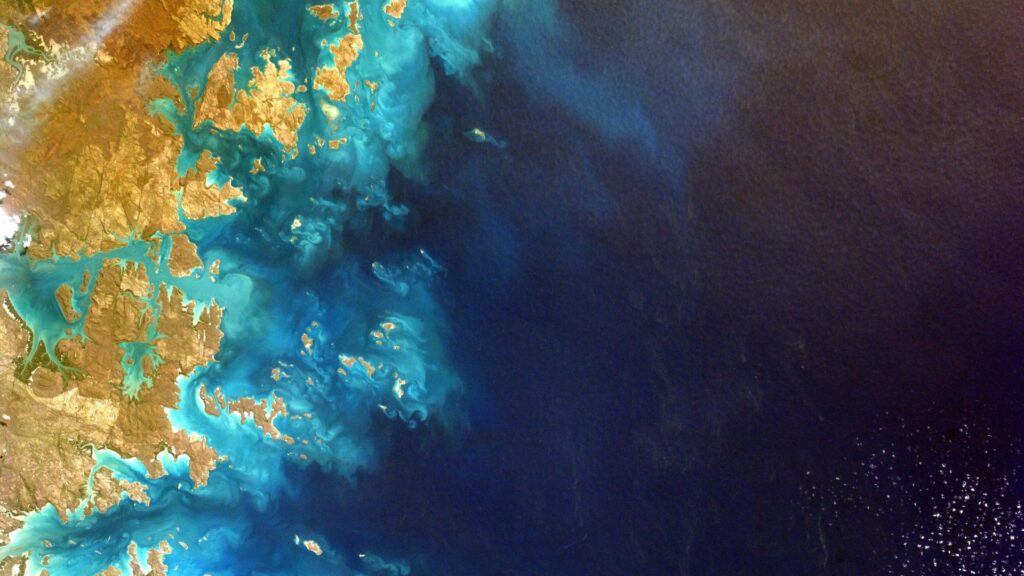
Based on satellite data, the researchers have found that this color shift is happening in more than 56% of the planet’s oceans. That is an area larger than all the land on Earth. And while some slight color variation can naturally occur year-over-year, the distinct and gradual change in color over the two decades shows a deeply worrisome pattern
Color is a Reflection of the Ecosystems

The color of the ocean is a reflection of the ecosystems of organisms that live within it. Thus, the researchers ascertained that major shifts are happening beneath the ocean’s surface for color changes of this magnitude to occur.
The Cause of the Color Shift

Unfortunately, there is a clear culprit for the color shifts: climate change. Stephanie Dutkiewicz, senior researcher at MIT explained, “To actually see it happening for real is not surprising, but frightening. And these changes are consistent with man-induced changes to our climate”.
Human Activity’s Impact on Earth

The researchers are particularly worried about how drastic human activity’s impact on Earth and climate change really is. The warming of the ocean has various impacts on its ecosystems. Perhaps most important is its impact on phytoplankton, which are the very basis of the food chain in the ocean.
Phytoplankton are Vital to the Ocean’s Ecosystem

When phytoplankton ecosystems are thriving, they absorb light and produce a green pigment, chlorophyll, making the ocean color more green. Whereas if they are absent, the ocean’s color will be bluer.
The Impact on the Ocean
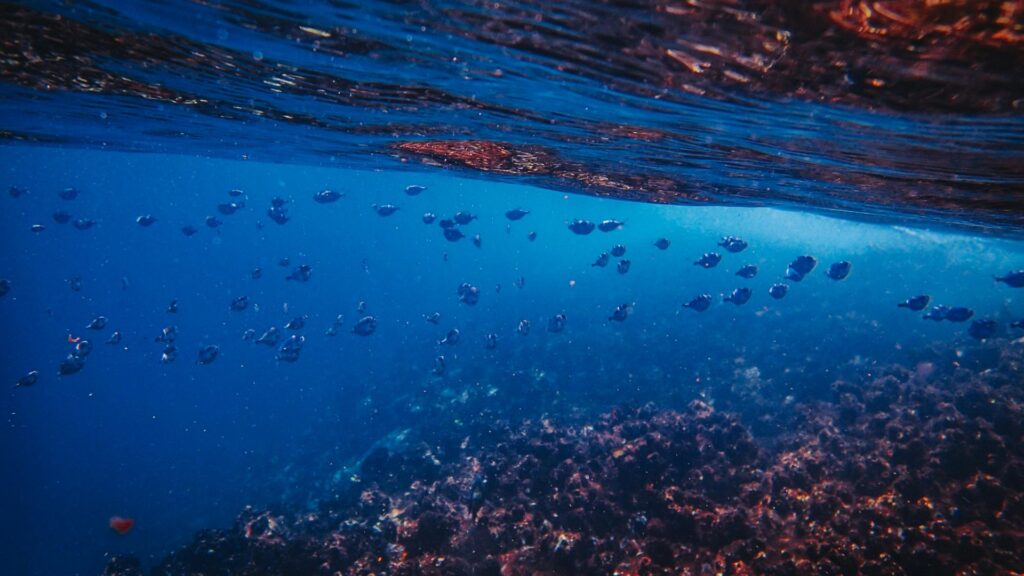
Since phytoplankton are the root of the food chain in the ocean, all of its organisms rely on it thriving. Dutkiewicz explains, “Changes in color reflect changes in plankton communities, which will impact everything that feeds on plankton. It will also change how much the ocean will take up carbon”.
The Risk of Higher Carbon Intake

If the ocean takes in more carbon, a process called ocean acidification will take place, which hurts marine life and makes it difficult for organisms like shellfish, corals, and plankton to build their shells and skeletons. This also impacts fish and other marine animals.
Conclusion

We need our oceans to be healthy for our planet to be healthy. After all, more than 70% of our planet is made of water, and without it we can’t have a thriving ecosystem.
PetsFanatic Team
Pet Care Expert & Content Creator
Passionate about sharing knowledge and tips for better pet care. Writing about everything from pet health to training techniques.