
The Megalodon Had No Natural Predators, So How Did This Enormous Prehistoric Shark Go Extinct?
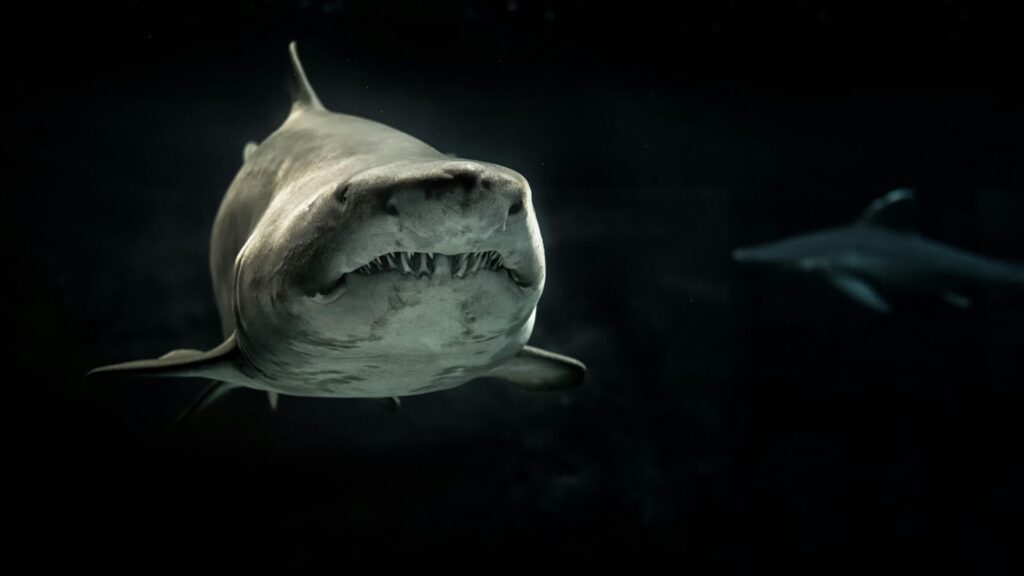
The megalodon, one of the most powerful creatures to ever exist, once ruled the ocean. This massive prehistoric shark had no natural predators, yet it mysteriously vanished millions of years ago. Scientists have long studied what led to its extinction and how such a dominant species could simply disappear.
Introducing the Megalodon

The megalodon, whose name means “big tooth,” was a species of giant shark that lived roughly 23 to 3.6 million years ago. It is believed to have grown up to 60 feet in length, making it nearly three times longer than the largest great white sharks alive today. Fossilized teeth and vertebrae are the main clues scientists use to understand this ancient predator.
Largest Ocean Predators

At its peak, the megalodon sat at the very top of the marine food chain. It preyed on whales, seals, and other large sea animals, using its massive jaws and razor-sharp teeth. Its dominance made it the ultimate ocean hunter for millions of years, so it’s puzzling why it would have disappeared from the oceans.
Compared to Great Whites

Although often compared to modern great white sharks, megalodons were far larger and more powerful. For reference, their bite force is estimated to have been more than ten times that of a great white. Some scientists once believed great whites evolved from megalodons, but newer research suggests they may have shared a distant common ancestor instead.
When Did It Roam the Oceans?

The megalodon lived during the Miocene and Pliocene epochs, when Earth’s oceans were warmer and filled with abundant marine life. Fossils have been found across every continent except Antarctica, indicating that the species was widespread. It thrived for millions of years before conditions began to change dramatically.
When Did They Go Extinct?
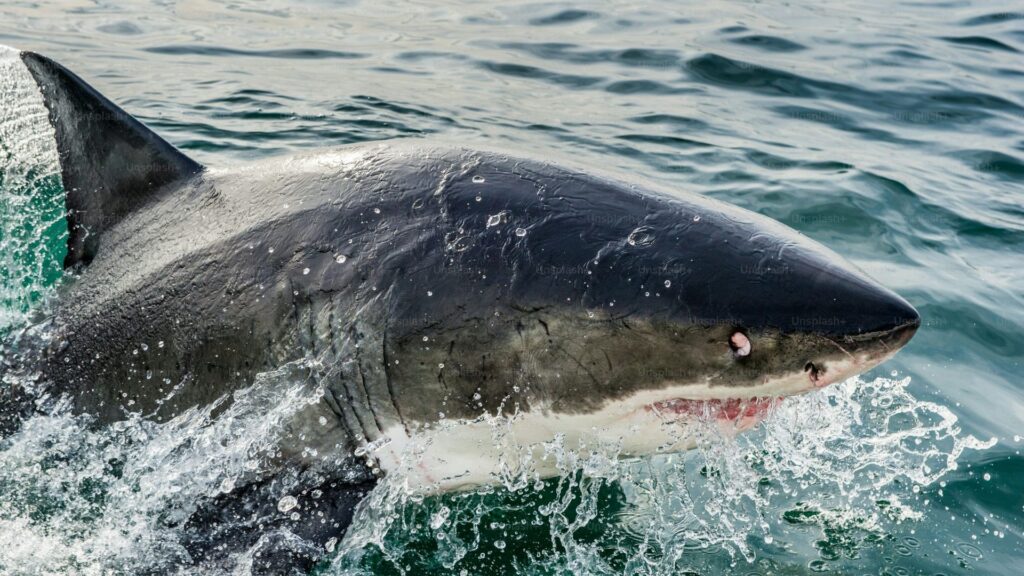
Evidence suggests that megalodons went extinct around 3.6 million years ago. This coincides with a period of global cooling that altered ocean temperatures and sea levels. Many large marine mammals, which were its primary food source, migrated or declined, creating a cascading effect throughout the food chain.
Why Did They Go Extinct?

Researchers believe several factors contributed to the megalodon’s extinction, including climate change, shifting prey populations, and competition from smaller, faster sharks like the great white. The cooling oceans may have limited the warm habitats where megalodons thrived. With fewer resources and greater competition, the massive predators could not adapt quickly enough to survive.
Could They Still Exist?
Despite occasional claims and internet theories suggesting megalodons may still exist, scientists say there is no evidence to support this. No verified sightings, remains, or sonar readings have ever indicated the presence of such a large creature in today’s oceans. Experts agree the species is long extinct.
Teeth Found Washed Ashore
Fossilized megalodon teeth continue to be discovered around the world, often washed up on beaches or embedded in coastal cliffs. These teeth can be up to several inches long and are prized by collectors and researchers alike. Each fossil offers new insight into the prehistoric predator.
Conclusion

Though the megalodon’s reign ended millions of years ago, its legacy continues to fascinate scientists and the public alike. Its extinction serves as a reminder of how even the most powerful species can vanish when faced with environmental change.
PetsFanatic Team
Pet Care Expert & Content Creator
Passionate about sharing knowledge and tips for better pet care. Writing about everything from pet health to training techniques.