
The Largest U.S. Wildfire Is Burning in Utah Under Conditions That ‘Defy History’

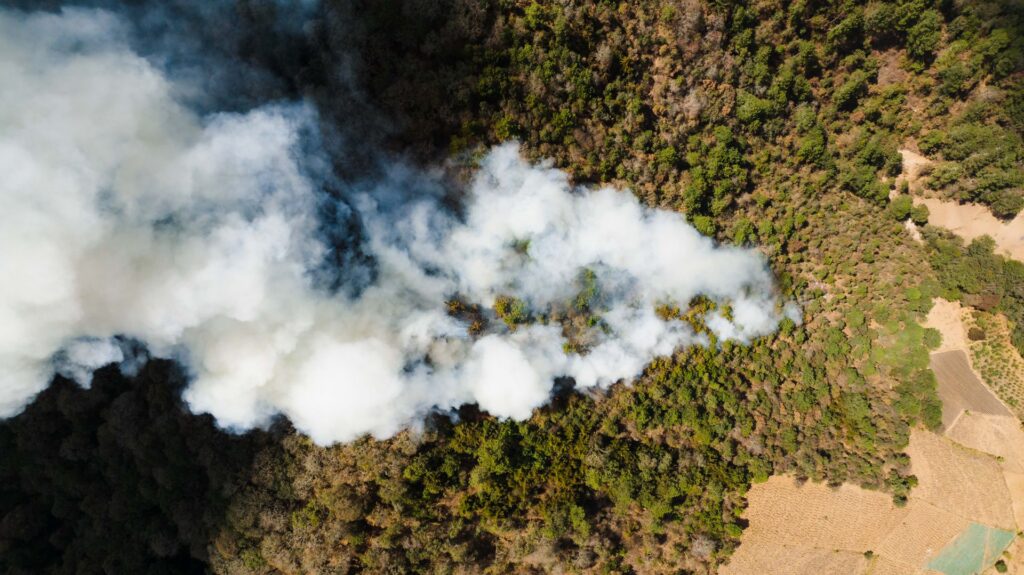
The Cottonwood Fire has become the largest active wildfire in the United States, rapidly expanding across southern Utah as firefighters battle rugged terrain, powerful winds, and exceptionally dry conditions. The blaze has scorched tens of thousands of acres in just days, forcing evacuations, damaging homes and businesses, and prompting state officials to warn that the fire is unlike any they have experienced in recent years.
Why Officials Say These Conditions “Defy History”

Utah leaders have described the fire environment as historically dangerous because several risk factors are occurring at once. The state is enduring severe drought, record-low snowpack, high temperatures, single-digit humidity, and frequent wind gusts capable of driving flames across mountainsides within hours. State Forester Jamie Barnes and Gov. Spencer Cox have both said the fire behavior is exceeding what crews typically expect, with Cox warning that the conditions “defy history.”
The Cottonwood Fire’s Rapid Expansion

The wildfire ignited in Fishlake National Forest and quickly exploded in size, growing to more than 90,000 acres while remaining at little or no containment during its early stages. Strong winds repeatedly grounded firefighting aircraft, limiting crews’ ability to slow the fire’s advance even as hundreds of firefighters worked around the clock on the ground.
Communities And Businesses Have Already Been Hit

The fire has damaged property in Beaver County, including parts of the Eagle Point ski resort, while threatening nearby mountain cabins and vacation communities. Mandatory evacuations have affected residents and visitors in several areas, and sections of Fishlake National Forest remain closed as emergency crews continue suppression efforts. Officials are still assessing the full extent of structural losses because many burned areas have been difficult to access safely.
A Rare Fire Weather Warning

The National Weather Service issued a rare “Particularly Dangerous Situation” Red Flag Warning across parts of Utah, an alert reserved for the most extreme wildfire conditions. Such warnings indicate that any new fire could spread rapidly and become difficult or impossible to control due to a combination of powerful winds, critically low humidity, and dry vegetation.
Utah Has Taken Unusual Emergency Measures

As fire danger intensified, Gov. Spencer Cox declared a statewide emergency and temporarily banned most Independence Day fireworks. The emergency order gives state officials broader authority to restrict fireworks within municipalities, reflecting concerns that additional human-caused ignitions could overwhelm already stretched firefighting resources during one of the state’s busiest outdoor weekends.
Human Activity Is Driving Many Fires

While investigators continue examining the cause of the Cottonwood Fire, officials say the broader wildfire season has been heavily influenced by people rather than lightning. According to Utah authorities, the majority of this year’s fires have been human-caused, reinforcing repeated public warnings about fireworks, campfires, equipment use, and other preventable ignition sources during extreme drought.
The Crisis Extends Beyond One Fire

The Cottonwood Fire is only one part of a much larger emergency affecting Utah and neighboring states. Multiple significant fires are burning across the region, public lands have been closed, smoke is affecting air quality hundreds of miles away, and recent firefighting operations have turned deadly after three firefighters were killed while battling separate fires near the Utah-Colorado border.
Weather Remains The Biggest Challenge
Fire crews continue to monitor every shift in humidity and wind because even brief improvements can disappear quickly. Forecasts have offered occasional periods of slightly higher humidity, but officials warn that returning heat and strong afternoon winds could trigger renewed explosive fire growth. Aircraft operations also remain highly dependent on smoke conditions and wind speeds.
The Weeks Ahead Could Shape Utah’s Fire Season
Emergency managers say the Cottonwood Fire has become a defining test of Utah’s 2026 wildfire season. Whether firefighters can slow its spread will depend not only on suppression efforts but also on meaningful changes in weather. Until sustained rainfall arrives, authorities are urging residents to follow evacuation orders, avoid activities that could spark new fires, and prepare for the possibility that dangerous wildfire conditions could persist well into the summer.
PetsFanatic Team
Pet Care Expert & Content Creator
Passionate about sharing knowledge and tips for better pet care. Writing about everything from pet health to training techniques.