
The Great Barrier Reef Faces a Critical Test as El Niño Strengthens

Scientists are closely monitoring the Great Barrier Reef as a strengthening El Niño raises concerns about unusually warm ocean temperatures. The world’s largest coral reef system has already experienced multiple mass bleaching events in recent years, and experts warn that additional marine heat could place even greater stress on corals. While the reef has shown signs of resilience in some areas, researchers say the coming months could prove to be another critical test for one of Earth’s most important ecosystems.
El Niño Is Expected to Increase Ocean Temperatures

El Niño is a natural climate pattern that develops when sea surface temperatures in the central and eastern Pacific Ocean become warmer than normal. These changes influence weather patterns around the globe and can contribute to unusually warm ocean conditions around Australia. For coral reefs, prolonged heat is one of the biggest threats because it increases the likelihood of widespread bleaching.
Coral Bleaching Happens When Water Gets Too Warm

Coral bleaching occurs when heat-stressed corals expel the tiny algae that provide most of their food and vibrant color. Without these algae, corals turn white and become much more vulnerable to disease, starvation, and death if stressful conditions continue. Bleaching does not always kill coral immediately, but repeated or prolonged heat events make recovery increasingly difficult.
The Great Barrier Reef Has Endured Multiple Bleaching Events

The Great Barrier Reef has experienced several mass bleaching events since 2016, including widespread bleaching during consecutive years. Scientists say repeated marine heatwaves have reduced the amount of time reefs have to recover between events. Although some coral communities have rebounded, others continue to struggle after repeated exposure to unusually high temperatures.
Climate Change Is Increasing the Risk

Researchers say climate change is making marine heatwaves more frequent, more intense, and longer lasting. Rising global temperatures increase baseline ocean temperatures, meaning natural climate cycles such as El Niño can produce even greater stress on coral ecosystems. Many experts believe reducing greenhouse gas emissions will be essential for improving the reef’s long-term outlook.
The Reef Supports Thousands of Marine Species

Stretching for more than 1,400 miles along Australia’s northeast coast, the Great Barrier Reef is home to thousands of species of fish, corals, sharks, sea turtles, dolphins, and countless other marine organisms. It is the largest coral reef system on Earth and plays a vital role in supporting biodiversity. The reef also contributes significantly to Australia’s tourism industry and coastal economy.
Scientists Continue Monitoring Reef Conditions

Scientists regularly monitor sea temperatures, coral health, and bleaching conditions using satellites, underwater surveys, and research stations throughout the reef. These monitoring efforts help identify areas experiencing the greatest stress while providing valuable data to guide conservation strategies. Early detection also allows researchers to better understand how different reef regions respond to changing conditions.
Conservation Efforts Continue Across the Reef
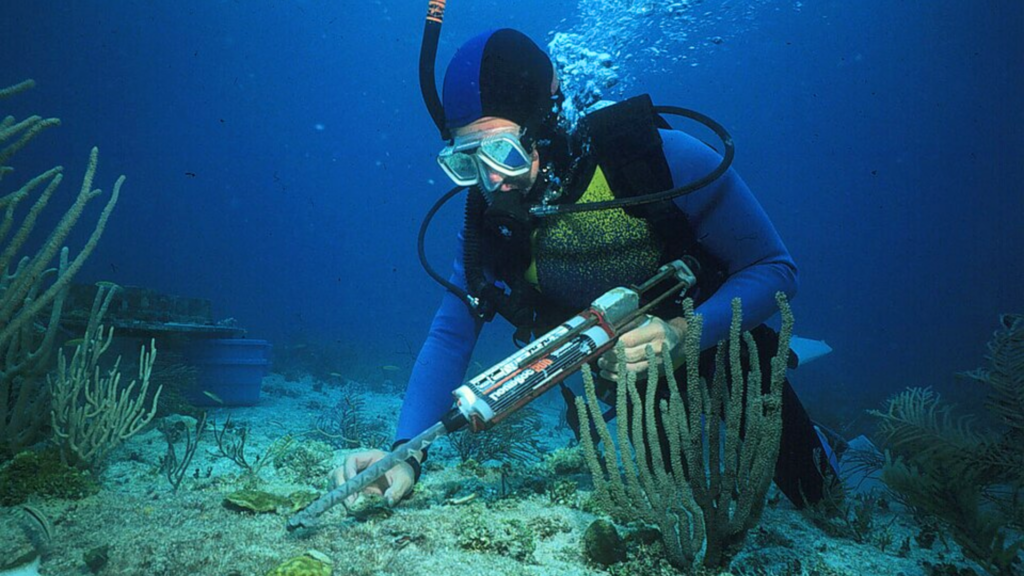
Australian authorities and conservation organizations continue investing in reef restoration, water quality improvements, and research aimed at strengthening coral resilience. Projects include reducing pollution flowing into coastal waters, restoring damaged coral habitats, and studying coral species that appear more tolerant of warmer temperatures. While these efforts cannot eliminate the effects of global warming, they may improve the reef’s ability to recover.
The Months Ahead Could Be Critical

Scientists say the strength and duration of El Niño will play an important role in determining how much heat stress the reef experiences over the coming months. If ocean temperatures remain elevated for extended periods, the likelihood of additional bleaching events could increase substantially. Researchers will continue closely tracking conditions throughout the season to assess how the reef responds.
The Reef’s Future Depends on Global and Local Action

The Great Barrier Reef remains one of the world’s most extraordinary natural wonders, but it continues to face growing challenges from rising ocean temperatures and recurring bleaching events. As El Niño strengthens, scientists are watching closely to determine whether the reef can withstand another period of intense heat stress. Continued conservation efforts, improved water quality, scientific research, and broader action to address climate change will all play important roles in protecting this globally significant ecosystem for future generations.
PetsFanatic Team
Pet Care Expert & Content Creator
Passionate about sharing knowledge and tips for better pet care. Writing about everything from pet health to training techniques.