
The Deadliest Venom on the Planet Comes From an Animal You’d Never Expect
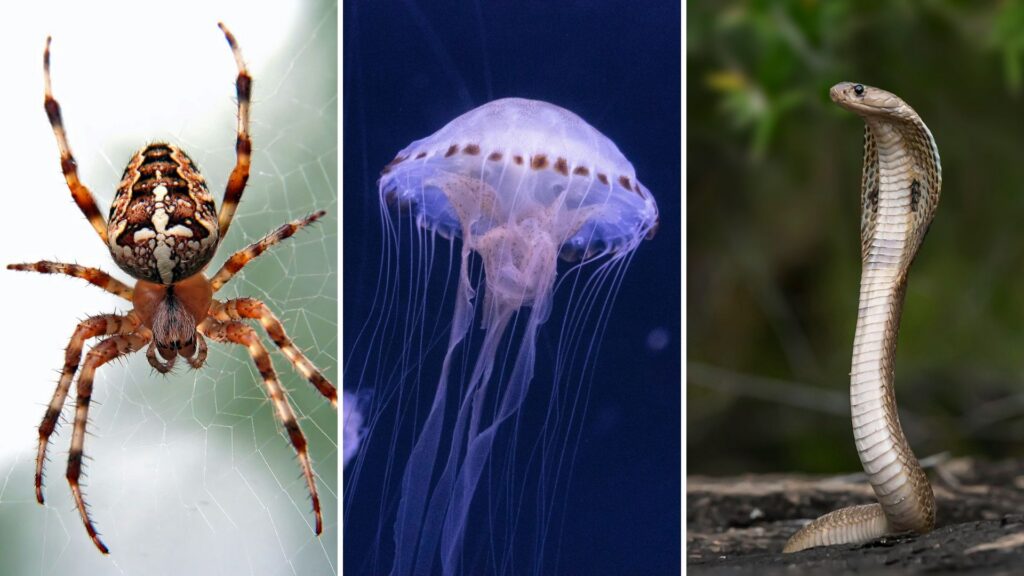
A stroll along a tropical beach often reveals shells that look like small works of art, each one patterned and polished by the ocean. Yet hidden within some of those shells lives a predator whose venom ranks among the most potent in nature, and that quiet presence changes the way those waters deserve attention.
Cone Snail Species Diversity
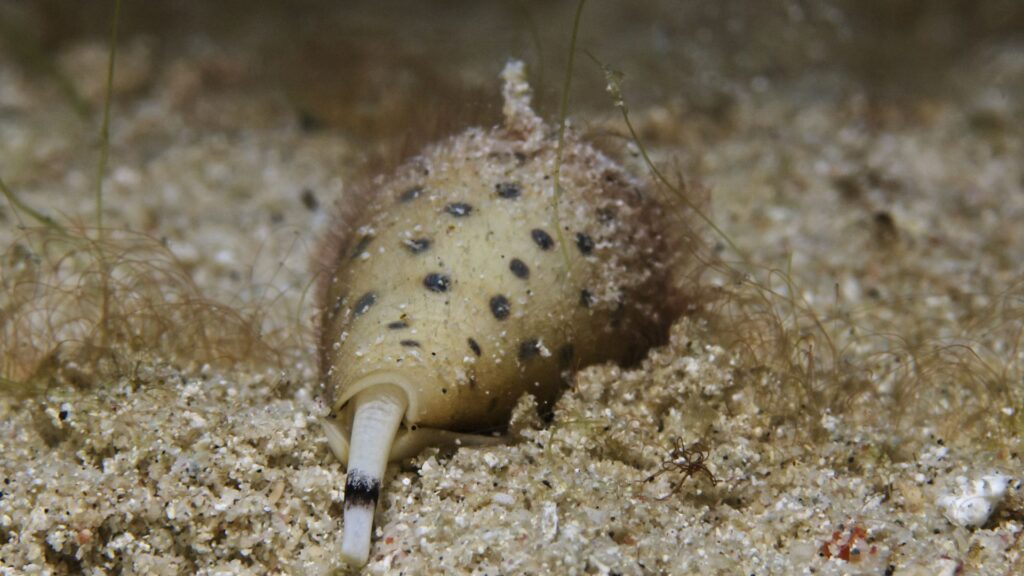
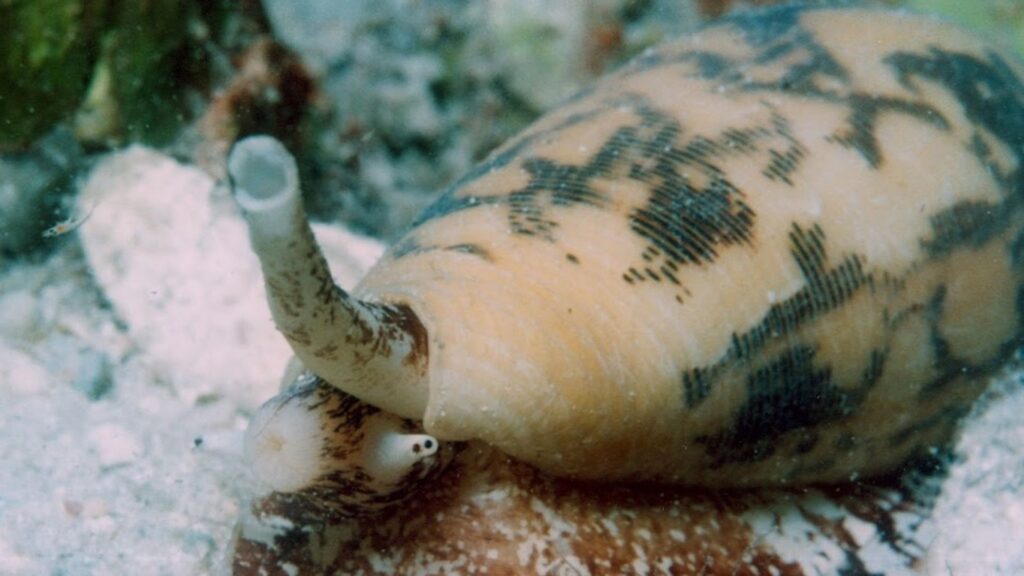
Marine biologists have identified roughly 600 to 700 species of cone snails, and that wide range leads to striking differences in size, coloration, and pattern. Yet across coral reefs, sandy shallows, and mangrove waters, each species still belongs to the same Conidae family and carries venom.
Harpoon Radula Hunting Mechanism
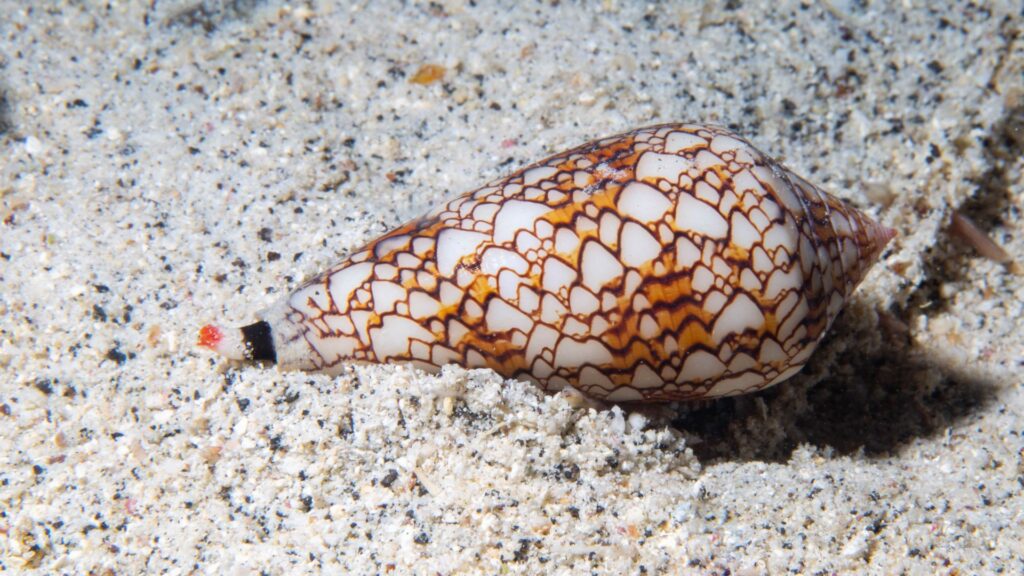
Cone snails move slowly across the seabed, yet their hunting method unfolds with sudden precision once prey drifts within reach. A hollow tooth inside the radula launches forward like a harpoon, and that strike injects venom instantly, leaving fish or worms immobilized before the snail consumes them whole.
Neurotoxic Venom Composition
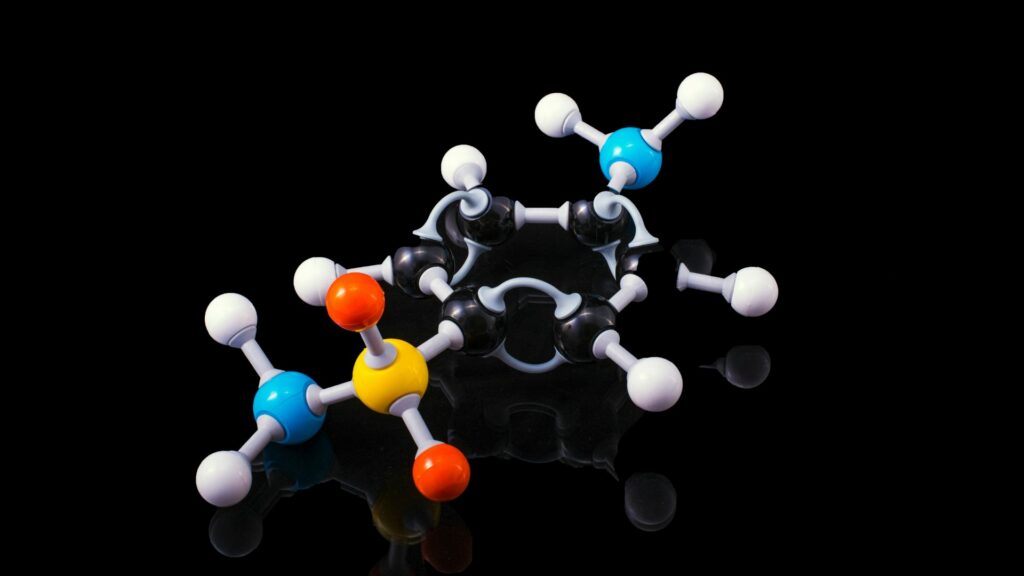
Venom carried inside cone snails contains a dense mix of neurotoxic compounds, and that chemical blend includes dozens of peptides that interfere with nerve signals in the body. As those toxins spread through tissue and blood, muscles lose control, which explains how a small puncture can trigger widespread paralysis.
Cone Snail Diet Categories
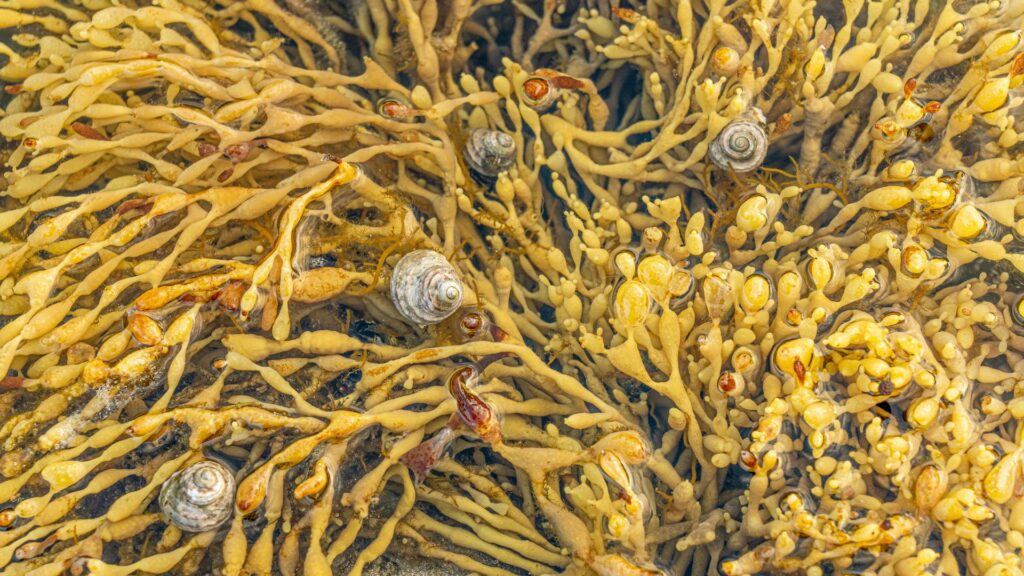
Marine biologists group cone snails according to what they hunt, and that feeding pattern separates them into mollusc-eaters, worm hunters, and fish predators. Each group follows a slightly different hunting strategy, which explains why fish-eating species tend to deliver the most dangerous stings to humans.
Shallow Water Habitat Distribution
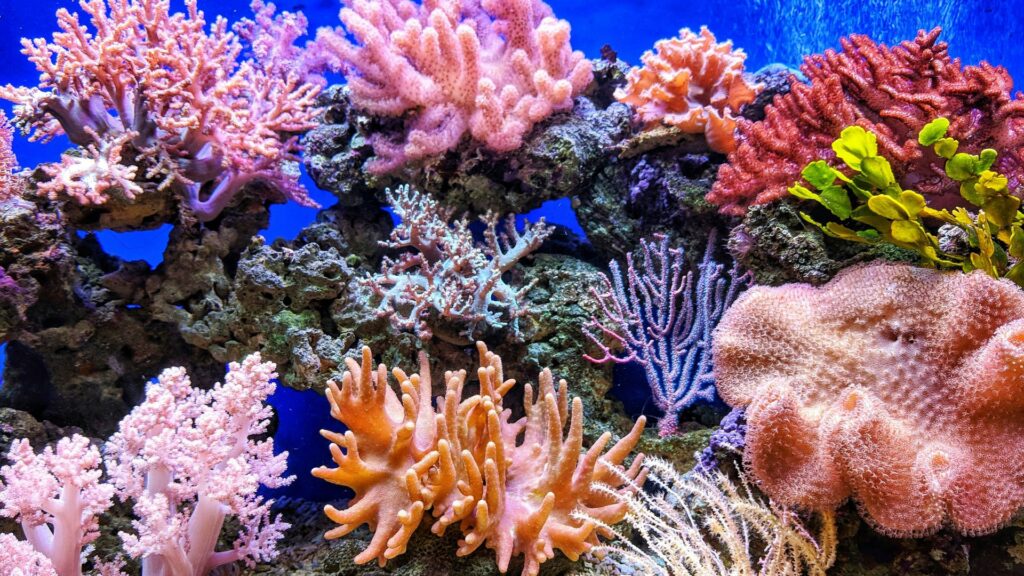
Cone snails occupy warm and temperate marine waters, and that preference places many species in shallow coastal zones where coral reefs, sandy seabeds, and mangrove roots provide shelter. As a result, divers, snorkelers, and beachgoers often pass close to habitats where these snails remain buried or hidden beneath coral ledges.
Human Envenomation and Symptoms

Cone snail stings usually happen when someone steps on the animal or picks up a shell that still contains a living snail, and that brief contact allows the radula to inject venom. Soon afterward, tingling and numbness spread through the limb, followed by paralysis, breathing failure, or coma in severe cases.
Medical Research From Cone Snail Venom
Researchers studying cone snail toxins soon noticed that the same molecules capable of stopping nerve signals in prey could also interact with human nerve pathways. As that work continued, scientists developed medicines from those peptides, including powerful pain treatments and experimental insulin compounds studied for diabetes care.
Conservation Status and Environmental Pressures
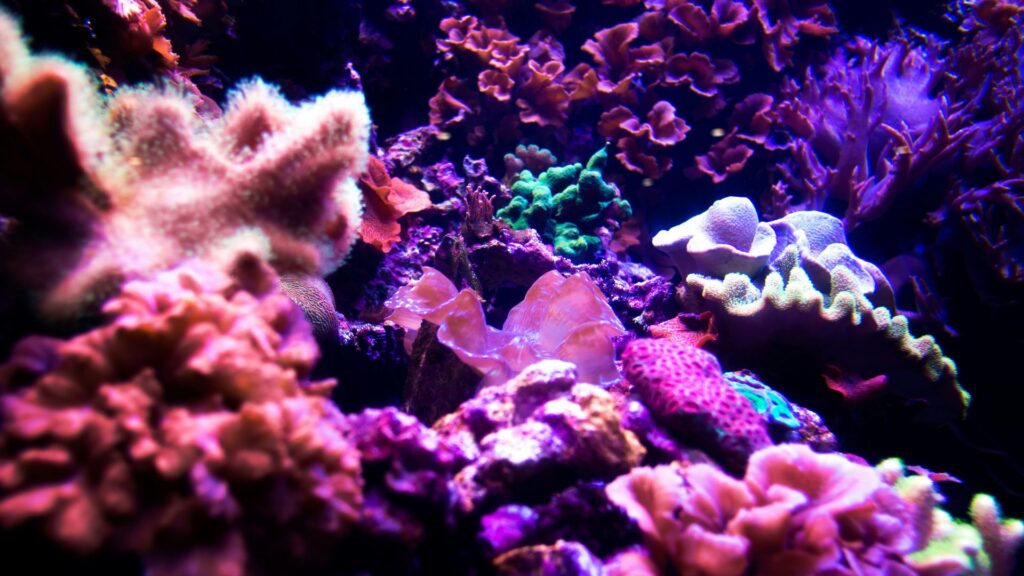
Most cone snail species currently fall under the Least Concern category, yet ongoing collection for shell trading and laboratory research continues to reduce local populations. Meanwhile, pollution, coastal development, and ocean acidification steadily alter reef habitats where these snails feed, hide, and reproduce.
A Small Shell With Extraordinary Venom
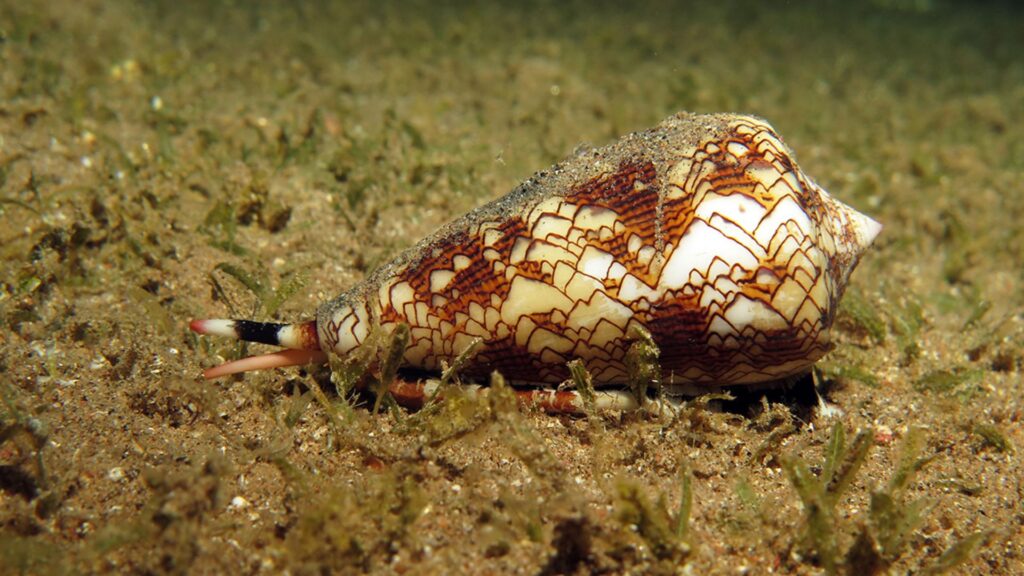
Cone snails rarely draw attention because their shells resemble harmless pieces of reef debris, so swimmers and collectors often pass them without concern, which means encounters happen by accident, and that quiet presence explains why marine biologists keep warning people to leave living shells exactly where they lie.
PetsFanatic Team
Pet Care Expert & Content Creator
Passionate about sharing knowledge and tips for better pet care. Writing about everything from pet health to training techniques.