
Tiny Town Upended Environmental Law After Granting ‘Human-Style Rights’ to Trees
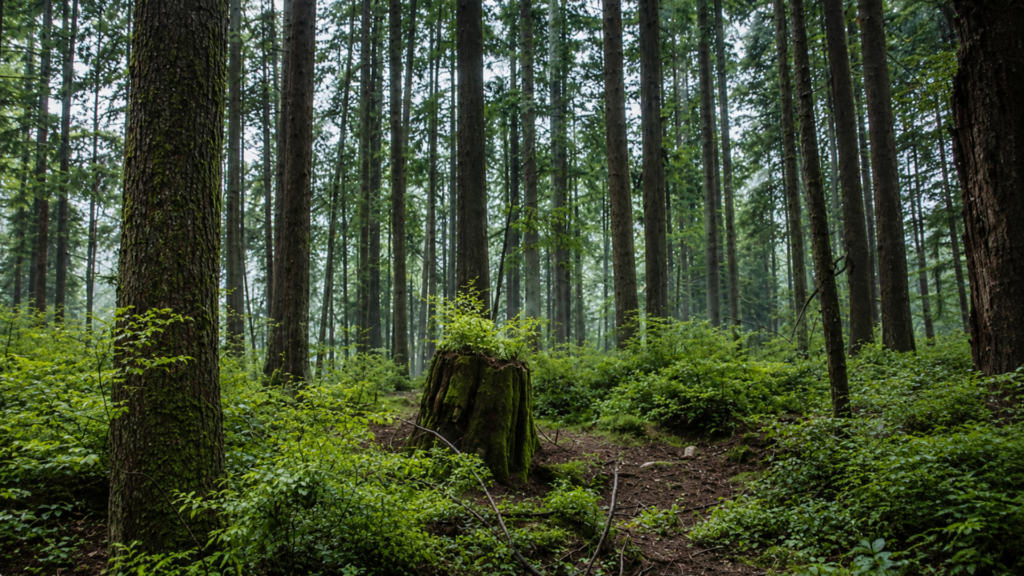
A corporation can sue someone in court. It can own property and sign contracts. It has never taken a single breath. In one small Quebec town, trees just gained some of those same legal protections, and they never filled out paperwork either. Terrasse-Vaudreuil voted to treat its trees as living entities with rights of their own. If a company that breathes nothing can hold legal standing, why not a living tree?
For Centuries, Nature Was Property. This Movement Says That’s Backwards.
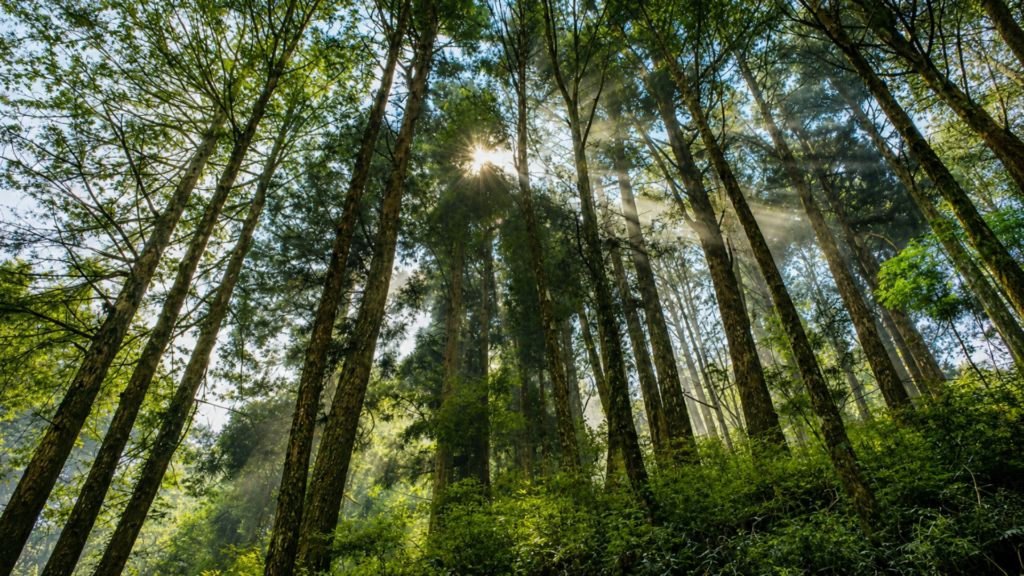
Nature has almost always been treated as property under the law, not as something with rights of its own. For centuries, laws only decided how much harm to land and water counted as legal. The land itself never got a say. A newer idea called the Rights of Nature movement flips that setup. It argues that rivers, forests and trees deserve legal standing, similar to what a person or a company already has. Should ownership always come before protection?
This Isn’t a New Idea, Just New Paperwork
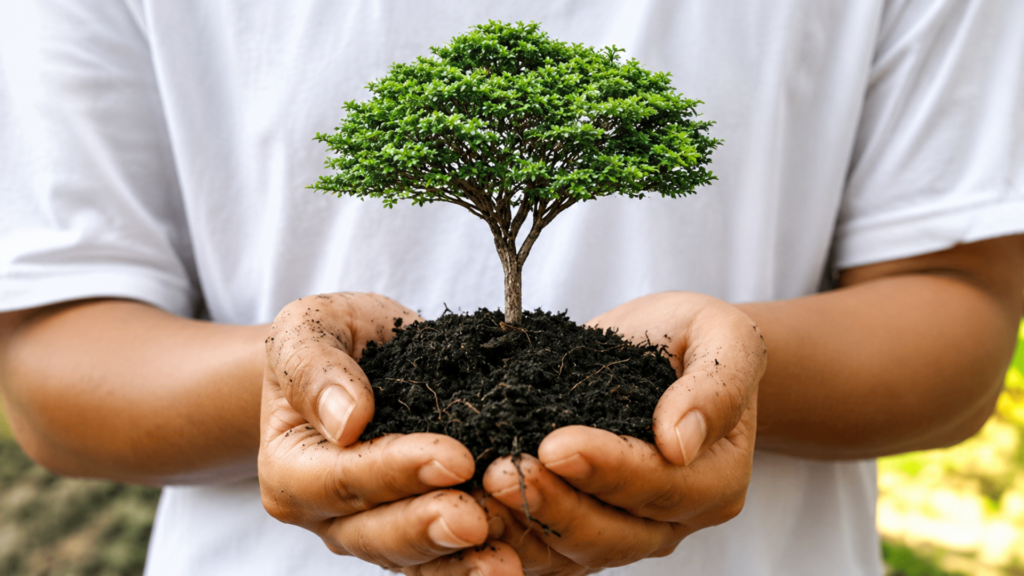
This idea is not new, even if the legal paperwork is. Many Indigenous cultures have long treated nature as a living relative with its own right to exist, grow and heal. The Rights of Nature movement borrows directly from that tradition. It holds that forests and rivers deserve the chance to regenerate, not just survive human use. Western law is only now catching up to something many communities have believed for generations.
A River Got Rights First, and Nobody Panicked
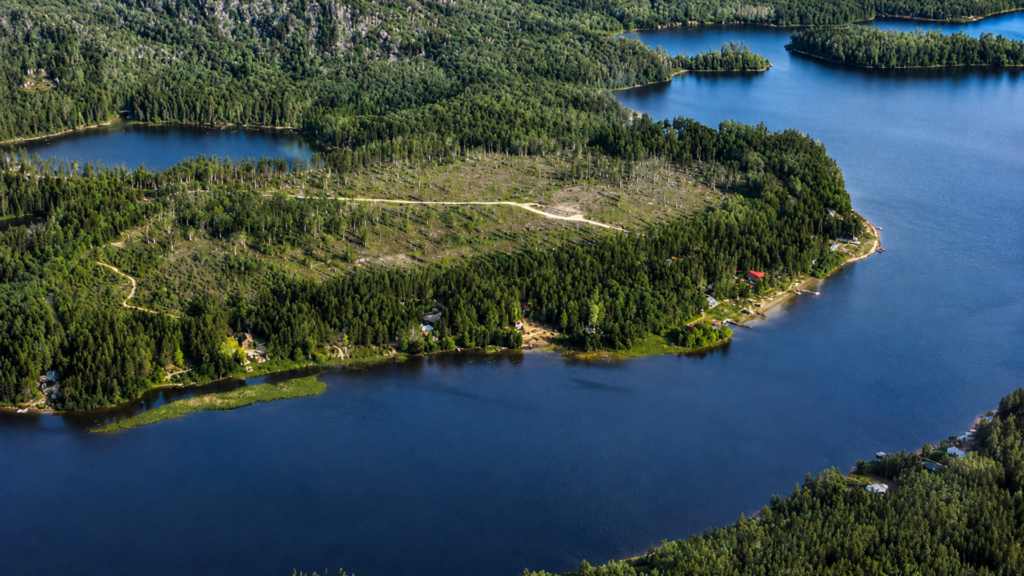
Quebec did not wait until 2026 to test this idea. Back in 2021, a regional council and the Innu Council of Ekuanitshit granted legal personhood to the Magpie River, giving the waterway rights a person or company might hold. That decision made headlines as a bold experiment in Canadian law. Five years later, Terrasse-Vaudreuil picked up that same thread, only this time the subject was not a river but a stand of trees.
Floods Turned Scenery Into a Shield
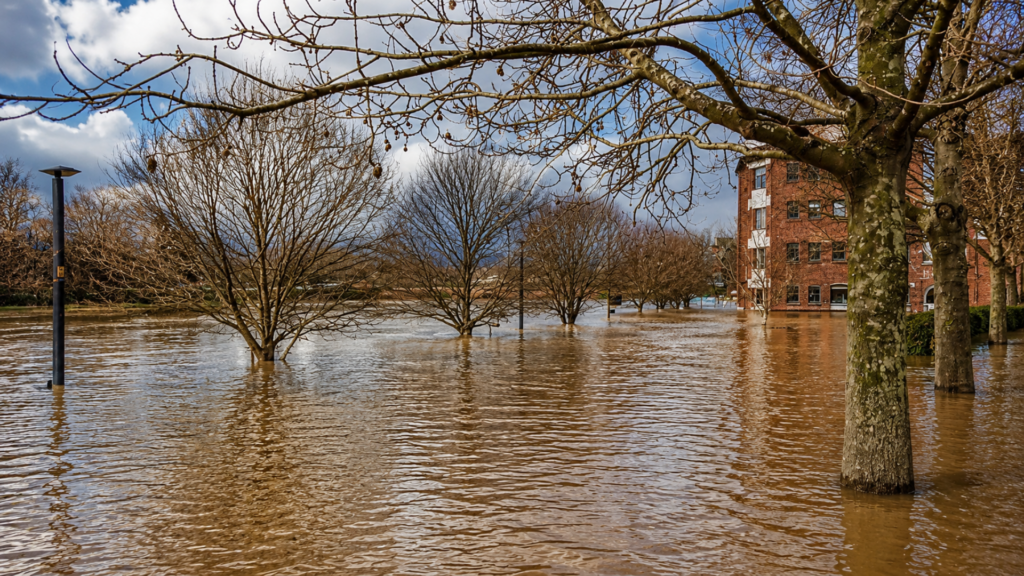
Floods changed how one town saw its trees. Terrasse-Vaudreuil had faced a string of damaging floods in just a few years before its council acted. Residents stopped viewing the trees around them as simple scenery and started seeing them as a defense against rising water. That shift in perspective did not happen overnight. It grew flood by flood, until protecting the trees started to feel less like sentiment and more like self-preservation.
One Vote Made It Official on June 9
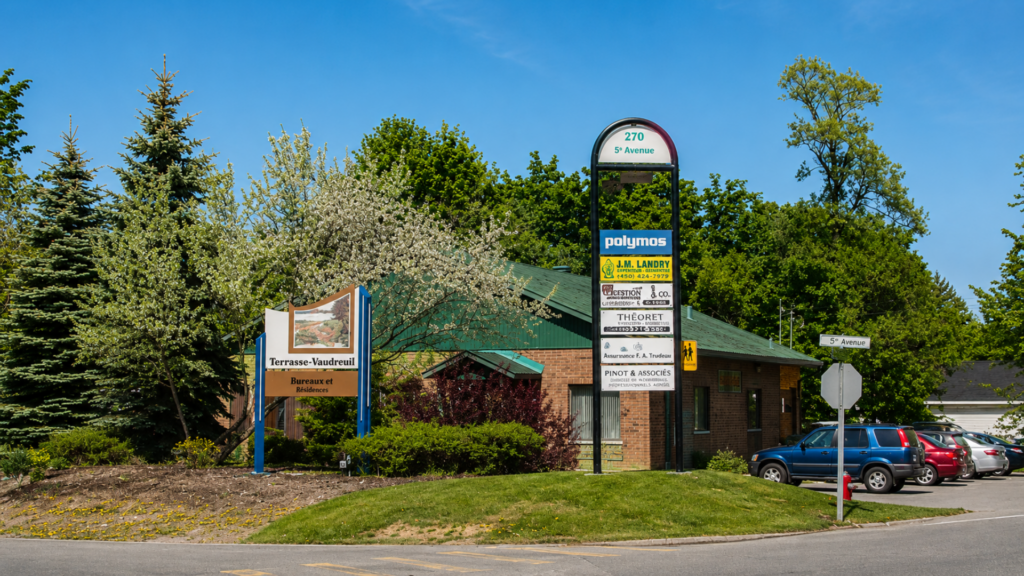
On June 9, 2026, Terrasse-Vaudreuil’s council made its choice official. Members voted to sign onto the Universal Declaration of the Rights of the Tree, a global petition that began back in 2018. The declaration treats trees as living entities that the rest of life on Earth depends on. According to Karine Peloffy, a lawyer with Ecojustice, “We know corporations have legal personhood and rights, and they are definitely not living.” Her point cuts straight to the town’s reasoning.
Four Rights Now Stand Between a Tree and a Chainsaw
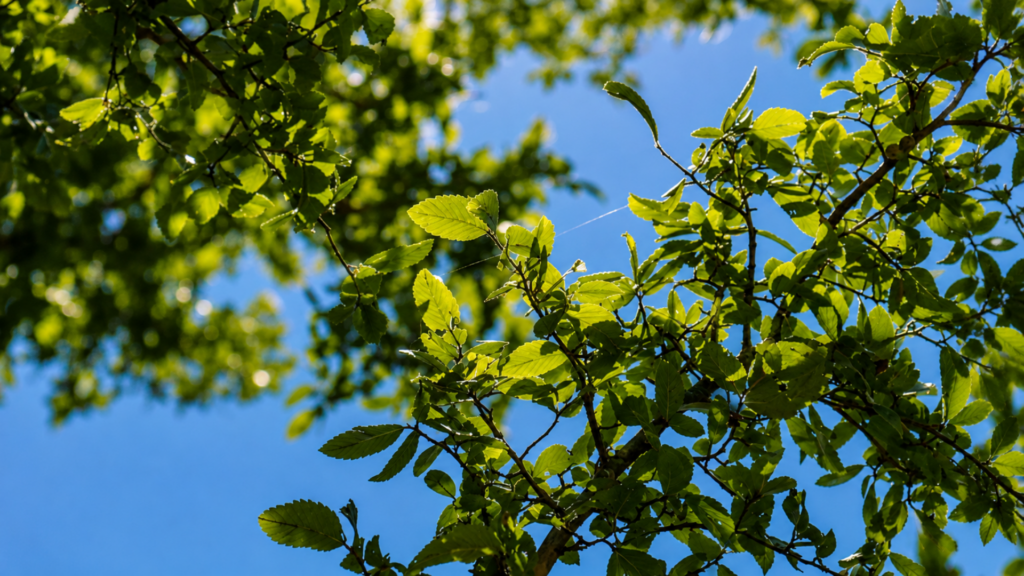
A right on paper only matters if it actually protects something. The Universal Declaration spells out four specific rights for trees: a right to life, a right to integrity, a right to natural growth, and a right to regeneration. Together, those rights push against actions like unnecessary cutting or damage that stops a tree from growing as it naturally would. What changes for a town once cutting down a tree carries that kind of legal weight?
A Lifeless Company Has Rights. Why Not a Living Tree?
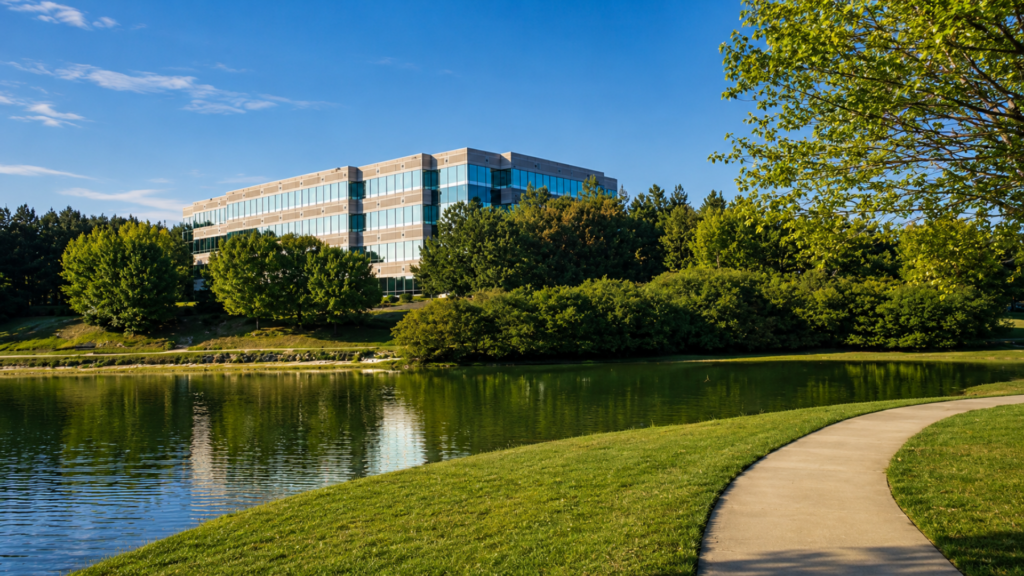
Peloffy’s argument leans on a comparison most people have never really questioned. She continued, “So if some nonliving things can have legal personhood, what’s stopping living beings from equally getting legal personhood?” Corporations already sue, own land and sign contracts without a single living cell. Her question turns a familiar legal fact into an uncomfortable one. If paperwork can grant rights to something lifeless, why should a living tree need to fight harder for the same protection?
A Vote Doesn’t Rewrite the Rulebook by Itself
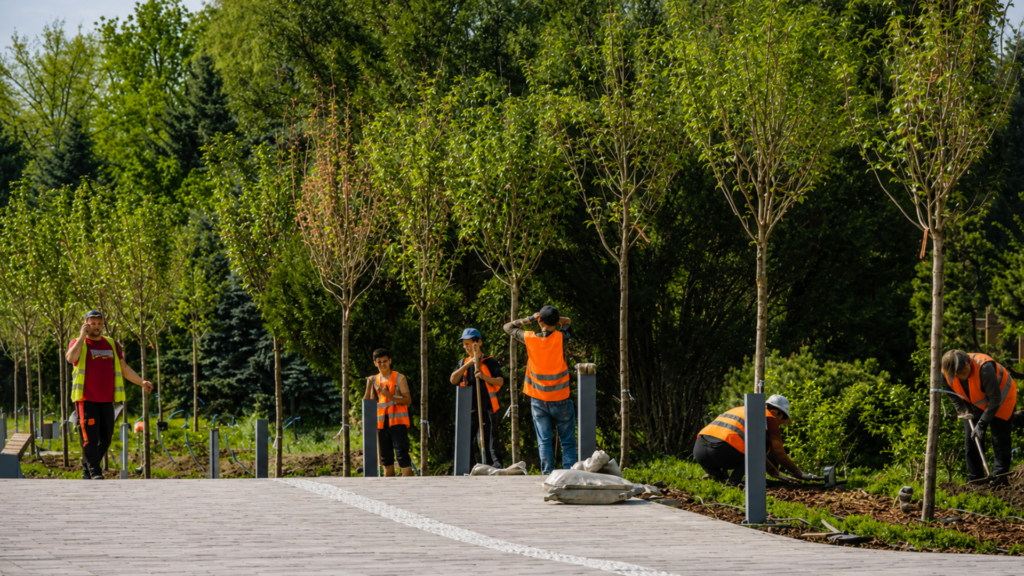
A vote is only the starting point for Terrasse-Vaudreuil. The council now plans to review the town’s existing tree laws to bring them in line with the declaration it just signed. That means checking rules on cutting, development and land use against the tree rights it just recognized. Nothing about that review is automatic. It will take real decisions, one ordinance at a time, to turn a symbolic vote into enforceable protection.
The Law Already Protects Things That Never Lived
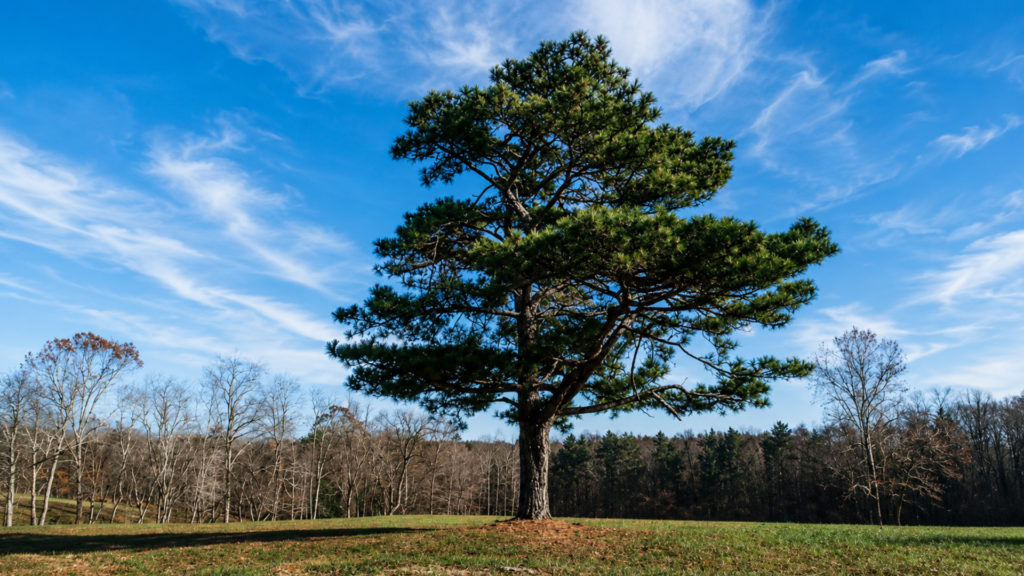
A corporation never planted a seed, never grew bark, never lived through a flood, yet the law has protected it for years. Terrasse-Vaudreuil trees cannot speak for themselves in a courtroom any more than a corporation can breathe on its own. What they now share is legal standing, built from paperwork rather than lungs. As more towns weigh similar declarations, the real question is not whether trees deserve rights. It is how many places are ready to write that down.
PetsFanatic Team
Pet Care Expert & Content Creator
Passionate about sharing knowledge and tips for better pet care. Writing about everything from pet health to training techniques.