
Scientists Discover ‘Supergiant’ Gold Deposit Worth $83 Billion
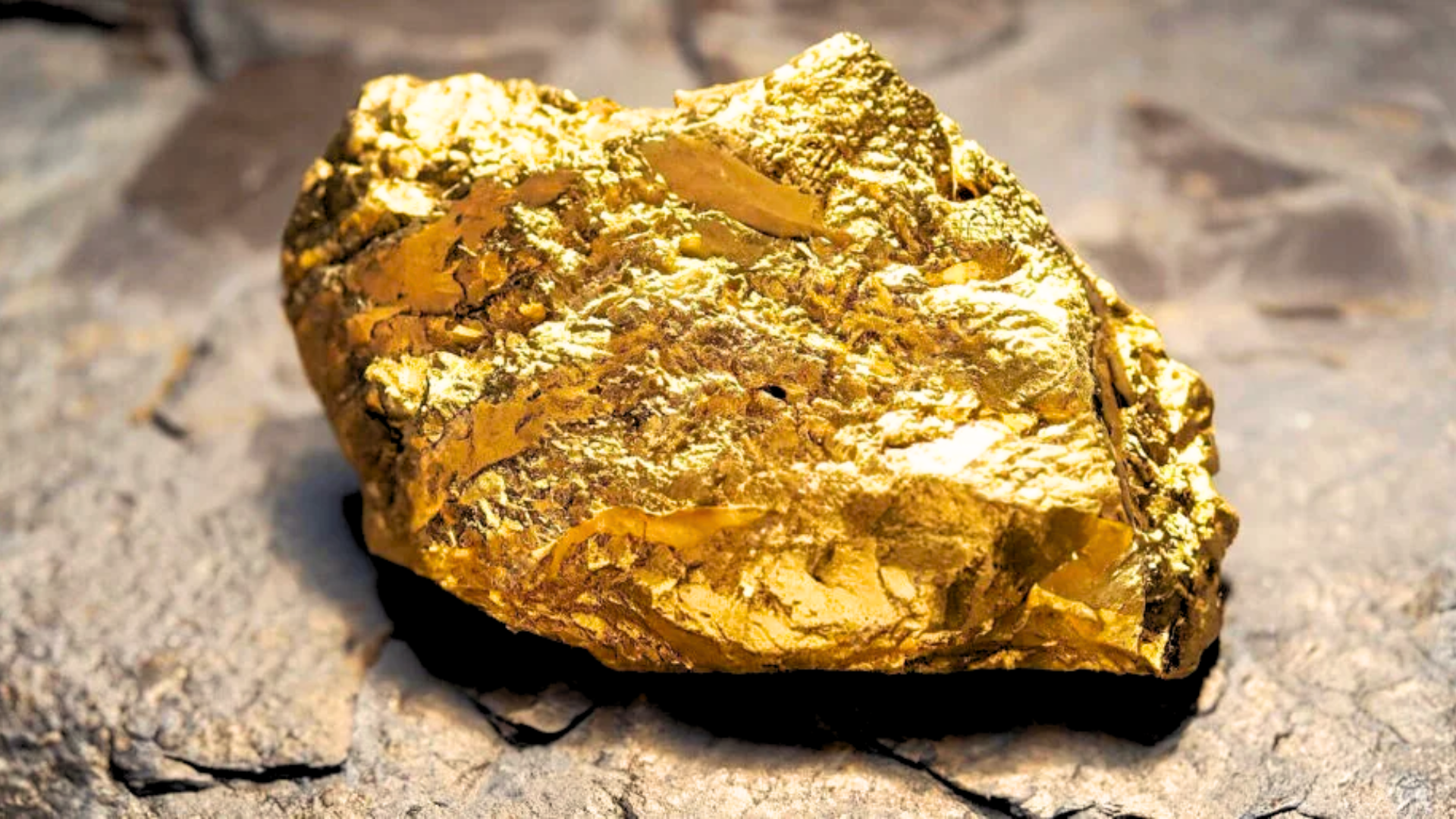
Scientists drilling deep beneath a quiet region of China weren’t expecting history to clang back at them, but that’s exactly what happened. In 2024, researchers uncovered what’s now being called a “supergiant” gold deposit, one so massive it could be worth an estimated $83 billion at today’s prices. The find is already being described as one of the most significant gold discoveries ever recorded.
The deposit was found in the Wangu gold field in Pingjiang County, Hunan Province. What began as routine geological drilling quickly turned extraordinary when instruments revealed dense, gold-rich ore far beyond typical expectations; both in volume and concentration.
Experts say the discovery doesn’t just rewrite local mining prospects. It could reshape global gold supply dynamics and reinforce China’s position as one of the world’s leading gold producers.
What makes this gold deposit “supergiant”
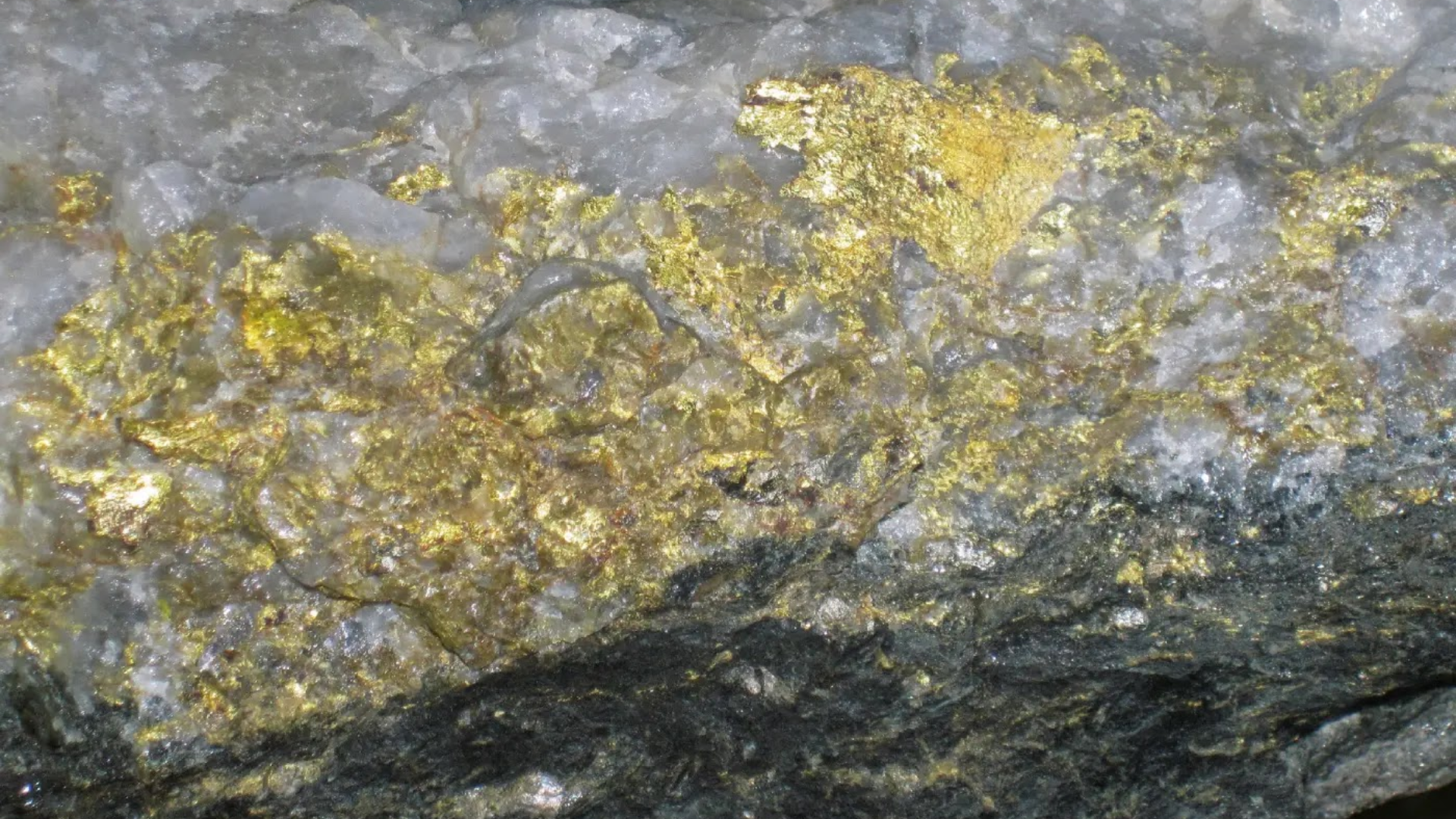
According to researchers, the site contains an estimated 1,100 metric tons of gold, with about 300 tons already confirmed at shallower depths. That alone places it among the largest gold finds on record but deeper modeling suggests the deposit may extend far further underground.
Gold-bearing veins were discovered more than 6,500 feet below the surface, with over 40 separate veins identified. Advanced 3D geological models now suggest those veins could continue to depths exceeding 9,800 feet, potentially increasing the total yield even more.
The ore is also unusually rich. Some samples contain 138 grams of gold per metric ton, a concentration rarely seen in modern mining. Experts say visible gold appearing in drill cores is a strong indicator of an exceptionally valuable deposit.
The ancient forces that created the treasure
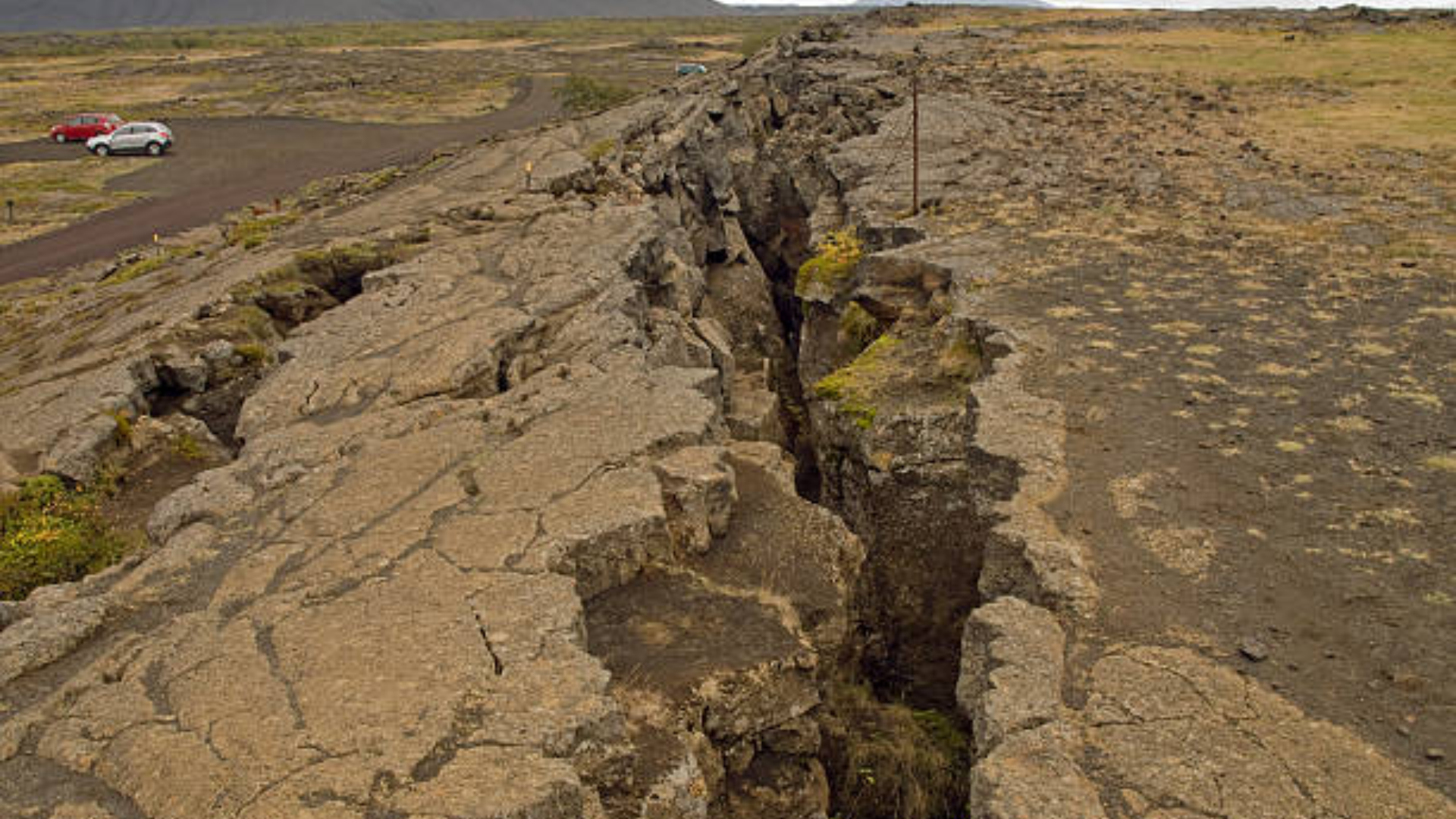
Scientists believe the deposit formed through a complex geological chain reaction millions of years in the making. As tectonic plates collided, the Earth’s crust folded and fractured, creating deep faults and cracks that became pathways for mineral-rich fluids.
Hot magmatic fluids rose from deep within the mantle, carrying dissolved metals. These fluids seeped into granite intrusions, where repeated heating, boiling, and chemical reactions caused gold and other metals to crystallize and bind to rocks like pyrite.
Over time, multiple mineralization stages stacked layer upon layer of gold-bearing material. Today, those ancient processes are visible in the textures of the rocks themselves; geological fingerprints that confirmed the scale and origin of the find.
This discovery could shake global markets

The sheer size of the deposit has already captured the attention of global markets. Gold prices have climbed to around $2,700 per ounce, and analysts say the discovery could influence future pricing as extraction plans move forward.
If fully developed, the Wangu gold field could surpass even South Africa’s famed South Deep mine, which holds an estimated 1,025 tons of gold. That would make this the largest known gold reserve ever identified.
For now, scientists are still mapping the deposit’s true extent, but one thing is already clear. This isn’t just a lucky strike. It’s a geological jackpot forged by Earth’s most powerful forces, and it could redefine how much gold the world believes is still hidden beneath its feet.
PetsFanatic Team
Pet Care Expert & Content Creator
Passionate about sharing knowledge and tips for better pet care. Writing about everything from pet health to training techniques.