
Scientists Warn a Powerful El Niño Could Reemerge in 2026

The winter coat you wore last season might feel entirely unnecessary as a pattern of severe ocean warming returns in 2026. This atmospheric shift mirrors a historic climate system that once unleashed global destruction. A massive underwater temperature spike is now disrupting standard weather patterns across North America, bringing unusually warm winter conditions to the Midwest. This system behaves like an unpredictable global thermostat, altering seasonal stability and threatening critical agricultural infrastructure across multiple continents.
Peer Reviewed Research Confirms Historic Atmospheric Vulnerability

Climate scientists tracking these severe adjustments have discovered crucial documentation concerning past atmospheric cycles. Rigorous investigations published in the peer reviewed Journal of Climate analyzed historical data from previous centuries. This academic research reveals how multi ocean anomalies regularly amplify baseline seasonal patterns. By mapping the specific mechanics behind historical wind patterns, these top level researchers provide a factual foundation that transforms vague weather forecasts into verified indicators of imminent environmental changes.
Historic Global Disasters Slashed Essential Agricultural Output

Between 1876 and 1878, a historic ocean pattern triggered severe multi year droughts across three continents. The resulting food shortages caused an estimated 50 million fatalities throughout Asia, South America, and Africa. This staggering loss of human life represents roughly double the entire modern population of Texas. Historical measurements show that regional water shortages completely dismantled local crop yields, leaving vast populations entirely without basic sustenance as surface temperatures shifted violently.
Modern Climate Factors Magnify Atmospheric Systems

Statistical analyses reveal that the nineteenth century weather event matches the absolute intensity of modern super cycles seen in 1982 and 2015. However, the returning pattern defies the historical baseline due to higher global temperatures. Industrial emissions have trapped unprecedented heat, meaning the incoming cycle carries significantly more moisture and thermal energy than past occurrences. This interaction creates an entirely altered system, complicating standard forecasting models and challenging existing water management infrastructure.
Academic Researchers Chart Compounding Marine Variables

Meteorological teams at the Indian Institute of Technology are tracking how these multiple marine anomalies intersect. Experts note that the Pacific cycle is currently joined by an intensely warm Atlantic surface temperature pattern. This multi basin warming creates a complex atmospheric feedback loop, making seasonal shifts harder to predict. By evaluating how these separate oceanic forces interact simultaneously, research institutions hope to provide local governments with actionable timelines for updating regional contingency plans.
Global Devastation Restructured Modern Societal Equality

The upcoming climate disruption will test whether modern safety nets can survive severe regional stress. This atmospheric shift bridges historical tragedy with immediate economic risks. “In a very real sense, the El Niño and climate events of 1876-78 helped create the global inequalities that would later be characterized as ‘first world’ and ‘third world.’” Climate researchers published this assessment in the Journal of Climate while analyzing historical environmental disruptions.
Human System Neglect Multiplies Initial Crop Failures

Friction increases when checking how human actions amplify initial weather shocks. While lack of rain triggers initial agricultural shortfalls, crumbling water systems transform standard crop deficits into unprecedented community mortality. Historical data shows that the destruction of traditional grain storage networks left entire regions completely defenseless during multi year droughts. This combination of institutional neglect and sudden weather drops proves that physical resource management determines whether local populations survive major atmospheric developments.
Historic Twin Cities Temperatures Broken After Decades
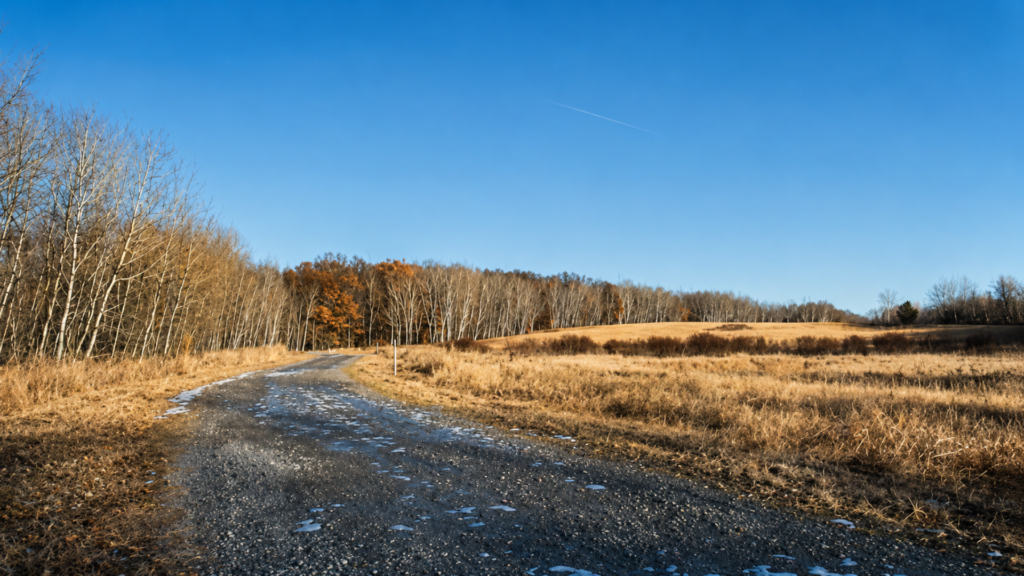
Previous tracking patterns provide crucial parameters for measuring current weather developments. In the winter of 1877, Minnesota recorded an unprecedented seasonal average of 29 degrees Fahrenheit in the Twin Cities. This incredible thermal record remained entirely unbroken for generations until a subsequent super cycle surpassed it recently. This long baseline illustrates that while severe ocean warming cycles are relatively rare, their capacity to alter regional winter averages remains incredibly consistent over centuries.
Modern Supply Chains Shield American Grocery Costs

For ordinary American families, these complex global adjustments primarily impact weekly grocery receipts and regional energy bills. Fortunately, modern agricultural technology actively tracks ocean temperature shifts to safeguard standard food distribution networks. While historical cycles caused widespread starvation, current tracking systems prevent domestic supply shortages. However, families in the southern states should prepare for heavier rainfall patterns, while midwestern households will experience unseasonably mild winter utility bills during this period.
Historic Data Shapes Long Term Climate Preparedness

Long after the current seasonal cycle subsides, the insights gained from analyzing these massive ocean systems will redefine global emergency planning. This returning weather pattern serves as a critical test case for global climate resilience. Decades before the next extreme cycle emerges, engineers and planners are utilizing these observations to reinforce water reservoirs. The current atmospheric adjustments are merely the opening chapter of a much longer struggle to protect human infrastructure against volatile planetary shifts.
PetsFanatic Team
Pet Care Expert & Content Creator
Passionate about sharing knowledge and tips for better pet care. Writing about everything from pet health to training techniques.