
Summer Heat Is Taking a Toll on Millions of Bumblebees. Experts Say These Simple Steps Can Help

If you’ve spotted a sluggish bumblebee on a sidewalk or seen fewer buzzing around your flowers this summer, you’re not imagining things. Scientists say repeated heatwaves are putting growing pressure on bumblebee populations, making it harder for them to fly, find food, and raise the next generation. The good news is that even small actions at home can make a meaningful difference.
Heatwaves Are Already Leaving Their Mark

The Bumblebee Conservation Trust says monitoring has shown noticeable declines following recent periods of extreme heat. After the UK’s record-breaking summer of 2022, populations of several common species dropped sharply, with some falling by as much as 35%. Additional declines were recorded in later years as repeated heatwaves made it harder for colonies to recover, raising concerns that hotter summers could become an ongoing challenge rather than an occasional setback.
Their Bodies Were Built for Cooler Weather

Unlike many insects, bumblebees have thick, furry bodies that help them stay warm in cool climates. That advantage becomes a liability during heatwaves. According to the Bumblebee Conservation Trust, once temperatures reach roughly 28°C to 32°C (82°F to 90°F), bees struggle to cool themselves while flying. If they stop flying, they also stop collecting nectar and pollen, leaving entire colonies with less food.
Heat Hurts the Flowers Too
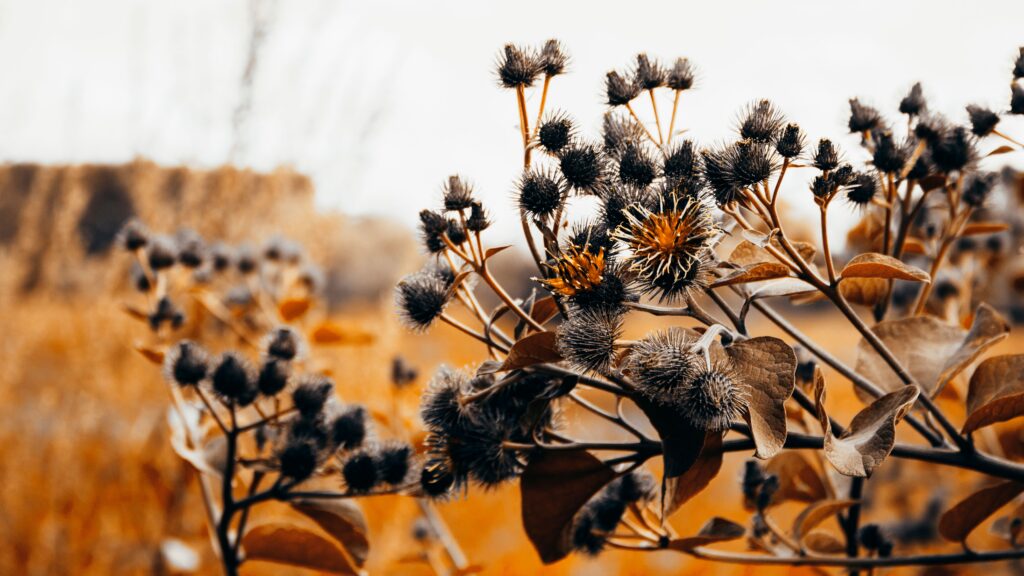
The problem extends beyond overheated bees. Extreme temperatures can dry out flowering plants and even damage pollen itself, making successful pollination more difficult. Research highlighted by BBC Future describes heat as a “pollen killer” for many crops, with temperatures around 32°C (90°F) disrupting the reproductive process in plants such as canola, tomatoes, peas, and lentils. Even when water is available, damaged pollen can mean fewer seeds, fruits, and vegetables.
Why That Matters Beyond Your Garden

Bumblebees are among nature’s most important pollinators, helping countless wild plants and food crops reproduce. When worker bees cannot gather enough nectar and pollen, larvae develop more slowly and colonies may produce fewer new queens for the following year. That creates ripple effects that can reduce pollination in future seasons, making healthy bee populations an important part of long-term food production as well as healthy ecosystems.
Why You Might See More Bees on Sidewalks
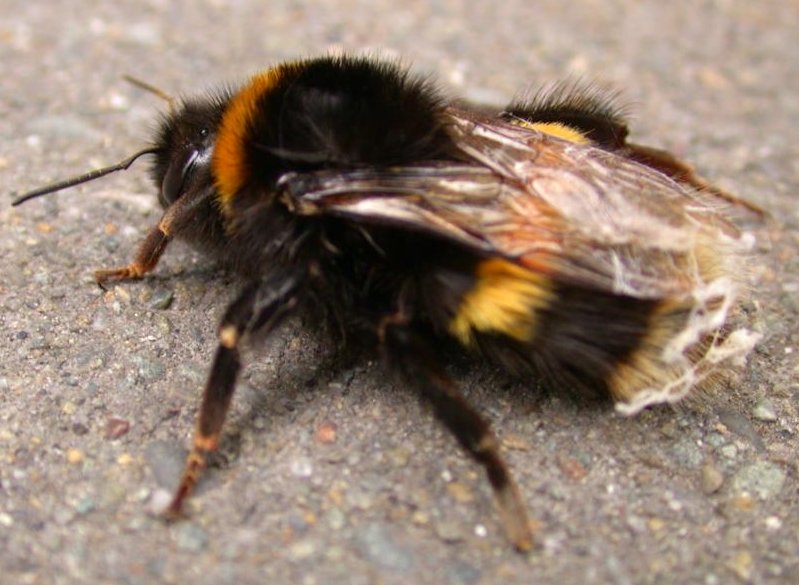
Finding a dead or exhausted bumblebee does not always mean it died from heat alone. The Bumblebee Conservation Trust notes that worker bumblebees naturally live only a few weeks during the active season, and colonies routinely remove dead bees from the nest. However, extreme heat can make survival even harder by reducing flight, increasing thermal stress, and limiting food supplies. Scientists say weather, habitat loss, pesticides, disease, and natural aging can all contribute, making the cause difficult to identify in any single case.
Many People Are Seeing the Same Thing

Across social media, people have been sharing similar experiences this summer. In one Reddit discussion, a user wrote, “I’ve been seeing dozens of dead or dying… bumblebees on the sidewalks.” Another commenter suggested, “It may also be heat. If you’re able to move them to somewhere with water, that might be helpful.” Others pointed to drought, habitat loss, and pesticides, reflecting the same combination of factors scientists continue to investigate.
Small Changes Can Give Bees a Fighting Chance

Experts say homeowners do not need large gardens to help. Planting native flowers that bloom throughout the season provides reliable nectar and pollen when other plants struggle. Even a small pot of native wildflowers on a balcony or doorstep can act as what insect expert Dr. Sarah Beynon describes as a “service station,” giving bees a place to rest and refuel. Adding shade, preserving flowering plants, and creating small water sources nearby can also improve conditions during hot weather.
What To Do If You Find an Exhausted Bumblebee

If you come across a struggling bee on a hot day, experts recommend moving it to a nearby flower or a shaded spot if it is safe to do so. The Conversation also notes that a small amount of sugar water can sometimes revive an exhausted bee, though it should not replace planting flowers that provide natural food. Reducing pesticide use and leaving parts of your yard a little wilder can create safer habitats long after the heatwave passes.
A Few Minutes of Help Can Echo Across a Season

A single flower patch or shallow water dish will not solve climate change, but it can help one more worker bee make it back to its colony. Multiplied across neighborhoods, those small refuges can become connected lifelines during increasingly hot summers. As heatwaves become more common, the future of bumblebees may depend not only on conservation projects, but also on thousands of ordinary people deciding to make a little extra room for pollinators.
PetsFanatic Team
Pet Care Expert & Content Creator
Passionate about sharing knowledge and tips for better pet care. Writing about everything from pet health to training techniques.