
This Striking Shorebird Was Nearly Wiped Out. Now It’s Making a Remarkable Comeback

By the early 1900s, one striking coastal bird had nearly vanished from New England entirely. Hunters and egg collectors had wiped out much of its population along the shore. Today, that same bird is showing up on beaches again in growing numbers. The American oystercatcher, known for its bright orange bill and sharp cry, spent decades fighting for survival. A massive, coordinated rescue effort helped turn that decline around, and the results are now clear.
Scientists Chased Chicks Across a Beach to Save Their Future
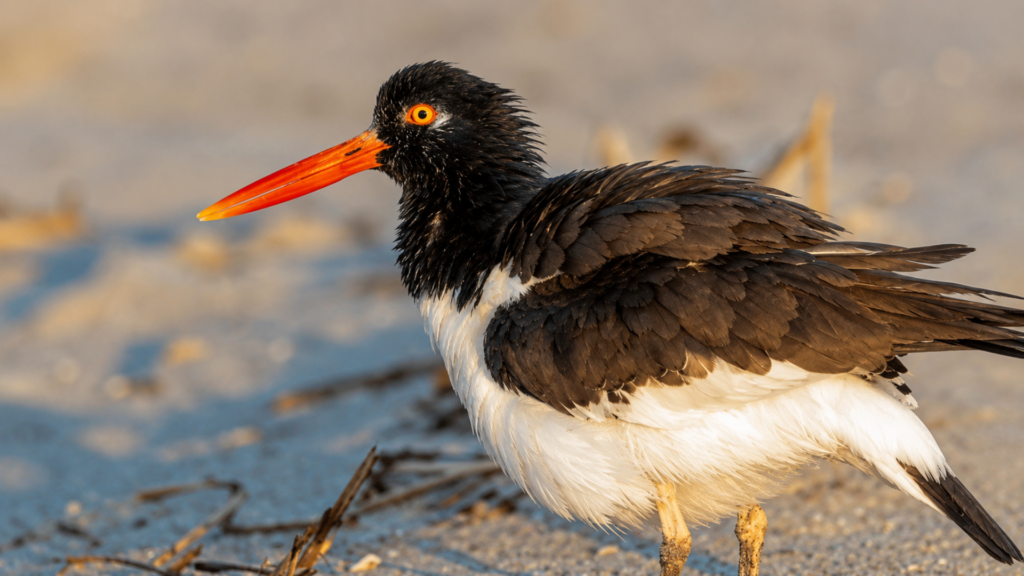
On a Rhode Island beach, a team of biologists recently crept up on two oystercatcher chicks with nets in hand. One chick darted into a salt pond. The other took flight, sending researchers running down a mile and a half of sand to catch up. “There is a problem. They can fly,” said Alan Kneidel, a senior conservation biologist with Manomet Conservation Sciences. Eventually, the team caught both birds and gently placed bands on their legs for tracking.
A Ten Year, $10 Million Effort Changed the Bird’s Fate

This wasn’t a small, local project. Thirty-five coastal organizations across 16 states raised roughly $10 million over the course of a decade to help the species recover. Much of that money went toward teaching beachgoers about the bird and protecting its nesting sites from predators and pets. That kind of sustained, wide-reaching effort is unusual in conservation work, and it appears to be paying off in a measurable way.
The Numbers Tell a Genuinely Rare Success Story

Between 2008 and 2023, oystercatcher numbers grew by 45% along the Atlantic and Gulf coasts. That growth stands out sharply against a troubling trend elsewhere. A 2023 study found that most shorebird populations across North America are actually declining. “It’s amazing and it’s a great conservation success story,” said Maureen Durkin, a federal wildlife biologist who led the recent banding effort in Rhode Island. Few shorebird stories carry this kind of good news right now.
Researchers Found the Real Problem Was Baby Birds Dying Young
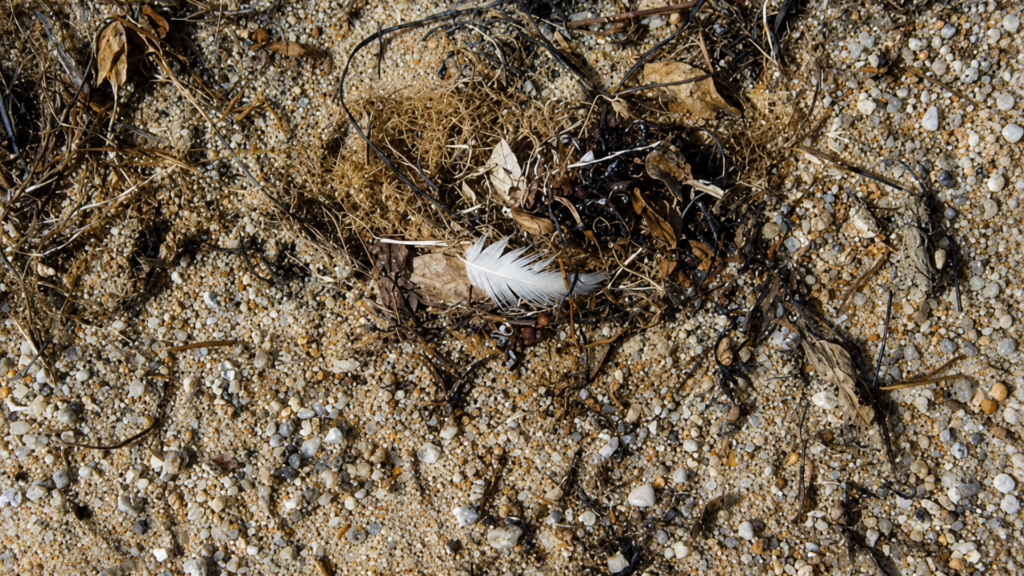
Figuring out how to help the species meant first understanding exactly what was hurting it. Kneidel explained that chick survival turned out to be the biggest factor driving the population’s earlier decline. Conservation groups then built individual plans tailored to each location’s specific threats. “At one site, it might be recreational disturbance, at another site it might be predators,” Kneidel said, describing how differently the danger could look from beach to beach.
Simple Fences and Signs Made a Real Difference
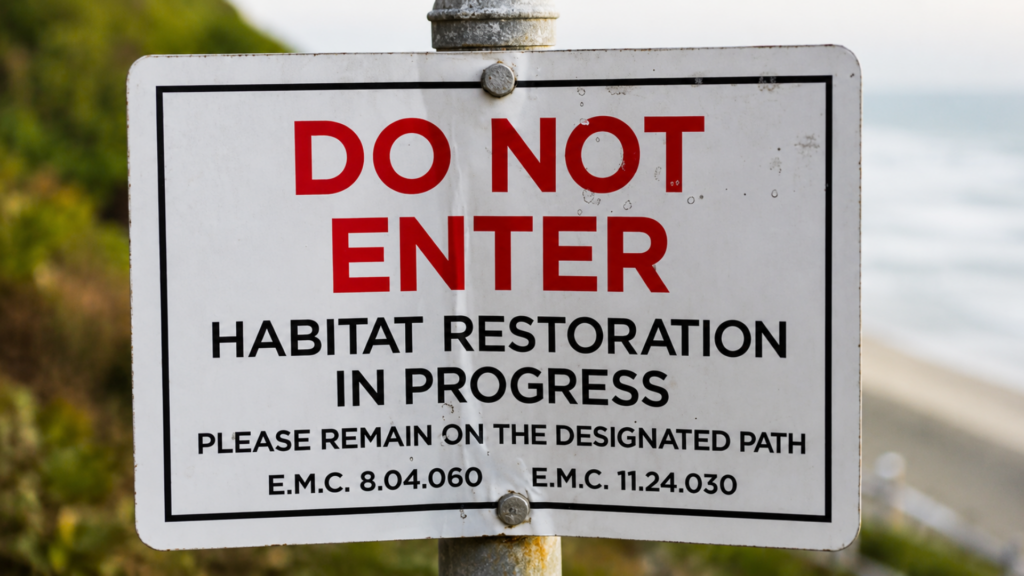
Some of the most effective solutions turned out to be surprisingly low-tech. On Martha’s Vineyard, a seasonal fence made of chicken wire now keeps skunks and raccoons away from key nesting areas. Colorful signs educate beachgoers about the birds sharing their sand. Wildlife biologist Luanne Johnson, founder of the nonprofit BiodiversityWorks, said the island has seen its breeding pairs grow by 77% since 2009. Sometimes the fix is smaller than the problem it solves.
Protecting One Bird Ended Up Helping Another Too

Oystercatchers have gotten an unexpected boost from federal protections meant for a different bird entirely. Piping plovers, a threatened shorebird species, nest in some of the same areas. During their nesting season, vehicles and dogs face limits or outright bans near those beaches. That protection extends naturally to oystercatchers nesting nearby, showing how conservation efforts for one species can quietly benefit others sharing the same habitat.
These Birds Have Proven Surprisingly Adaptable to Change

Ted Simons, a retired professor at North Carolina State University who has studied the birds since 1995, points to their flexibility as a key strength. He noted oystercatchers have been found nesting on rooftops in the United States, while related species in Europe nest in pastures and eat worms. One pair was even discovered nesting inside a bus station pothole in Iceland. “These birds are incredibly adaptive,” Simons said, crediting that trait for much of their comeback.
Rising Seas Now Threaten the Progress Already Made

Despite the encouraging numbers, new dangers are emerging. Climate change is driving rising seas and erosion that wash out nests directly. In response, Georgia has built elevated nesting platforms made of oyster shells, while North Carolina groups are restoring shell beds along the Cape Fear River. “Climate change, sea level rise, it’s a big challenge not only for oystercatchers but for all kinds of interests on the coast,” said Lindsay Addison, a coastal biologist with Audubon North Carolina.
A Comeback Story Now Faces a New Kind of Test

Go back to that image of a bird nearly wiped out a century ago, now flying free across a Rhode Island beach. Recent changes to the Endangered Species Act could complicate that progress, potentially opening protected habitats to drilling, mining, and development. Environmental groups have already sued to block the changes. “It’s a direct attack on the protections that have allowed many of these shorebird species to recover,” Kneidel said. Whether this recovery holds may depend on what happens next.
PetsFanatic Team
Pet Care Expert & Content Creator
Passionate about sharing knowledge and tips for better pet care. Writing about everything from pet health to training techniques.