
Stray Dog Solved Years-Old Mystery After Staffs Found a Microchip On Its Body

After wandering as a stray for two years, an 11-year-old dog named Mamay recently found her way to the Humane Society of Broward County in Florida. What seemed like another routine intake became an emotional reunion story when shelter workers discovered something crucial during their standard examination. The tiny device beneath Mamay’s skin would unlock a mystery that had haunted one family for years.
During the intake process, staff members scanned Mamay and found she was microchipped. This discovery set off a determined search to locate her registered owner. After several attempts, workers finally reached Kathleen, Mamay’s longtime owner, who had been searching for her missing companion. The phone call would change everything for both the grieving pet owner and her lost dog.
To confirm Mamay’s identity beyond the microchip data, Kathleen mentioned a distinctive heart-shaped mark on the dog’s back. Shelter staff verified this unique marking, removing any doubt about the match. The emotional confirmation meant that after 730 days of separation, Mamay would finally return to the family who never gave up hope of finding her.
An Emotional Homecoming

Kathleen, who is currently battling cancer, traveled to the Fort Lauderdale shelter to retrieve her long-lost companion. According to CBS Miami, the reunion was deeply emotional for everyone present. The shelter staff witnessed firsthand how powerful the bond between humans and their pets truly is, especially after such a lengthy separation.
When Mamay arrived home, she was greeted by multiple family members who had missed her presence. The grandchildren, who had grown older during Mamay’s absence, were particularly overjoyed to see their beloved pet again. The reunion brought comfort to a family dealing with difficult circumstances, proving that hope can survive even the longest waits.
The Humane Society of Broward County confirmed that Mamay will spend her remaining years surrounded by the love and care of her family. For an 11-year-old dog, being reunited with familiar faces and a comfortable home provides the peace and security every senior pet deserves after such an ordeal.
The Life-Saving Power of Microchips

Research shows that microchipped dogs are returned to their owners at approximately 52 percent, compared to just 22 percent for dogs without chips, according to the AVMA. For cats, the difference is even more dramatic, with about 38 percent of microchipped cats reunited with families versus less than 2 percent without microchips. These statistics demonstrate why this simple procedure matters so much.
Despite the proven benefits, only an estimated 5 to 8 percent of stray animals entering U.S. shelters have microchips, though adoption rates are gradually increasing. The Humane Society of Broward County offers microchipping services at their clinic Monday through Saturday for $25 plus tax, with no appointment necessary. This affordable option could mean the difference between permanent loss and eventual reunion.
Mamay’s story isn’t unique. In Missouri, Stray Rescue of St. Louis used a microchip to reunite a lost dog with his owner, who exclaimed he couldn’t even think about work after getting the news. Meanwhile, in the United Kingdom, a cat named Felix was found six years after disappearing in 2019, reunited with his family thanks to his registered microchip.
Small Chip, Enormous Impact
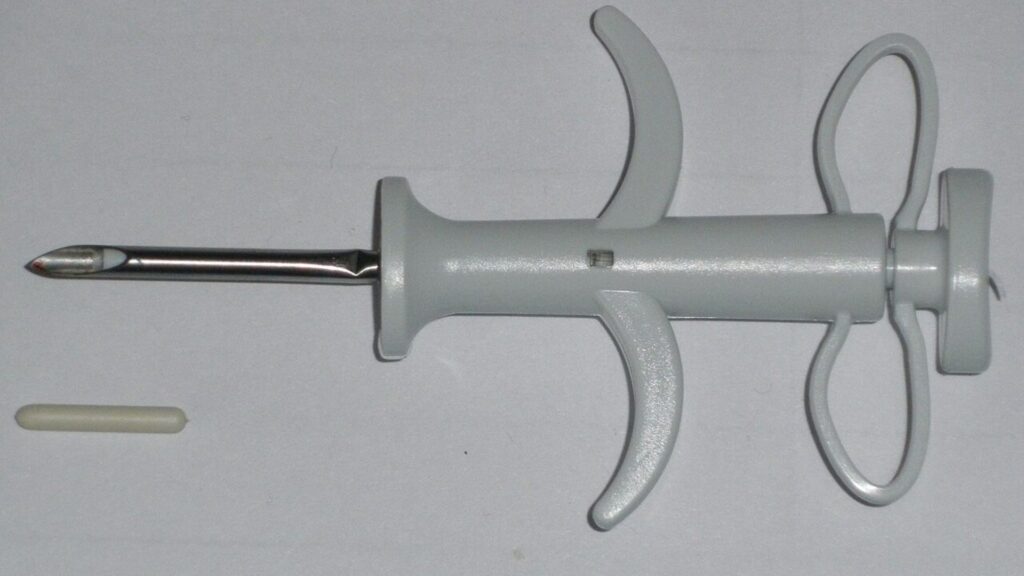
A microchip is roughly the size of a grain of rice and is inserted between a pet’s shoulder blades. The chip contains a unique identification number linked to the owner’s contact information in a national database. When shelters scan incoming strays, they can immediately access this data and begin the reunion process, turning what could be a permanent loss into a temporary separation.
However, having a microchip isn’t enough on its own. Pet owners must register the chip and keep their contact information current in the database. Unregistered or outdated chips become useless numbers that can’t connect lost pets with their families. Shelters frequently encounter animals with microchips that lead nowhere because owners moved or changed phone numbers without updating their records.
The Humane Society of Broward County emphasizes that microchipping plays a critical role in reuniting families with lost pets, even years after they disappear. For Kathleen and Mamay, a small chip inserted years ago became the bridge that brought them back together during one of life’s most challenging times. Their story serves as a powerful reminder that preparation and hope can overcome even the longest odds.
PetsFanatic Team
Pet Care Expert & Content Creator
Passionate about sharing knowledge and tips for better pet care. Writing about everything from pet health to training techniques.