
Strange and unexpected alliances between animal species are transforming what we know about animal intelligence

For decades, animal behavior was mostly explained through competition and survival. New scientific observations now point to a richer reality. Across oceans, savannas, and forests, different species are forming cooperative relationships that reshape how researchers understand intelligence, communication, and social behavior in the natural world.
Rewriting the rules of animal interaction
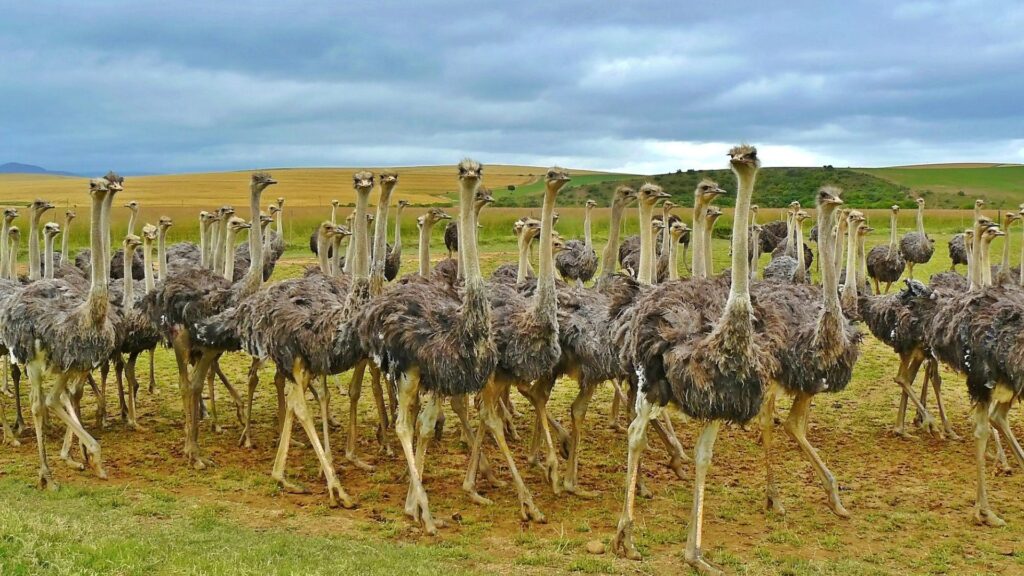
In many ecosystems, interactions between species were traditionally reduced to predator and prey dynamics. Recent studies reveal that cooperation can be just as influential. These alliances suggest that intelligence does not evolve solely within a species, but can also emerge through shared goals and mutual advantage between very different animals.
A reef partnership that caught scientists by surprise
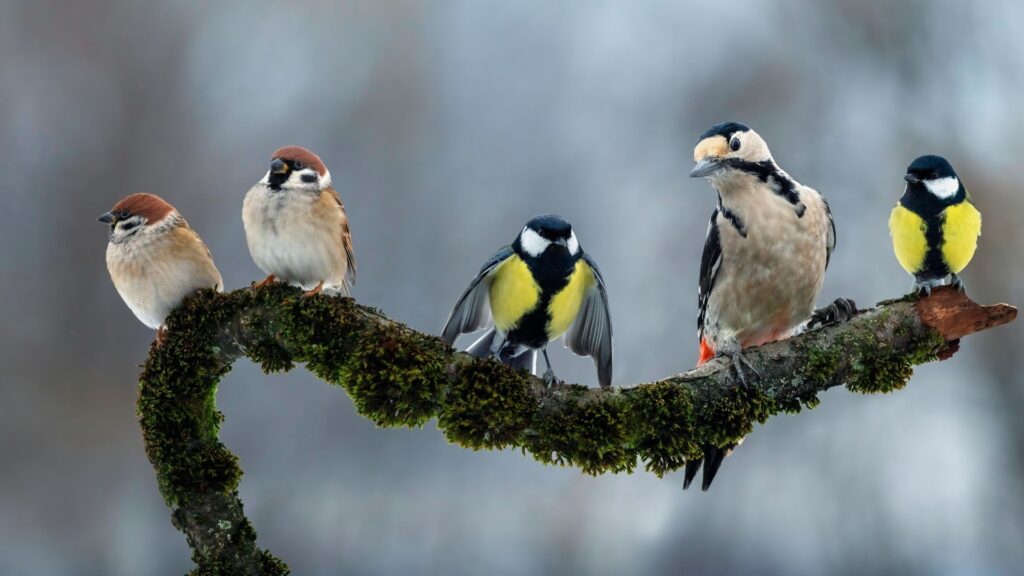
While studying coral reefs, researchers documented an unexpected hunting partnership between a day octopus and a coral trout. Moving in close coordination, the octopus explores narrow crevices while the fish patrols open water. Together, they capture prey more efficiently than either could achieve alone.
Different skills, one shared objective
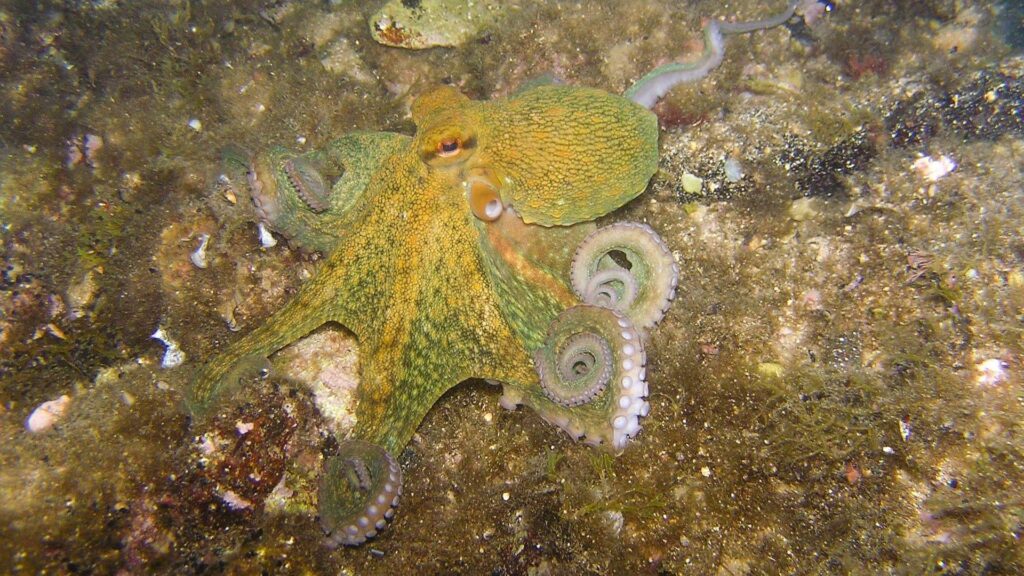
The success of this partnership lies in complementary abilities. The octopus relies on flexible arms and problem-solving skills to flush prey from hiding places. The fish contributes speed and precision, striking quickly when prey is exposed. This division of labor shows how cooperation can amplify individual strengths.
Cooperation beyond the ocean

Remarkable alliances are also found on land. In parts of Africa, greater honeyguide birds lead humans to bee nests using calls and flight patterns. After humans harvest the honey, the birds feed on leftover wax and larvae. This relationship depends on learned signals and repeated interactions across species.
When trust and trickery coexist

Some partnerships mix cooperation with opportunism. Fork-tailed drongos often warn meerkats of approaching predators, acting as vigilant sentinels. At times, the birds give false alarms to steal food. Despite this, the relationship continues because both sides still benefit overall.
Underwater cleaning deals

Cleaner wrasse provide another example of strategic cooperation. These fish remove parasites from larger marine species at specific cleaning stations. Client fish wait patiently, yet they may abruptly leave if cleaners cheat by biting protective mucus. This behavior reflects decision-making and an ability to evaluate fairness.
Rethinking octopus and fish teamwork

For years, scientists believed fish simply followed octopuses to take advantage of disturbed prey. New tracking technologies reveal a more interactive relationship. Research published in 2024 shows fish actively signaling prey locations, while octopuses respond with targeted hunting movements.
Signals, discipline, and social flexibility
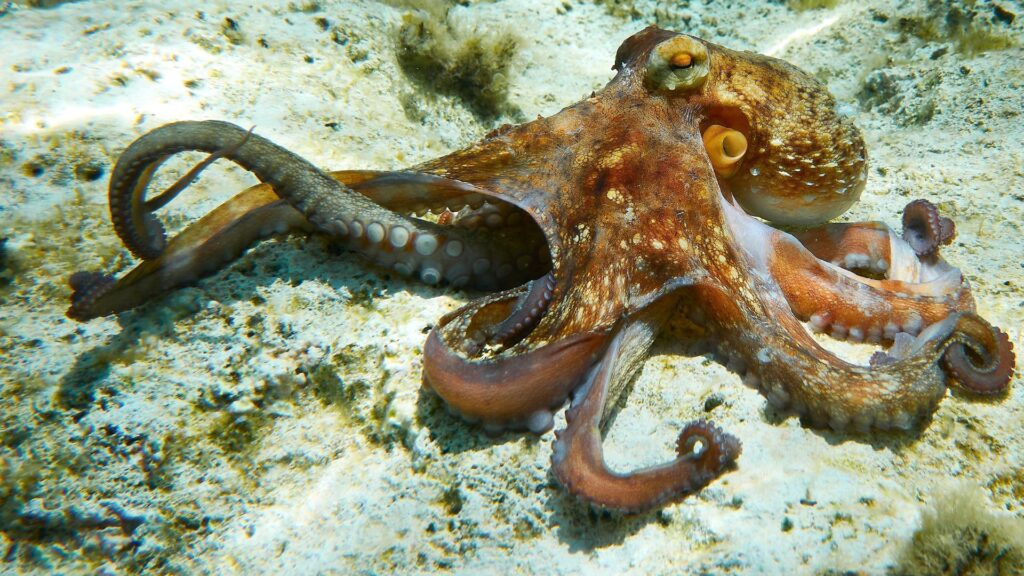
Communication plays a key role in these hunts. Fish use body postures to indicate hidden prey, and octopuses have been observed pushing or striking partners that fail to cooperate. Although octopuses are usually solitary, these interactions reveal notable social adaptability.
Why these alliances work

Several conditions support cross-species cooperation. Shared diets encourage collaboration, while complex environments like coral reefs make teamwork more effective than hunting alone. Cognitive flexibility allows animals to adjust behavior in real time, and overlapping activity periods enable visual communication.
Expanding the idea of animal intelligence

These findings challenge the idea that advanced cognition develops only within social groups of the same species. Cross-species alliances show that intelligence can emerge wherever cooperation offers clear benefits. Ongoing research, including experiments with robotic fish, aims to further decode these interactions and broaden how science understands animal intelligence.
PetsFanatic Team
Pet Care Expert & Content Creator
Passionate about sharing knowledge and tips for better pet care. Writing about everything from pet health to training techniques.