
Stranded Whale ‘Timmy’ Dies After Controversial Rescue Effort Sparked Global Attention

The story of Timmy, a stranded humpback whale found in German waters, captured worldwide attention for months. What began as a heartbreaking rescue mission soon evolved into a larger debate about animal welfare, ethics, and the limits of human intervention. As millions followed the whale’s condition through livestreams and media coverage, experts continued warning that Timmy’s deteriorating health made survival unlikely. His death shortly after an expensive rescue operation has now raised difficult questions about whether the effort truly served the whale’s best interests.
A Whale Far From Home

Timmy was first discovered stranded along Germany’s Baltic coast in March, far from the North Sea where humpback whales are typically found. The young whale appeared severely weakened and carried visible injuries, including cuts believed to have been caused by a ship collision. Fishing gear was also wrapped around parts of his body, adding to concerns about his condition. As images and livestreams spread online, the whale quickly became the focus of global sympathy.
Rescue Attempts Quickly Became Complicated

Early efforts to refloat Timmy proved unsuccessful. Heavy machinery, including excavators and dredgers, was used several times to guide him back into deeper water, but the whale repeatedly became stranded again in nearby areas. Each failed attempt highlighted how fragile his physical state had become. Experts explained that once a large whale becomes trapped in shallow waters, survival chances decline rapidly with every passing day.
A Rare And Unprecedented Situation

Marine specialists described Timmy’s case as highly unusual because the whale stranded multiple times over several weeks while being constantly monitored by the public. A 24-hour livestream allowed people around the world to watch his condition in real time. According to researchers at the German Oceanographic Museum, the situation represented “uncharted territory” due to the prolonged and highly visible nature of the event.
The Physical Toll Of Stranding

Whales are built to live in water, where buoyancy supports the enormous weight of their bodies. When stranded on land or shallow sandbanks, that support disappears. Specialists warned that Timmy’s internal organs were likely under immense pressure from his own body weight. The low-salinity Baltic waters may also have damaged his skin, while prolonged exposure to sunlight increased the risk of severe sunburn and dehydration.
Signs Of Possible Suffering
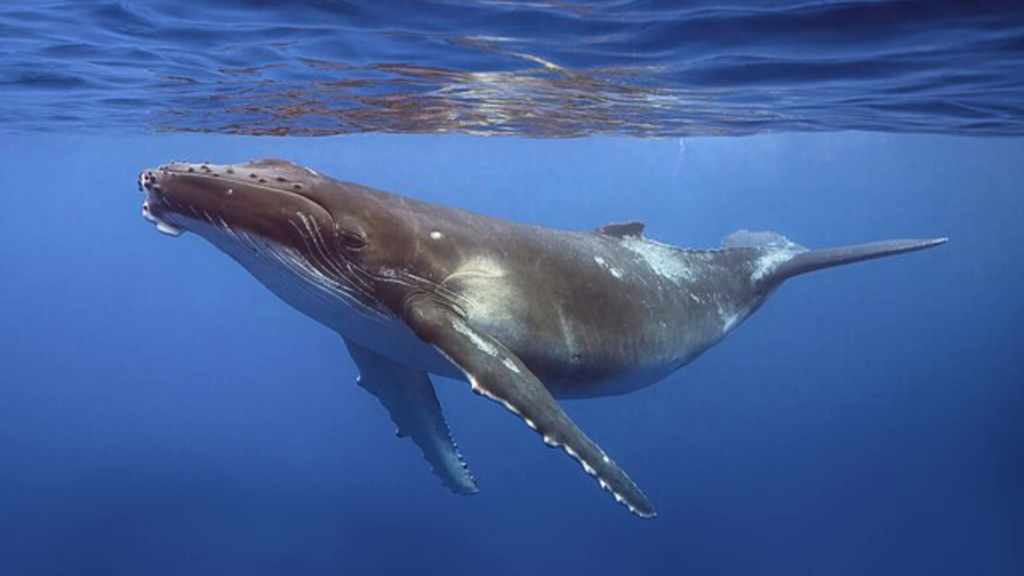
During the rescue operation, observers reported hearing low-frequency vocalizations from Timmy while he was being transported on a water-filled barge. Scientists still do not fully understand the meaning behind these sounds, but some experts suggested they may have reflected stress or discomfort. Because humpback whales possess complex nervous systems similar to those of other mammals, researchers acknowledged the possibility that the animal experienced significant pain throughout the ordeal.
A Multimillion-Dollar Rescue Mission

Despite repeated warnings from marine specialists, the rescue effort moved forward after wealthy donors reportedly contributed around €1.5 million to fund the operation. Timmy was carefully transferred onto a large barge filled with water and then pulled by tugboats toward the open sea near Denmark. On May 2, he was finally released back into deeper waters, an emotional moment celebrated by many people following the story online.
Scientists Strongly Opposed The Operation

Not everyone supported the decision to continue the rescue. Several marine scientists and stranding experts argued that Timmy’s condition was already too severe for recovery. Members of the International Whaling Commission reportedly described the operation as inadvisable due to concerns about both animal welfare and human safety. Some wildlife researchers believed euthanasia would have been the more humane option, even though the decision would have been emotionally difficult for the public to accept.
Public Emotion Influenced The Outcome

As media coverage intensified, pressure grew on authorities to attempt a dramatic rescue. Many people hoped to see Timmy successfully returned to the ocean, turning the whale into a symbol of survival and compassion. Experts acknowledged that emotional reactions are understandable when dealing with such intelligent and majestic animals. Still, some argued that public hope may have overshadowed realistic medical assessments about the whale’s chances of survival.
Comparisons To The Story Of Free Willy

Timmy’s story reminded many wildlife experts of Keiko, the real orca that inspired the film Free Willy. In both cases, large sums of money were invested in ambitious rescue and relocation efforts driven by public emotion. Keiko’s release ultimately failed, as the whale struggled to adapt to life in the wild before dying the following year. Researchers now see clear similarities between the two stories, particularly regarding the challenges of returning compromised whales to natural environments.
A Difficult Lesson About Animal Welfare
Timmy’s death has reignited conversations about how humans should respond when wild animals are suffering. Conservation experts argue that compassion alone cannot guide these decisions, especially when medical evidence points toward irreversible decline. Many now believe the tragedy should serve as a reminder that protecting animal welfare sometimes means accepting painful realities rather than pursuing heroic outcomes. While millions cared deeply about Timmy’s fate, his story may ultimately become a cautionary example about balancing emotion, ethics, and science.
PetsFanatic Team
Pet Care Expert & Content Creator
Passionate about sharing knowledge and tips for better pet care. Writing about everything from pet health to training techniques.