
Campers Prompt Midnight Mountain Rescue Amid Predator Concerns
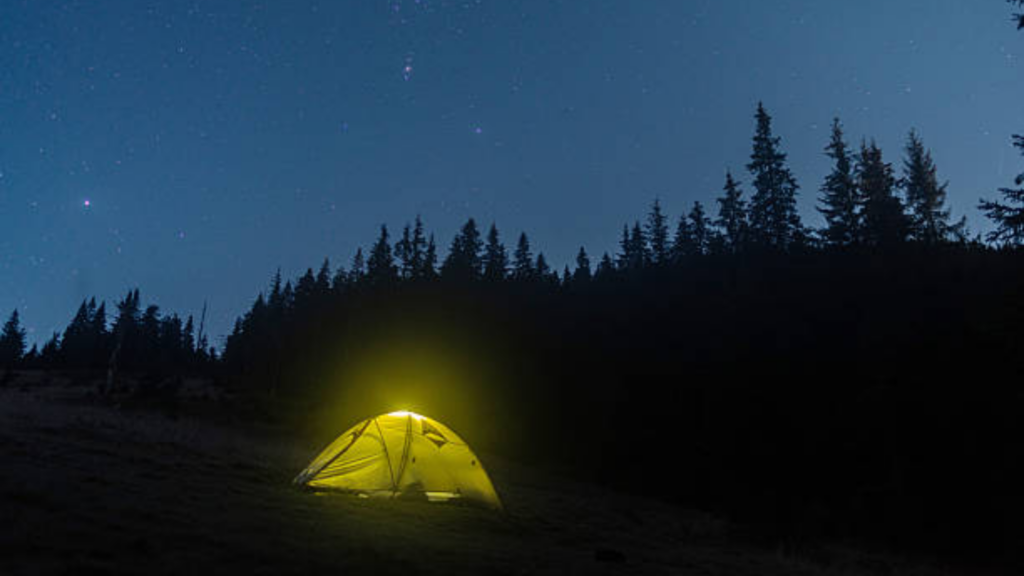
Imagine sitting in a thin nylon tent at 10,500 feet while a silent predator circles your campsite in the pitch black of a Colorado night. This terrifying scenario became a reality for two campers at St. Mary’s Glacier on April 2, 2026. What began as a peaceful alpine getaway quickly spiraled into a high altitude emergency as the pair realized they were not alone. Their survival instincts kicked in as the temperature began to plummet.
The campers reported seeing what they believed was a mountain lion stalking their position around 10 p.m. on a Thursday. In a desperate move to find a cell signal, one individual braved the elements to reach the trailhead while the other stayed behind to guard the gear. This separation added a layer of extreme risk to an already volatile situation. As the wind howled across the Arapaho National Forest, the true nature of the threat remained hidden.
Local authorities received the distress call and immediately realized the gravity of the situation. St. Mary’s Glacier is famous for its beauty, but the rugged terrain is notoriously difficult to navigate after dark, especially during the spring thaw. The Clear Creek County Sheriff’s Office had to mobilize quickly to reach the stranded pair before the mountain cold could do more damage than any animal. The rescue team knew that every passing minute increased the danger significantly.
A Treacherous Trek Through Frozen Terrain

Sgt. Aab and Deputy Bertrand spearheaded the rescue operation by loading an all terrain vehicle for the initial ascent. They met the first camper at the parking lot and pushed the vehicle to its absolute limits on the steep, icy paths. Eventually, the trail became too narrow and rocky for wheels, forcing the team to continue their mission on foot. They stepped out into a world of biting wind and deep, unforgiving snow drifts.
The rescuers hiked a mile through the darkness, using powerful flashlights to scan the treeline for glowing eyes. Navigating rocky slopes at high elevation is exhausting work, especially with the added pressure of a potential predator lurking nearby. The deputies remained vigilant, knowing that mountain lions are masters of camouflage and surprise. Their primary goal was to reach the second camper who was still huddled alone inside a tent, waiting for any sign of help.
The midnight trek was a grueling test of endurance against the elements. Snow covered the sharp rocks, making every step a potential injury risk for the deputies and the guided camper. Despite the freezing conditions and the psychological weight of the stalking reports, the team pushed forward. They finally located the campsite, where the second individual was found physically unharmed but deeply shaken by the night’s events. The next challenge was the long journey back.
The Biological Mystery of the St. Mary’s Predator

Once the group was reunited, the deputies used noise and lights to clear the area of any lurking wildlife. While the campers were certain a large cat had been hunting them, Colorado Parks and Wildlife officials later raised questions about the animal’s identity. They noted that it is highly unusual for a mountain lion to openly stalk a campsite. Such bold behavior rarely fits the profile of these elusive and typically solitary mountain hunters.
Experts suggested that the perceived mountain lion might actually have been a much smaller animal, such as a curious fox. In the distortion of moonlight and shadows, a small scavenger can easily be mistaken for a massive predator. However, the fear felt by the campers was very real, and the sheriff’s office treated the threat with total seriousness. Whether it was a lion or a fox, the presence of any animal created a genuine crisis.
Environmental conditions at St. Mary’s Glacier in early April are enough to disorient even experienced outdoorsmen. With temperatures dropping well below freezing and gusty winds obscuring tracks, identifying wildlife becomes an impossible task. The incident highlights the thin line between a peaceful night under the stars and a fight for survival in the wilderness. It also raises important questions about how humans perceive danger when they are isolated in the heart of nature.
Lessons From the Edge of the Glacier

The rescue concluded successfully as the team escorted both campers back to the safety of the trailhead. No injuries were reported, but the ordeal serves as a stark reminder of the unpredictability of the Colorado backcountry. Even popular destinations can become death traps when weather and wildlife concerns converge. Preparation involves more than just bringing a tent: it requires an understanding of the environment and the creatures that call these high peaks their home.
Authorities emphasized that the campers did the right thing by calling for help when they felt their lives were in jeopardy. While the predator’s identity remains a mystery, the cold was a confirmed and deadly threat. This event has sparked fresh discussions among local hikers about the necessity of carrying satellite communication devices and bear spray. Safety in the wilderness is never guaranteed, and respect for the mountain’s power is the best tool any hiker can carry.
As more people head into the mountains this season, the story of the St. Mary’s rescue lingers as a cautionary tale. It forces us to wonder how we would react if the shadows began to move outside our own tents. Are we truly prepared for the psychological toll of the wild, or are we just visitors in a world we don’t fully understand? The silence of the glacier holds the answer, waiting for the next group of travelers.
PetsFanatic Team
Pet Care Expert & Content Creator
Passionate about sharing knowledge and tips for better pet care. Writing about everything from pet health to training techniques.