
Smithsonian Hatches 4 Rare Chicks to Help Save a Species With Only 125 Left
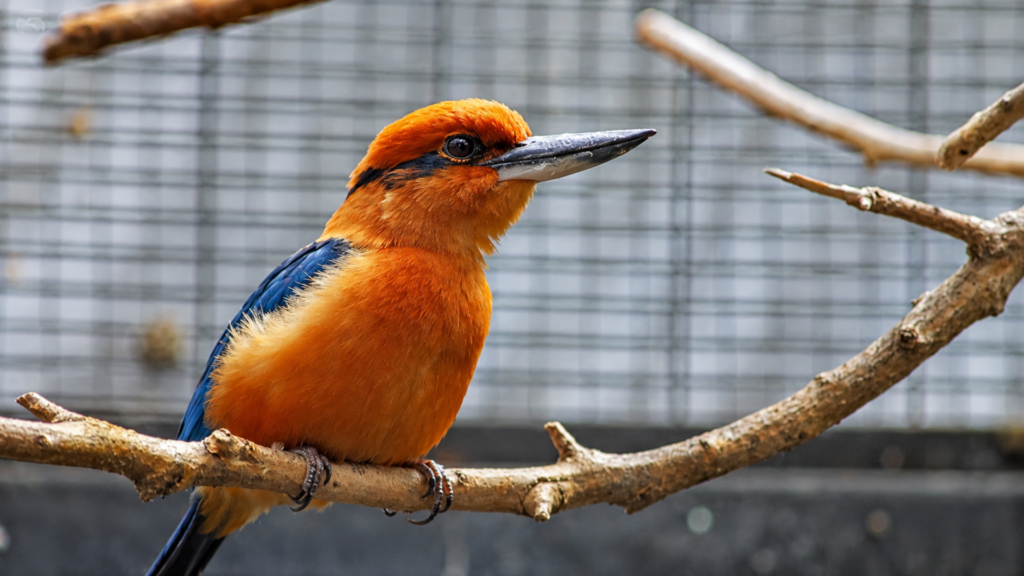
Imagine the thrill of knowing you’ve just saved a life — now magnify that by four, and you begin to understand the quiet euphoria pulsing through the labs of the Smithsonian Conservation Biology Institute. Erica Royer watched intently as a tiny, fragile egg nestled inside a specialized incubator began to wiggle and crack, signaling a historic victory for global wildlife preservation. The veteran aviculturist has spent years directing intensive avian breeding operations at the quiet, high security campus located in Front Royal, Virginia. Her hands on oversight during this delicate spring incubation cycle successfully brought four critically endangered Guam kingfisher chicks into the world, injecting vital momentum into a federal rescue mission.
The successful arrivals were documented by Smithsonian Magazine and verified through official multi agency announcements published during the final week of May 2026. According to institutional data logs, a female chick emerged on April 12, followed closely by a male sibling on April 14, while two subsequent hatchlings surprised keepers by emerging on May 27 and May 28. The four births were achieved by a single, highly territorial breeding pair named Poki and Antonio, matching the institute’s all time seasonal reproductive record.
The immediate demographic impact of these four births is monumental for a fragile avian population that currently numbers only about 125 living individuals across the entire planet. That total global count represents a fraction of the population density found in a single typical suburban American neighborhood park, illustrating the severe biological bottleneck threatening the animal. Because every single surviving bird is descended from just 29 original ancestors captured decades ago, each new hatchling is vital to preventing irreversible genetic decay.
When Invasive Predators Erase an Entire Avian Lineage From the Pacific Grid

The underlying biological catastrophe that necessitated this multi decade federal captive breeding operation traces back to structural failures in international military cargo biosecurity protocols. Following the chaotic logistics movements of World War II, commercial transport vessels accidentally introduced the highly aggressive, nocturnal brown tree snake to the isolated island of Guam. The invasive reptiles encountered a pristine ecosystem entirely lacking native apex predators, allowing the snake population to skyrocket to densities exceeding 14,000 slithering predators per square mile.
The sudden, unchecked proliferation of the brown tree snake systematically dismantled the local ecosystem, driving the native bird population into a rapid, catastrophic collapse. By the mid 1980s, the predatory reptiles had completely wiped out the Guam kingfisher, known locally as the sihek, across its entire native geographic range. To prevent absolute extinction, federal biologists initiated an emergency rescue sweep to capture the final 29 wild individuals, transferring the remaining genetic fragments into highly secure mainland laboratories.
The total loss of the wild sihek population severely fractured the cultural identity and daily environment of the Indigenous Chamorro people of Guam, who viewed the vibrant blue and orange birds as sacred ancestral helpers. Without the birds to provide essential insect control, local families watched agricultural fields become completely overrun by swarms of destructive lizards and native crop pests. This environmental decay passes directly down to modern dinner tables, forcing remote Pacific territories to spend millions of dollars annually on imported foods.
Navigating Territorial Aggression and Technical Failures in Controlled Habitats
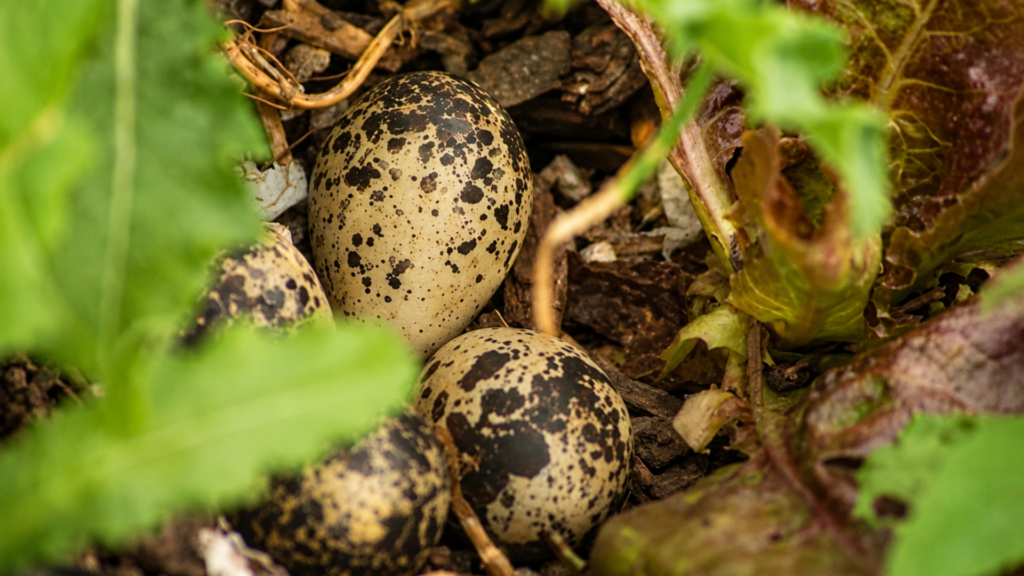
Rebuilding an entirely extinct in the wild avian population inside isolated mainland research centers has subjected zoological staff to extreme behavioral challenges and high rates of reproductive failure. The sihek is an exceptionally aggressive, fiercely territorial species, meaning that forcing unfamiliar adults into shared enclosures frequently results in violent corporate combat rather than successful mating. During the prior breeding season, Poki and Antonio actively rejected one another, forcing keepers to install physical privacy barriers to prevent lethal territorial coordination failures.
To overcome the severe parenting inexperience of the young couple, the Virginia husbandry team was forced to deploy an intensive, highly synchronized artificial incubation protocol. Staff members manually turned the delicate, translucent eggs seven times every single day to mimic natural nesting movements while monitoring embryo development via advanced candling technologies. The caretakers simultaneously tricked the adult birds into developing basic nesting behaviors by replacing the active eggs with heavy, plaster filled dummy duplicates.
“Every additional individual is incredibly valuable,” U.S. Fish and Wildlife Service biologist Megan Laut stated in an official release detailing the severe genetic constraints facing the ongoing recovery project. “This was their first time caring for their eggs, and it is anticipated that it may take a few more attempts for the birds to mature their skills and successfully hatch and rear chicks.”
A High Stakes Island Reintroduction Alters Global Security Baselines

The recent reproductive triumph in Virginia marks a permanent, structural evolution for the international Sihek Recovery Program, which has expanded into an ambitious multi continent reintroduction initiative. In a groundbreaking field trial, conservationists successfully released nine captive bred kingfishers onto the remote, predator free ecosystem of Palmyra Atoll, located thousands of miles away from invasive snake corridors. Tracking data confirms that all nine pioneering individuals have survived, with multiple pairs actively constructing soft bark nests in local trees.
This geographic diversification provides a crucial safety net for the global population, protecting the remaining 125 birds from a single catastrophic disease outbreak or facility failure. Historical baseline statistics compiled by the Zoological Society of London show that the species has been completely absent from wild skies for nearly forty years. The successful stabilization of these new lineages gives international scientists unprecedented flexibility when executing the final, long term strategy of returning the birds to a remediated Guam.
The unresolved battle to preserve the remaining fragments of the Guam kingfisher leaves a heavy biological lesson resting upon the shoulders of modern global commerce. As automated climate controls inside the Virginia incubators continue to warm the next generation of fragile embryos, the high baseline costs of historical ecological negligence remain fully visible. Whether these four newborn chicks can successfully seed a permanent wild population or merely delay an inevitable collapse remains an uncomfortably open question. The natural world offers absolutely no guarantees.
PetsFanatic Team
Pet Care Expert & Content Creator
Passionate about sharing knowledge and tips for better pet care. Writing about everything from pet health to training techniques.