
Shocking Discovery Uncovers 7,000-Year-Old Mummies With Zero Known Human DNA
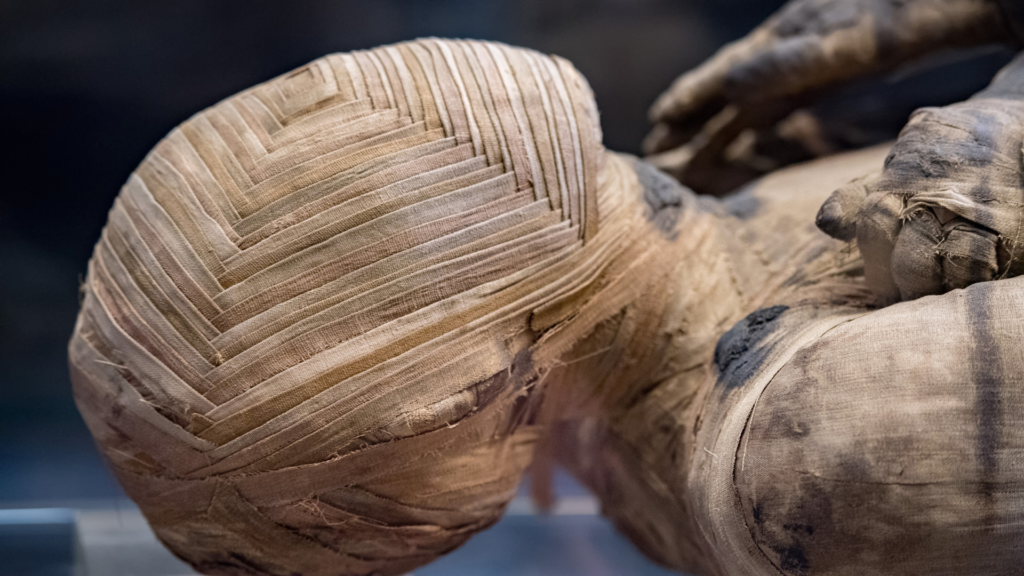
Archaeogeneticists have uncovered two remarkably old mummies in the Sahara Desert, preserved remains of women who lived about 7,000 years ago, that appear to belong to a human population with a distinct genetic lineage not seen in any modern population, presenting new clues about human diversity in prehistoric North Africa. Found at the Takarkori rock shelter in southwestern Libya, the Neolithic herders lived during the African Humid Period, a time when the Sahara was a fertile landscape with lakes and grasslands instead of the hyper-arid desert seen today. Ancient DNA recovered from their remains showed a genetic profile that does not match sub-Saharan or other known human populations, suggesting these individuals belonged to a deeply divergent lineage that later disappeared from the human gene pool.
Ancient Sahara Was Once Green

More than 10,000 years ago, the vast Sahara region experienced a much wetter climate known as the African Humid Period, during which rivers, grasslands and forests supported human settlements and wildlife, making it possible for pastoralist groups like those at Takarkori to thrive. The women whose mummies were found lived in this greener epoch, herding animals and inhabiting what was then a hospitable environment that would later dry into desert. Their remains, naturally preserved by arid heat, provide a rare look at life in a vastly different ancient climate.
DNA Didn’t Match Modern Groups
Genomic analysis revealed that the Takarkori individuals’ DNA did not reflect the expected genetic patterns of sub-Saharan Africans or other known ancient groups, instead showing affiliation with an unknown North African lineage that diverged from other human populations long before many of today’s groups evolved. This ancient genetic branch appears not to have contributed significantly to the heritage of people today, meaning their unique DNA signature effectively vanished over thousands of years.
Relationships to Other Ancient Peoples

Although the Takarkori lineage is distinct, researchers note that it shares some distant links with earlier North African populations, such as those associated with the Iberomaurusian culture documented at Taforalt Cave in Morocco, suggesting a broad pattern of early human diversification across the region. Still, the divergence of these ancient gene lines highlights that prehistoric populations in Africa were far more genetically varied than previously understood.
Why This Discovery Matters

The finding challenges assumptions about human genetic continuity and migration in Africa, especially in North Africa during periods of climatic change, because it shows that some human groups developed in relative isolation and left little to no trace in the genomes of later populations. This kind of ancient DNA insight helps archaeologists and geneticists refine timelines of human dispersal, adaptation and diversity long before the historical record.
Implications for Population History

The evidence that these 7,000-year-old individuals represent a separate branch of humanity suggests that early human history involved more complex patterns of settlement and genetic mixing, and extinction, than once thought, with some lineages disappearing entirely from the modern gene pool over millennia. This complicates simplistic narratives of human ancestry that assume direct continuity between ancient and modern populations.
Challenges of Ancient DNA Research

Extracting genetic material from remains this old is difficult because DNA degrades over time, especially in hot and dry environments like the Sahara, making these samples especially valuable. Researchers use advanced techniques to recover what fragments remain and compare them to global databases of ancient and modern human DNA, allowing them to identify branches that have no living descendants or close relatives in existing populations.
What Scientists Hope to Learn Next

Future research aims to gather more ancient DNA from other regions of North Africa and nearby areas to map out how widespread this extinct lineage was, whether it interbred with other human groups, and how environmental changes like the Sahara’s gradual desertification influenced migrations, cultural exchange and genetic legacy across North Africa and beyond.
Broader Impact on Human Origins Studies

By highlighting a deeply divergent human lineage that has no direct modern equivalent, this discovery underscores how much remains unknown about ancient human populations and how cultural and climatic shifts shaped the destinies of early groups, offering a more nuanced view of humanity’s complex evolutionary journey.
Discovery of 7,000-year-old Mummies
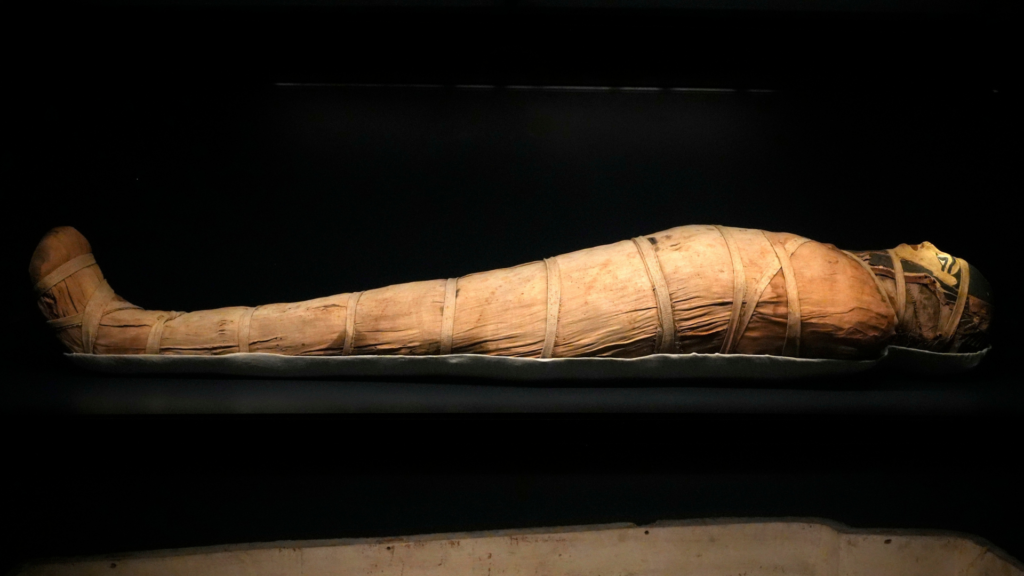
In conclusion, the discovery that 7,000-year-old mummies from the Takarkori rock shelter carry DNA from an ancient and now-extinct human lineage stretches our understanding of prehistoric human diversity and genetic history, revealing that early populations could evolve in isolation and disappear without leaving a clear trace in modern genomes, and highlighting the power of ancient DNA research to reshape what we know about our ancestors and their environments.
PetsFanatic Team
Pet Care Expert & Content Creator
Passionate about sharing knowledge and tips for better pet care. Writing about everything from pet health to training techniques.