
Second ‘Virgin Birth’ in Snake Leaves Animal Experts Searching for Answers
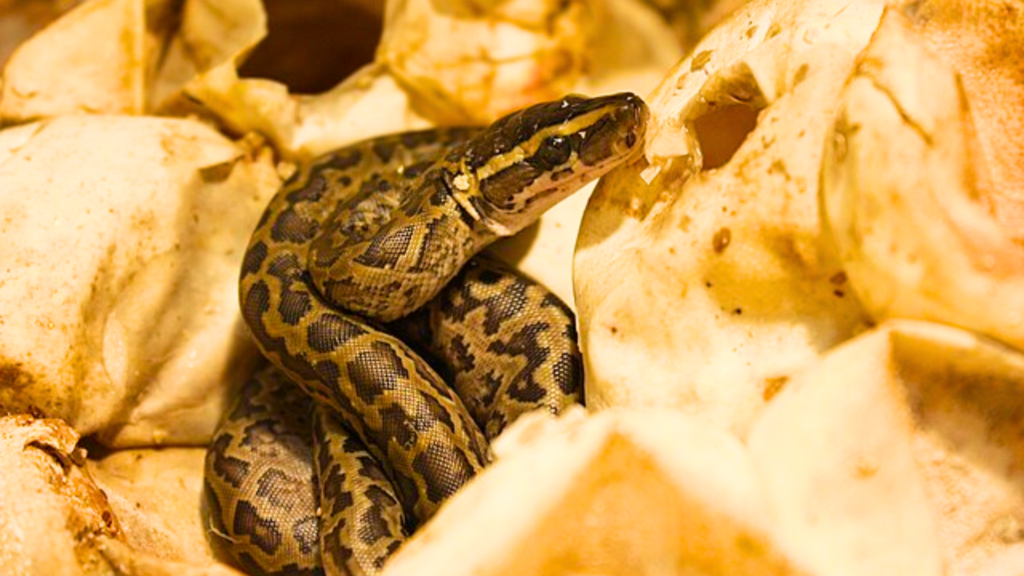
A remarkable biological event has left animal experts intrigued after a snake produced a second “virgin birth,” reproducing without any contact with a male. The Brazilian rainbow boa, affectionately known as Ronaldo, has now given birth through parthenogenesis twice, a rare form of asexual reproduction that bypasses the need for fertilization. Scientists say this unusual repeat case provides a rare opportunity to better understand how animals can reproduce in extraordinary circumstances, challenging long‑held assumptions about vertebrate biology and reproductive mechanisms.
Who Is Ronaldo the Snake
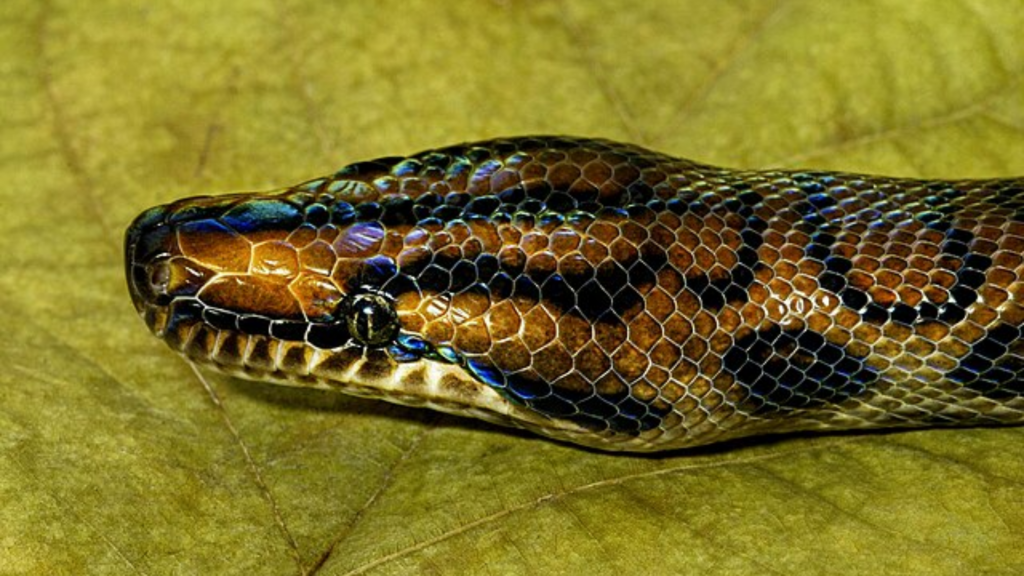
Ronaldo, a Brazilian rainbow boa residing at the City of Portsmouth College in England, initially made headlines in 2024 when she gave birth without ever mating with a male. After being rescued and cared for by an animal technician, she surprised her caretakers again by giving birth to around a dozen baby snakes through the same process nearly two years later. This repeat occurrence is so uncommon that experts say they cannot find documented cases of it happening twice in a single individual.
What Is Parthenogenesis

The phenomenon responsible for Ronaldo’s births is called parthenogenesis, a form of asexual reproduction in which an embryo develops from an unfertilized egg. In this process, a female’s genetic material alone is used to form offspring, bypassing male fertilization entirely. Parthenogenesis has been observed in various animals, particularly some invertebrates but remains rare among vertebrates such as reptiles.
How Rare Is It in Snakes
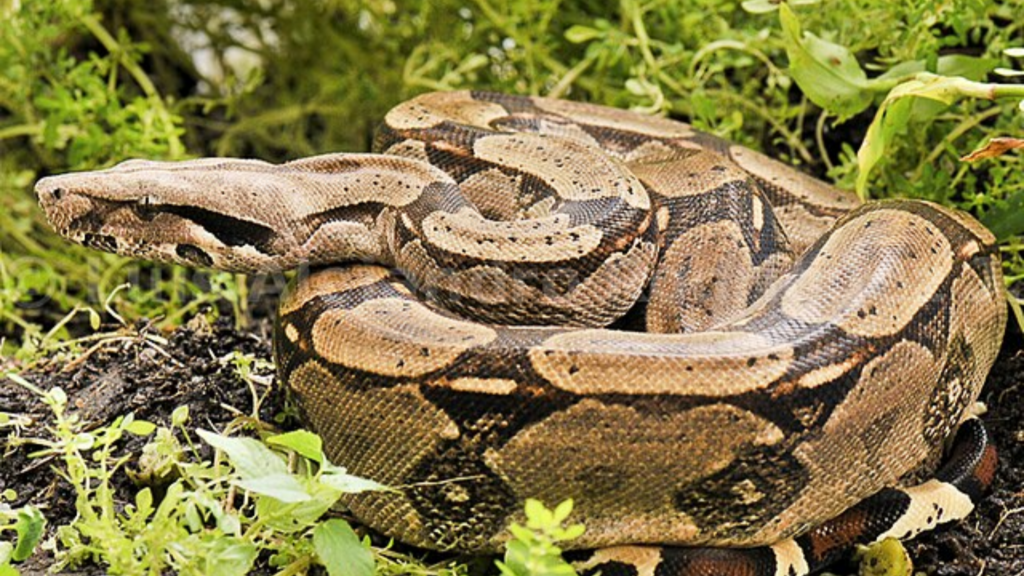
Parthenogenesis has been documented in some snake species before, but it is exceedingly rare, especially outside of controlled captive environments. Researchers say that cases where a single snake reproduces this way multiple times are almost unheard of. Most documented instances of parthenogenesis in snakes involve a single occurrence, making Ronaldo’s second virgin birth particularly noteworthy and scientifically valuable.
Signs That Ronaldo Was Pregnant Again

Before her second birth, caretakers observed subtle behavioral changes in Ronaldo that suggested pregnancy, including increased skin shedding, nesting behavior, and a decrease in her appetite. These signs prompted closer observation, although scientists still did not anticipate that a second virgin birth would occur. Monitoring such behavioral cues helps researchers better understand how animals signal reproductive changes.
What the Offspring Are Like
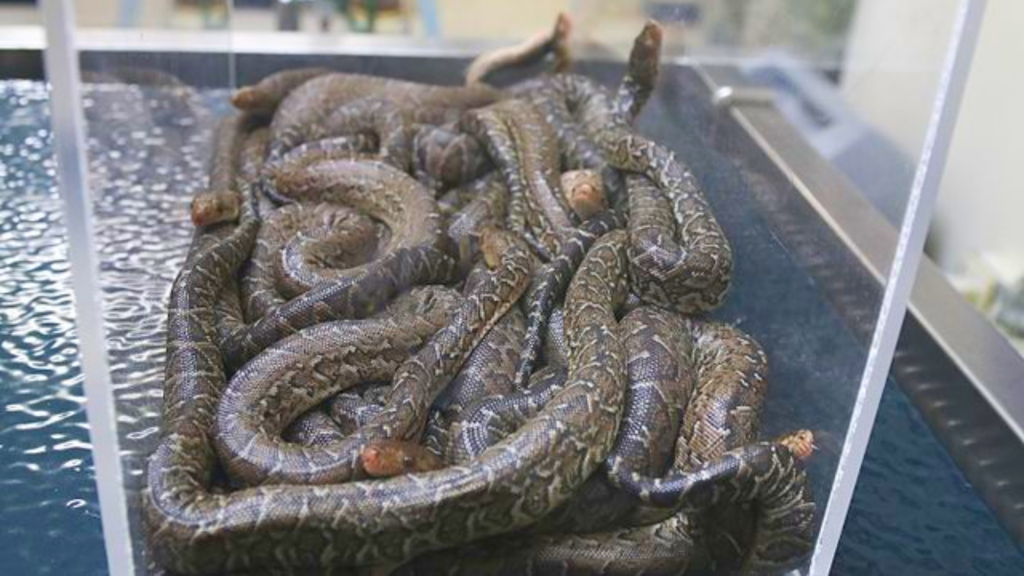
The baby snakes born through parthenogenesis are genetically derived solely from their mother, meaning they contain only maternal DNA. While not exact clones, they are very genetically similar to Ronaldo. Scientists describe these offspring as “half‑clones” in many cases because the genetic mechanisms involved result in limited variation. Observing these offspring helps researchers examine how asexual reproduction affects genetic diversity and health.
Possible Reasons for Parthenogenesis

Experts believe parthenogenesis may sometimes occur when females are isolated from males and cannot find mates, serving as a survival mechanism that allows genetic material to be passed on. In captive settings with no male partners at all, the reproductive system may trigger this rare process. However, the exact biological triggers whether environmental, hormonal, or genetic are still not fully understood and remain an area of active research.
Other Species That Reproduce This Way
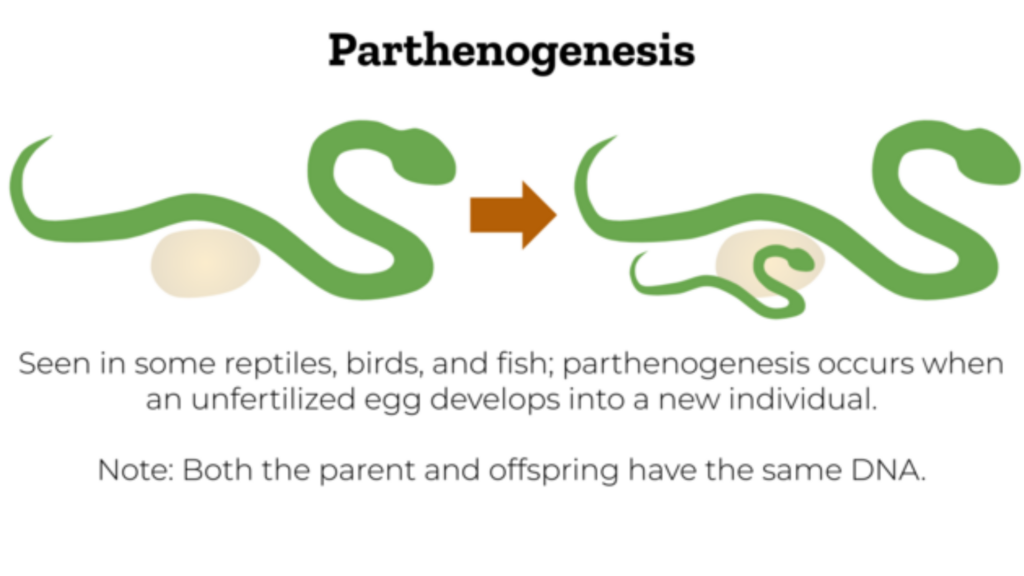
Parthenogenesis is not unique to snakes and has been observed in other reptiles, birds, fish, and invertebrates. For example, some shark species have exhibited virgin births in captivity, and certain lizard species are known to reproduce this way naturally. Each new case adds to scientists’ understanding of how common or important this type of reproduction might be across the animal kingdom.
Why Scientists Are Still Searching for Answers

Despite growing documentation of parthenogenesis, scientists still do not fully understand what triggers it in animals that typically reproduce sexually. Multiple factors, including genetics, environmental stressors, and reproductive physiology, may play roles. Ronaldo’s rare second virgin birth provides an unprecedented opportunity to study these mechanisms more closely and could offer insights into evolutionary biology and reproductive flexibility.
What Ronaldo’s Second Virgin Birth Teaches Us

The second virgin birth in Ronaldo the Brazilian rainbow boa has captivated both scientists and the public, as it challenges conventional wisdom about how animals reproduce. While parthenogenesis is a known biological phenomenon, repeated cases in the same individual are extremely rare and raise fascinating questions about genetics and survival strategies. As researchers continue to investigate Ronaldo’s case and others like it, this remarkable event may deepen understanding of reproduction across species and reveal new aspects of animal biology previously thought impossible.
PetsFanatic Team
Pet Care Expert & Content Creator
Passionate about sharing knowledge and tips for better pet care. Writing about everything from pet health to training techniques.