
Scientists Watched a California Wildflower Disappear. But Then It Came Back, and No One Could Explain It
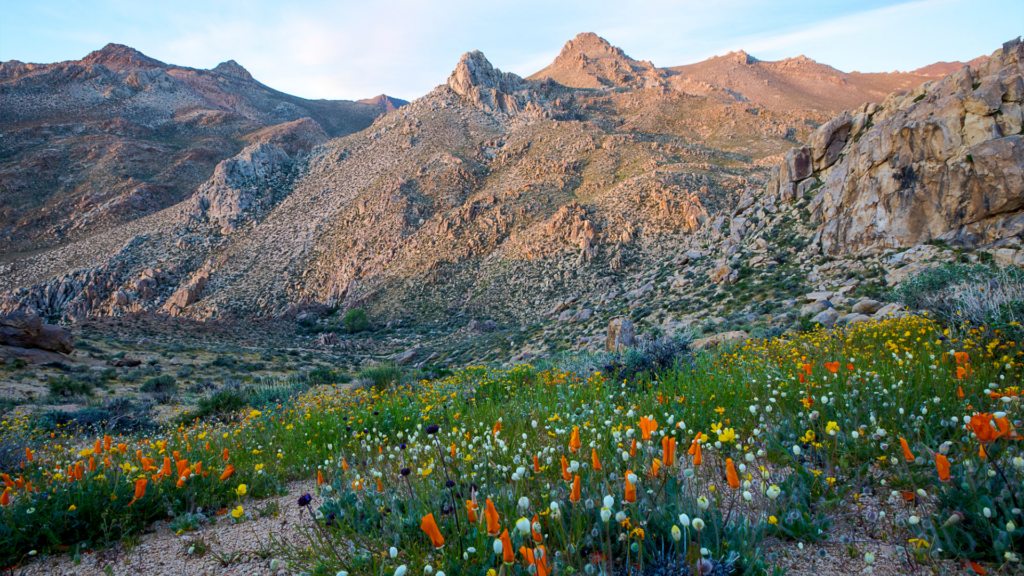
In one of the most surprising discoveries tied to climate change, scientists observed a California wildflower seemingly vanish during an extreme drought, only to reappear years later in a way that left researchers searching for answers. The plant, known as the Scarlet monkeyflower, became the focus of a long-term study that tracked how certain populations responded to one of the harshest dry periods in modern history.
Between 2012 and 2015, California experienced a historic drought described as the most severe in more than 10,000 years, wiping out large numbers of plants across the region. Many wildflower populations declined sharply or disappeared entirely, leading scientists to believe some species might not recover at all as environmental conditions continued to worsen.
But what happened next surprised even experts. In the years following the drought, some populations of the flower began to return, and not just survive, but thrive, raising new questions about how certain species can rebound after near extinction events in a rapidly changing climate.
A Rare Case of “Evolutionary Rescue”

Researchers studying the Scarlet monkeyflower discovered that its comeback may be explained by a phenomenon known as evolutionary rescue. This occurs when a species adapts quickly enough to survive environmental stress, effectively evolving in real time to avoid extinction.
By analyzing the plant’s DNA over an eight-year period, scientists found that the populations that rebounded most successfully shared specific genetic mutations linked to drought tolerance. These changes appear to have allowed certain groups of the flower to survive conditions that wiped out others, giving them a biological advantage when the environment became more extreme.
What makes this discovery especially important is that it provides rare real-world evidence of rapid evolution outside of controlled laboratory settings. It suggests that, under the right conditions, some species may be able to adapt far faster than previously believed, offering a glimmer of hope in the face of climate-related challenges.
Why Some Plants Survive While Others Disappear
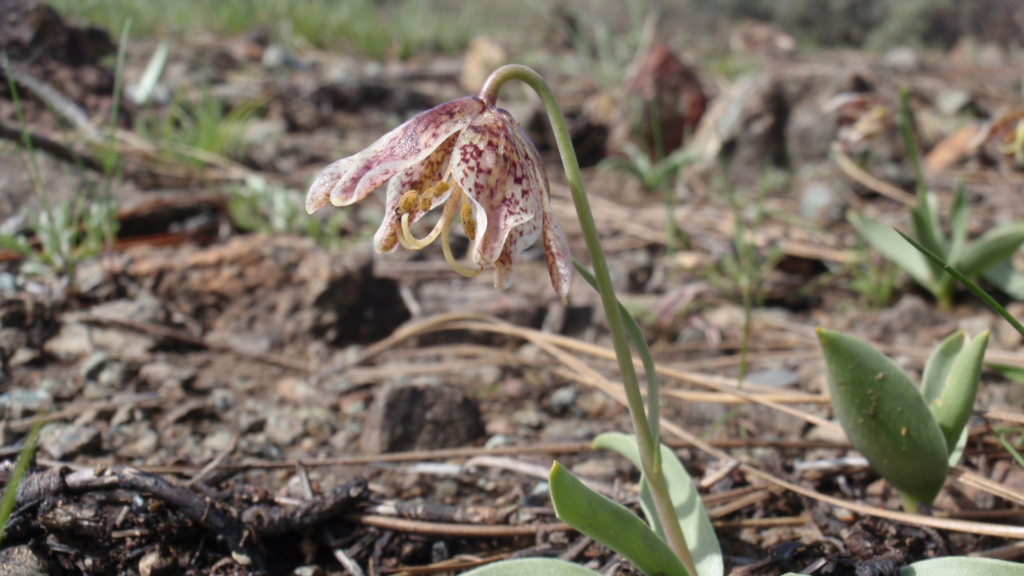
Despite the remarkable comeback of certain populations, scientists emphasize that not all plants were able to survive the drought. In fact, many populations of the Scarlet monkeyflower declined significantly or vanished entirely, highlighting the uneven impact of climate stress across different regions and environments.
Researchers are still trying to understand why some populations adapted while others did not, pointing to factors like genetic diversity, location, and microclimate conditions. Even small differences, such as access to water sources or slight variations in temperature, may have played a critical role in determining which plants survived and which did not.
This uneven survival pattern is one of the biggest challenges for scientists studying climate change, as it shows that predicting which species will endure is far from simple. While evolutionary rescue offers hope, it is not guaranteed, and many species may not adapt quickly enough to keep up with rapidly changing conditions.
A Mysterious Comeback With Big Implications
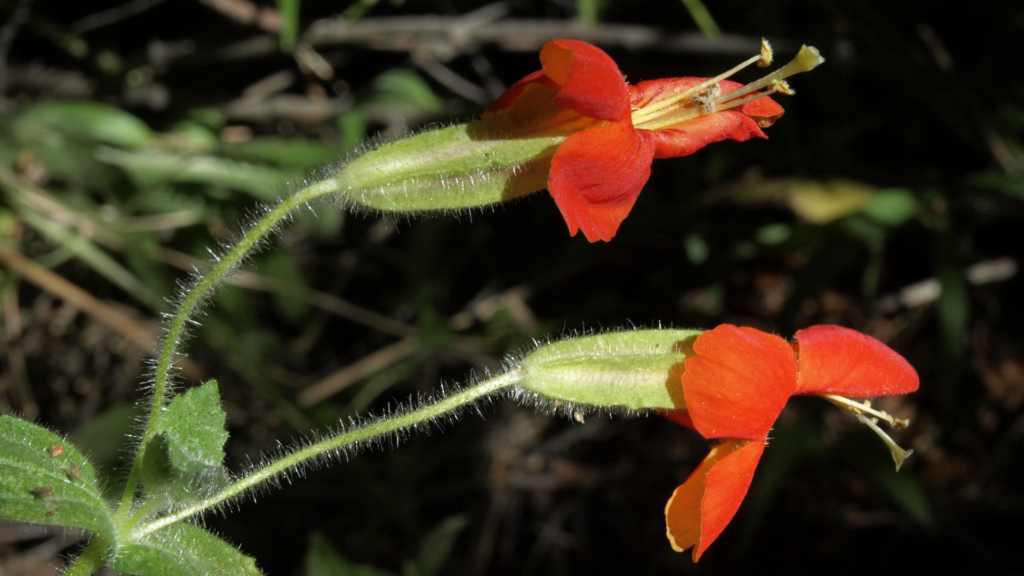
The unexpected return of the Scarlet monkeyflower offers a rare glimpse into nature’s ability to adapt under extreme pressure. What initially looked like a disappearance may have actually been a transformation, as certain populations evolved just enough to survive and recover.
For scientists, the discovery opens new doors in understanding how ecosystems respond to climate change, particularly when it comes to resilience and adaptation. It suggests that while some species may be lost, others could find ways to persist in surprising and unpredictable ways.
Still, researchers caution that this kind of recovery is not something to rely on across all species. The story of this wildflower is both hopeful and uncertain, showing that while nature can sometimes fight back, the outcome is never guaranteed in a world facing rapid environmental change.
PetsFanatic Team
Pet Care Expert & Content Creator
Passionate about sharing knowledge and tips for better pet care. Writing about everything from pet health to training techniques.