
Scientists Uncover New Clues About Fungi and Their Hidden Role in Earth’s Ecosystems

Fungi are among the most overlooked yet essential forms of life on Earth. From forests to food systems, these organisms quietly support countless ecological processes that sustain biodiversity and human industries alike. Although scientists estimate that millions of fungal species exist, only a small portion has been formally documented. Today, researchers and citizen scientists are working together to uncover new insights about fungi, their diversity, and their crucial role in maintaining healthy ecosystems.
The Search For A Rare Coastal Mushroom

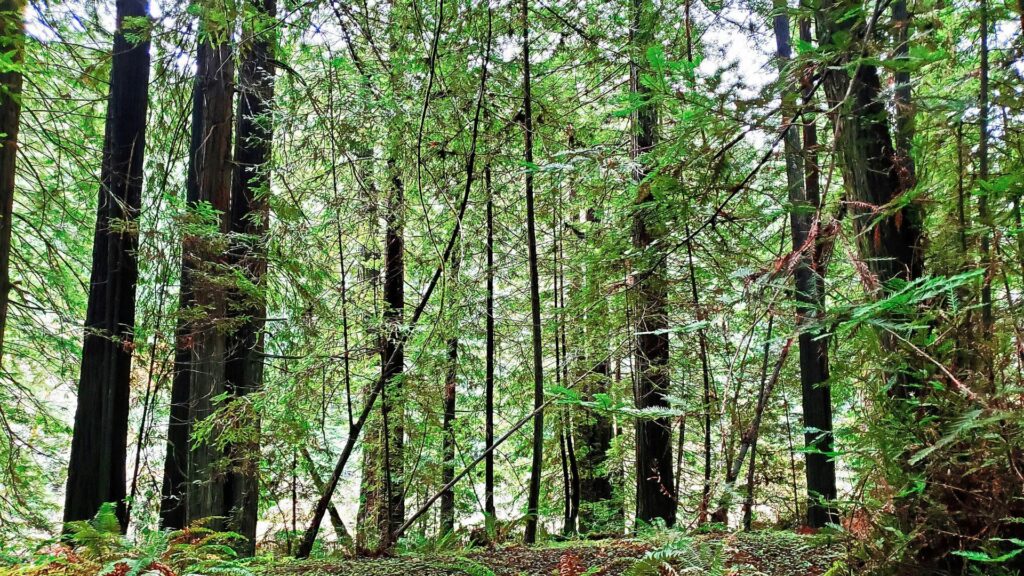
In the forests of California’s Napa County, mycologist Jessica Allen set out to locate a rare species known as the Manzanita butter clump, a small yellow mushroom believed to grow only along the western coast of North America. While exploring the leaf-covered ground beneath Manzanita trees, Allen quickly became fascinated by something else nearby, colorful lichens spreading across rocks. These intricate organisms, which involve fungi living in partnership with algae or bacteria, revealed a hidden microcosm of shapes and textures that often captures the attention of scientists before they even reach their original target.
A Fascinating World Hidden In Plain Sight

For researchers like Allen and ecologist Jesse Miller, the fungal kingdom offers endless discoveries. Lichens and mushrooms may appear small or unremarkable, yet they form part of a vast biological network supporting life across ecosystems. Their complexity and visual diversity draw scientists deeper into the landscape, where even a single rock surface can reveal dozens of species interacting in subtle ways. This sense of discovery fuels growing interest among researchers who believe fungi deserve far greater attention in conservation science.
Why Fungi Matter More Than We Realize

Fungi perform vital ecological functions that sustain forests, soils, and wildlife. Acting as natural decomposers, they break down organic material and recycle nutrients back into ecosystems. Many plants rely on underground fungal networks to absorb water and minerals, while animals depend on fungi as food sources or habitat materials. Beyond ecological importance, fungi also support human economies through products such as food, medicines, and industrial materials, with researchers estimating their global value in the tens of trillions of dollars.
The Vast Kingdom Scientists Are Only Beginning To Understand

Despite their importance, fungi remain one of the least studied groups of organisms on Earth. Scientists believe there may be roughly 2.5 million fungal species worldwide, yet only about 155,000 have been formally identified. This enormous gap in knowledge means researchers are still uncovering basic information about where fungi live, how they interact with ecosystems, and how environmental changes affect them. Understanding this hidden biodiversity is a crucial step toward protecting species that may already be under threat.
Citizen Scientists Help Expand Fungal Knowledge

Professional researchers are not working alone in this effort. Amateur naturalists, photographers, and hobbyist mycologists play a critical role in documenting fungi across different landscapes. By exploring forests, photographing species, and sharing observations through digital platforms, community scientists help build databases that researchers can analyze. These contributions often lead to surprising discoveries, including rare species or new records that expand scientific understanding of fungal distribution.
Exploring Nature Through Lichen Expeditions
Field outings organized by groups such as lichen societies bring enthusiasts together to search for and document species in protected landscapes. Participants spread across forests and rocky areas, closely examining tree bark and stones for signs of lichens in their many forms. These expeditions combine scientific data collection with a sense of exploration, as participants frequently pause to admire unusual textures or colors that reveal the astonishing diversity found within these miniature ecosystems.
A Lifelong Curiosity For Lichens

Many enthusiasts develop a deep fascination with lichens after discovering their unusual properties. Some researchers first encounter them through their use as natural dyes, while others become captivated by their unpredictable forms and colors. Over time, this curiosity can evolve into decades of observation and study, contributing valuable knowledge about local biodiversity. For many participants, the joy lies not only in scientific discovery but also in the constant sense of wonder that these organisms inspire.
Amateur Expertise That Strengthens Science

Dedicated hobbyists can become remarkably knowledgeable about fungi and lichens, sometimes rivaling professional specialists in their understanding of local species. By spending years observing ecosystems and learning from fellow enthusiasts, amateur researchers often uncover patterns or biodiversity hotspots that scientists had not yet documented. Their passion helps reveal the ecological richness of regions that might otherwise receive little scientific attention.
Conservation Efforts Are Slowly Gaining Momentum

Although fungi are essential to ecosystem health, conservation policies have historically focused more on plants and animals. International assessments indicate that hundreds of known fungal species may be at risk of extinction. While some regions of Europe have incorporated fungi into conservation planning for decades, protection efforts in the United States are only beginning to expand. Increased public awareness and community science initiatives are helping shift attention toward safeguarding these overlooked organisms.
The Hidden Life Of Fungi And Their Environmental Threats

Much of a fungus’s life occurs underground as a network of microscopic threads known as mycelium, making it difficult for scientists to study their populations. These hidden organisms face multiple environmental pressures, including climate change, habitat loss, pollution, and unsustainable harvesting. Changes in rainfall patterns, rising temperatures, and intensifying wildfires can disrupt the delicate relationships between fungi and forest ecosystems, highlighting the urgency of improving research and conservation strategies.
The Unpredictable Nature Of Discovery

Back in California’s forests, Allen and her colleagues continued their search for the elusive Manzanita butter clump, scanning the ground along hillsides and streams. By the end of the day, the rare mushroom remained undiscovered. Yet in the world of fungi research, such outcomes are common. Mushrooms appear only under precise environmental conditions, reminding scientists that exploration often leads to new questions, unexpected findings, and the simple satisfaction of a day spent uncovering nature’s hidden worlds.
PetsFanatic Team
Pet Care Expert & Content Creator
Passionate about sharing knowledge and tips for better pet care. Writing about everything from pet health to training techniques.