
Scientists Think Dogs Could Help Solve One of Autism Research’s Biggest Problems

For years, scientists searching for autism treatments have faced the same frustrating outcome: promising drugs in the laboratory repeatedly fail when tested in people. A new peer-reviewed Perspective published in Genomic Psychiatry suggests the missing piece may not be a new technology or a new drug candidate, but an animal already deeply connected to human life. According to the authors, dogs possess unique social abilities that could make them one of the most effective models yet for studying autism and evaluating future therapies.
The Problem No Laboratory Has Solved

The challenge has persisted for decades. The review notes that more than 90 percent of experimental autism drugs never make it successfully from laboratory testing to human clinical trials. Researchers argue this is partly because traditional animal models struggle to mirror the complex social behaviors affected by autism. Mice have become indispensable for genetic research, but they do not naturally communicate with people the way humans communicate with one another. Even monkeys, despite their close evolutionary relationship, interpret direct human eye contact as threatening rather than socially engaging.
Why Dogs Stand Apart

Dogs, however, have spent roughly 30,000 years evolving alongside humans. During that time, they developed an unusual ability to read human faces, follow gestures, respond to eye contact, and form social bonds unlike those seen in other laboratory animals. Lead author Dr. Siqi Yuan argues that this shared social evolution makes dogs uniquely suited to studying the very behaviors autism most often affects. Rather than replacing existing animal models, the review suggests dogs could fill a gap researchers have struggled to address.
A Gene That Tells a Familiar Story

The review centers on studies involving dogs carrying mutations in SHANK3, one of the genes most strongly linked to autism in humans. Across multiple experiments, these dogs displayed several characteristics that resemble human autism, including reduced social interaction, altered sensitivity to touch and sound, and less interest in maintaining eye contact with people. The authors argue that seeing these similarities appear across different studies strengthens the case for dogs as a valuable research model.
Small Studies, Encouraging Signals

Researchers have also begun testing whether some autism-related behaviors in these dogs can be improved. The review highlights early findings showing that intranasal oxytocin increased nurturing behaviors and encouraged dogs to spend more time looking at human faces. Other experimental treatments, including a carefully controlled psychedelic therapy and compounds that restore neural balance, also produced improvements in social behaviors. Even so, the authors repeatedly caution against drawing broad conclusions. Most of the studies remain small, and similar treatments have produced mixed results in human clinical research.
Not Replacing Mice, But Filling a Missing Gap

The researchers are careful not to present dogs as a replacement for mice or nonhuman primates. Instead, corresponding author Professor Yong Q. Zhang describes canine models as an additional “lens” that helps scientists better evaluate social behavior before advancing treatments into human trials. By combining evidence from several animal models, researchers hope to improve the chances that future drug candidates will succeed where so many others have failed.
The Ethical Debate Is Impossible to Ignore
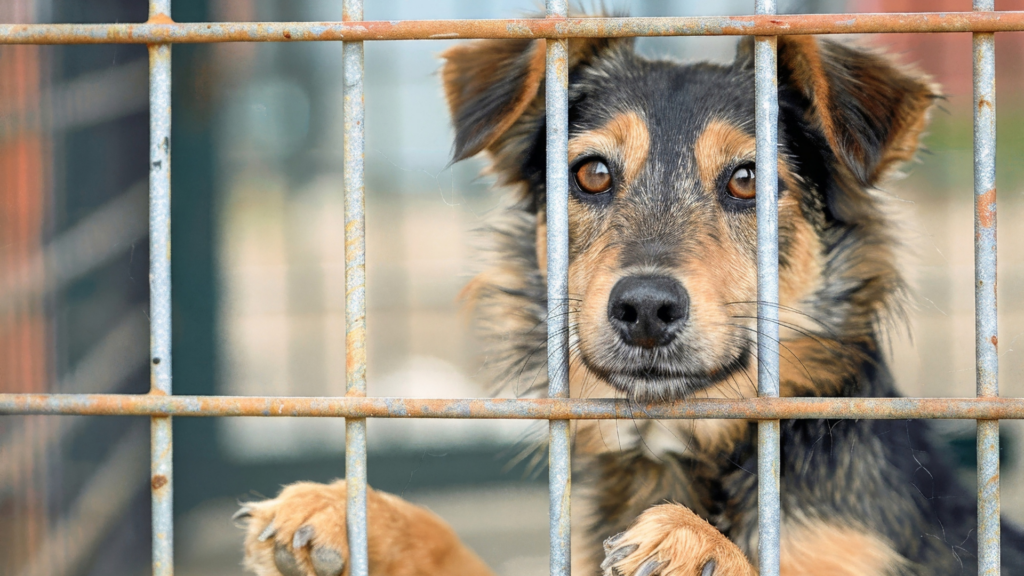
Using dogs in research raises questions that extend beyond science. Unlike mice, dogs are widely viewed as family companions, making their role in laboratory studies particularly sensitive. The review directly addresses these concerns, emphasizing that studies must follow the principles of the Three Rs: replacing animals whenever possible, reducing the number used, and refining procedures to improve welfare. The authors acknowledge there is no easy answer, only a continuing effort to balance scientific progress with ethical responsibility.
Science Still Faces Practical Obstacles

The proposal also comes with technical challenges. According to the review, successfully editing canine genes remains difficult, with only about one in four attempts producing the desired result. Some genetic changes prove fatal before researchers can study them, while preparing dogs for advanced brain imaging often requires nearly two years of training. Compared with decades of investment in mouse research, the scientific tools available for canine neuroscience are still relatively limited.
Building the Next Generation of Autism Research

To move the field forward, the authors call for greater collaboration between neuroscientists, veterinarians, geneticists, and behavioral scientists. They argue that advances in gene-editing techniques, imaging technology, and standardized research methods could make canine studies more reliable while improving animal welfare. The goal is not simply to create another laboratory model, but to develop one that captures the social dimension of autism more faithfully than existing approaches.
A New Direction Worth Watching
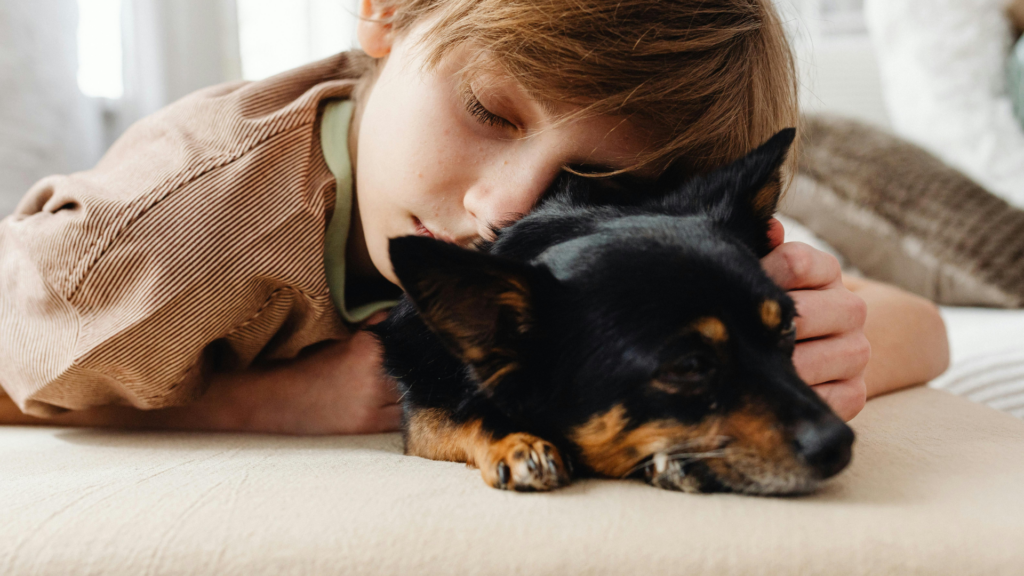
The review does not claim that dogs will unlock a cure for autism or guarantee successful treatments. Instead, it presents a carefully argued case that researchers may have overlooked one of their most valuable scientific partners. If future studies confirm that canine models better predict how therapies perform in people, dogs could help reshape one of the most challenging areas of neuroscience, bringing autism drug development closer to the patients it has long struggled to serve.
PetsFanatic Team
Pet Care Expert & Content Creator
Passionate about sharing knowledge and tips for better pet care. Writing about everything from pet health to training techniques.