
Scientists Say Rising Seas Are Swallowing Chesapeake Bay Farmland Faster Than Forests

The Chesapeake Bay has long been a productive agricultural region, but scientists say a growing threat is quietly transforming thousands of acres of farmland into tidal marsh. While “ghost forests” of dead trees have become a visible symbol of rising seas, new research suggests cropland is disappearing even faster, creating an emerging challenge for farmers, rural communities, and coastal planners.
New Study Reveals Farmland Is More Vulnerable Than Expected

Researchers from William & Mary’s Batten School of Coastal & Marine Sciences and the Virginia Institute of Marine Science analyzed decades of satellite imagery alongside field observations across the Chesapeake and Delaware Bay watersheds. Published in Nature Sustainability, the study found that approximately 25,000 acres of farmland were lost between 1984 and 2022 because of sea-level rise, with marshes advancing onto agricultural land at nearly twice the overall rate observed in nearby forests and, in some locations, up to seven times more frequently.
Saltwater Is Changing The Landscape

The transformation begins as rising seas allow saltwater to move farther inland through tidal creeks, groundwater, and storm surges. Over time, salt damages freshwater vegetation, kills crops, and creates conditions where salt-tolerant marsh grasses can replace productive farmland. Scientists measure this process by tracking the shifting boundary between dry land and marsh, revealing how coastal landscapes steadily retreat inland.
Why The Chesapeake Is Especially At Risk

The Mid-Atlantic is particularly vulnerable because relative sea level is rising about twice as fast as the global average. Along the Chesapeake Bay, climate-driven sea-level rise is compounded by land subsidence, the gradual sinking of the region’s land following the last Ice Age. Together, these forces are accelerating saltwater intrusion into low-lying agricultural areas and increasing the frequency of tidal flooding.
Farmers Are Fighting A Losing Battle
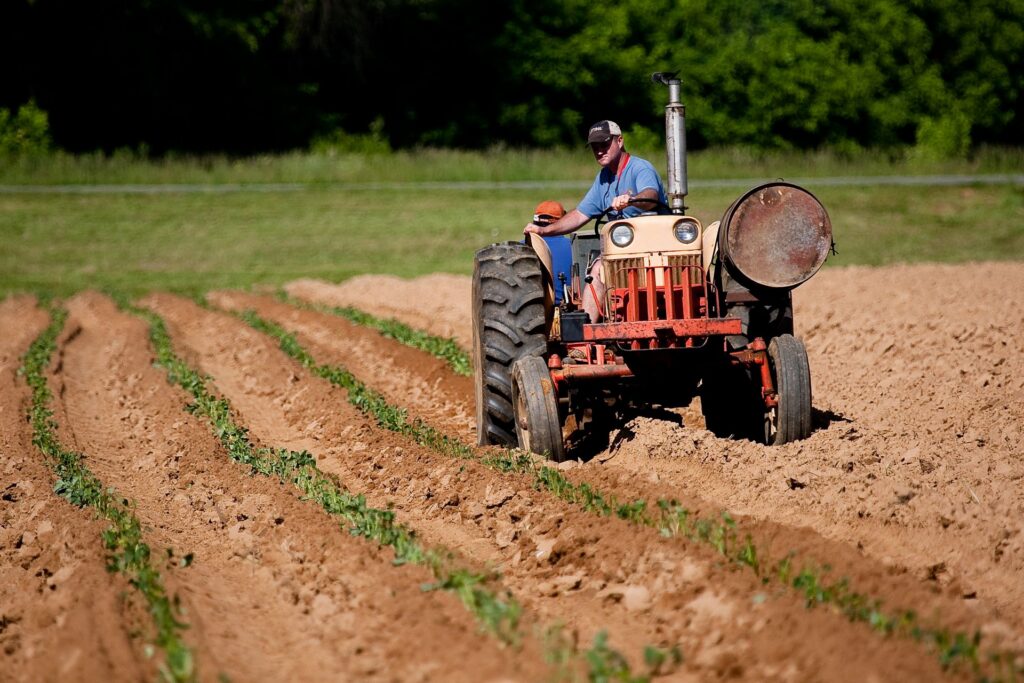
Many landowners have spent years constructing levees, berms, drainage ditches, and other barriers to keep saltwater away from crops. The research found these measures can slow the rate of marsh migration, bringing some farmland closer to conditions seen in nearby forests, but they rarely stop the process entirely. Study co-author Matt Kirwan said the findings challenge the assumption that valuable farmland can always be protected from rising seas, noting that many defensive structures simply delay the inevitable conversion to marsh.
The Impact Is Already Visible On Working Farms

The scientific findings mirror what farmers across Maryland’s Eastern Shore are experiencing firsthand. In PBS reporting on the region, Somerset County farmer Kevin Anderson described fields that now flood regularly with tidal water, while Dorchester County farmer Wendell Meekins said a saltwater surge destroyed 65 acres of corn in a single season. Researchers also documented expanding salt patches across farmland and estimated that roughly 20,000 acres of productive agricultural land were converted into marsh between 2011 and 2017 alone in one part of the Delmarva Peninsula.
Crops Cannot Endure What Forests Sometimes Can

One reason farmland disappears more quickly is that crops respond to salt exposure much faster than mature trees. According to the study, forests may take decades to die as saltwater gradually weakens them, while annual crops can fail within a single growing season. Fields may still appear largely intact from a distance, but declining yields often begin along their edges long before complete conversion to marsh becomes obvious.
The Challenge Extends Beyond Individual Farms
Researchers argue that coastal adaptation discussions often focus on cities, seawalls, and waterfront development while overlooking rural agricultural landscapes. Yet much of the nation’s coastline remains privately owned farmland, where individual landowner decisions shape how marshes migrate inland. The study emphasizes that understanding farmers’ experiences is essential for developing practical adaptation strategies that balance food production, conservation, and coastal resilience.
Marshes Bring Benefits But Also Difficult Tradeoffs

Although the loss of farmland creates economic hardship, expanding marshes can provide important environmental benefits. Healthy tidal marshes store carbon, absorb floodwaters, buffer storm surges, and create habitat for fish and wildlife. Researchers say the challenge is managing this transition thoughtfully, because every acre converted to marsh strengthens certain ecosystem services while reducing agricultural production and affecting rural livelihoods.
Planning For A Coastline That Will Keep Changing

Scientists say the findings highlight the need for earlier planning rather than relying solely on barriers that buy time. Future adaptation could include supporting salt-tolerant crops where practical, restoring wetlands, improving assistance programs for affected landowners, and identifying which areas can realistically be protected over the long term. As sea levels continue to rise along the Chesapeake Bay, decisions made today will help determine how communities balance preserving working farmland with preparing for an increasingly dynamic coastline.
PetsFanatic Team
Pet Care Expert & Content Creator
Passionate about sharing knowledge and tips for better pet care. Writing about everything from pet health to training techniques.