
Scientists Say a Massive Rift in Africa Could Create a New Ocean

Earth’s surface may appear stable, but beneath it, powerful geological forces are constantly reshaping the planet. In eastern Africa, a vast rift system reveals a slow yet remarkable transformation as tectonic plates gradually pull apart. Over immense stretches of time, this movement could dramatically alter the continent’s landscape and potentially give rise to a new ocean basin. Scientists continue to study the region closely, because it offers rare insights into how continents evolve and eventually separate.
Africa’s Ancient Rift Began Millions Of Years Ago

The East African Rift System began forming tens of millions of years ago, gradually carving a network of valleys, fractures, and basins across the eastern portion of the continent. Extending from the Horn of Africa down toward Mozambique, this immense geological feature marks the boundary where sections of the African landmass are slowly drifting apart. Researchers view the region as a natural laboratory because it clearly demonstrates the long, step-by-step process through which continental crust stretches, weakens, and begins to divide under the influence of deep tectonic forces.
A Dramatic Crack Offered A Rare Glimpse Of The Rift

Although continental rifting usually progresses at an almost imperceptible pace, a remarkable event in 2005 briefly exposed the process in real time. In northeastern Ethiopia, the ground suddenly split open, creating a long fissure that stretched across the landscape within just a few days. This unexpected rupture drew global attention from geologists, who saw it as a rare opportunity to observe on land the kind of rapid crustal movement more commonly associated with oceanic environments.
Tectonic Plates Are Slowly Drifting Apart

Modern satellite measurements allow scientists to monitor tectonic motion with extraordinary accuracy, revealing that the Somali Plate is gradually separating from the larger Nubian Plate. The movement occurs at only a few millimeters per year, a rate that seems insignificant on a human timescale. Over millions of years, however, even this subtle drift can dramatically widen the rift valley, steadily reshaping the region’s structure and potentially preparing the ground for larger geological transformations.
Heat Rising From Earth’s Interior Weakens The Crust

The separation of tectonic plates is only part of the story, because intense heat rising from deep within Earth also contributes to the formation of the rift. This thermal energy softens the continental crust, making it more flexible and easier to stretch. As the rock weakens, it becomes more susceptible to fractures and subsidence, allowing the surface to gradually sink and expand. This geothermal influence plays a critical role in sustaining the long-term evolution of the rift system.
Volcanoes And Hot Springs Reveal Hidden Activity

Across eastern Africa, volcanic mountains and geothermal fields provide visible evidence of the powerful forces operating beneath the surface. Magma rising from the mantle fuels eruptions, heats underground water, and produces numerous hot springs scattered throughout the region. These surface features act as natural indicators of the dynamic processes unfolding deep below, showing how heat and tectonic movement combine to reshape the landscape over time.
Seawater Could One Day Enter The Expanding Rift
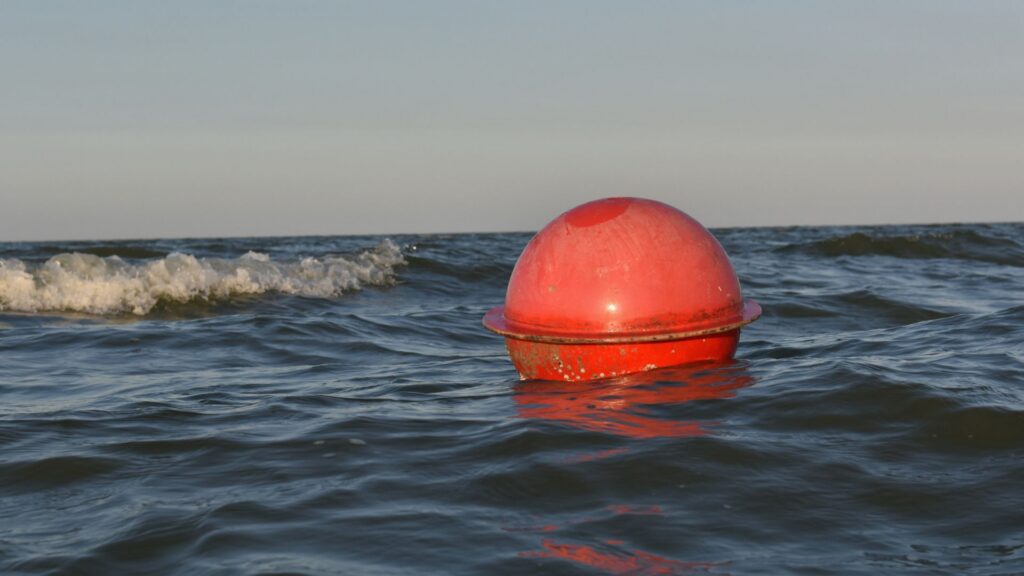
For a new ocean basin to form, the widening rift must eventually connect with existing seas. Although much of the East African Rift remains inland today, certain segments lie relatively close to the Red Sea and the Indian Ocean. If the crust continues to stretch, thin, and sink over geological time, seawater could gradually spill into the expanding depression, forming a narrow marine passage that might slowly evolve into a larger oceanic basin.
Large Lakes Mark Areas Where The Crust Has Sunk

Several of Africa’s most impressive lakes exist because of the tectonic stretching taking place across the region. As the crust pulls apart, some sections sink to form deep depressions that later fill with water. Lakes such as those within the Rift Valley illustrate how geological forces shape both terrain and ecosystems. Their presence offers scientists valuable clues about how landscapes evolve long before a rift becomes wide enough to host an ocean.
Changing Landscapes Reflect Ongoing Geological Forces

The terrain across the rift region continues to shift as tectonic forces reshape valleys, hills, and basins. Fault lines periodically adjust, creating subtle movements in the ground that gradually redefine the area’s topography. Over long periods, these cumulative changes influence river paths, sediment patterns, and ecological zones, illustrating how geology quietly directs the development of entire landscapes.
Earthquakes And Volcanic Activity Are Part Of The Rift’s Evolution

The stretching of the crust naturally generates earthquakes as rocks fracture and shift under stress. At the same time, magma pushing upward through weakened areas can trigger volcanic eruptions. These seismic and volcanic events are reminders that the rift is an active geological environment, where powerful processes continue to shape the land and influence communities living throughout eastern Africa.
A Future Ocean Could Redraw Africa’s Geography

If the rifting process continues for millions of years, the eastern portion of Africa could eventually separate from the rest of the continent. In that distant future, seawater might fill the widening gap, creating a new ocean and establishing entirely new coastlines. While such a transformation lies far beyond human lifetimes, studying the rift today helps scientists understand the dynamic history of Earth and the slow forces that continually reshape its surface.
PetsFanatic Team
Pet Care Expert & Content Creator
Passionate about sharing knowledge and tips for better pet care. Writing about everything from pet health to training techniques.