
Scientists on Alert as Horseshoe Crab Spawning Raises Concerns

Every spring, one of nature’s oldest creatures emerges in massive numbers along coastlines, creating a spectacle that has remained largely unchanged for hundreds of millions of years. Horseshoe crabs crawl onto beaches to spawn, laying thousands of eggs in the sand, but scientists are increasingly concerned about what they’re seeing. While the event is vital for ecosystems and even human medicine, new pressures are raising alarms about whether these ancient animals can continue this cycle into the future.
A Spawning Event Like No Other

Horseshoe crabs migrate from deeper waters to shallow coastal beaches each spring and early summer to reproduce. They gather during high tides, often timed with full and new moons, creating dense clusters as females lay eggs in the sand while males attach and fertilize them. This synchronized event is one of the most important seasonal migrations in coastal ecosystems.
Why Scientists Pay Close Attention

Scientists monitor spawning activity closely because it provides key data about population health and environmental conditions. Changes in spawning numbers, timing, or success rates can signal deeper ecological problems, including habitat degradation or population decline. These trends are now becoming more concerning in several regions.
Eggs That Support Entire Ecosystems
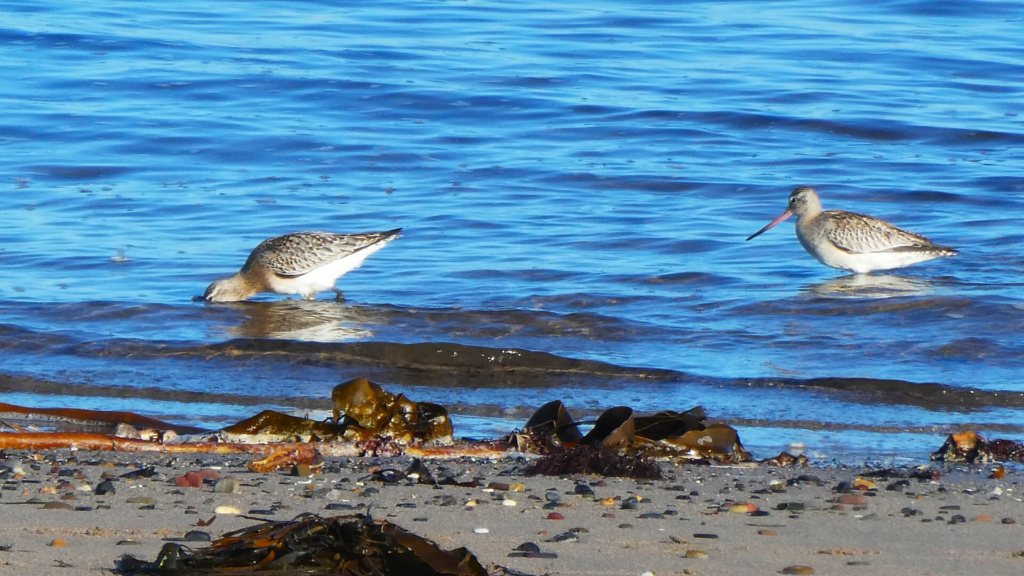
The eggs laid by horseshoe crabs are a critical food source for migratory shorebirds, especially species that rely on the energy boost to complete long journeys. When spawning declines, it can ripple across the food chain, impacting bird populations and broader coastal biodiversity.
Habitat Loss Is a Growing Threat

One of the biggest concerns is the loss of suitable spawning beaches due to coastal development, erosion, and rising sea levels. Horseshoe crabs require specific sandy environments for their eggs to survive, and when these habitats disappear or change, successful reproduction becomes much more difficult.
The Role of Climate Change

Climate change is also affecting spawning conditions, altering water temperatures, sea levels, and storm patterns. These shifts can disrupt the timing of spawning events and damage nesting areas, making it harder for eggs to develop properly and survive to the next stage.
Human Use Adds More Pressure

Horseshoe crabs are harvested for their unique blue blood, which is used in medical testing to detect harmful bacteria in vaccines and equipment. While many crabs are returned to the ocean after collection, a portion do not survive the process, adding additional stress to already vulnerable populations.
Spawning Makes Them Vulnerable

During spawning, horseshoe crabs are particularly exposed to danger because they gather in large numbers near shore. This makes them easier to harvest and more susceptible to environmental hazards, such as poor beach conditions or obstacles that prevent them from successfully laying eggs.
Why This Moment Matters Most

The spawning season is the most critical period in the horseshoe crab life cycle, as it determines future population levels. Eggs typically incubate in the sand for several weeks, and any disruption during this stage can significantly reduce the number of young crabs that survive.
Efforts to Protect These Ancient Creatures

Scientists and conservation groups are working to protect spawning habitats, regulate harvesting, and develop alternatives to using horseshoe crab blood in medicine. These efforts aim to balance human needs with the long-term survival of a species that has existed for more than 400 million years. The annual spawning of horseshoe crabs is both a natural wonder and a warning sign. While the event continues to unfold each year, the pressures facing these ancient animals are growing, and scientists are watching closely for signs of decline. Protecting their spawning grounds and reducing human impact may be key to ensuring that this extraordinary cycle continues for generations to come.
PetsFanatic Team
Pet Care Expert & Content Creator
Passionate about sharing knowledge and tips for better pet care. Writing about everything from pet health to training techniques.