
Scientists Just Identified the World’s First Known Dog and It’s Over 15,000 Years Old
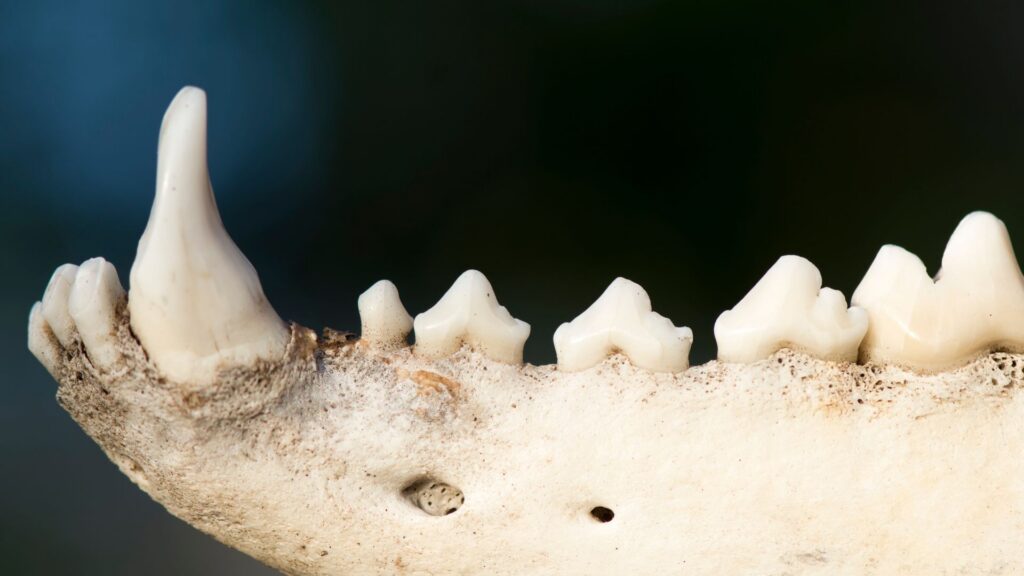
Bones recovered from a cave in Somerset, England, and two sites in Turkey have yielded what researchers say is the oldest genetic evidence of a domesticated dog ever found. Published in the journal Nature on March 25, the findings push back the earliest confirmed record of dog domestication by more than 5,000 years, to roughly 15,800 years ago, when humans were still hunter-gatherers living before the rise of agriculture.
The discovery came through a large-scale DNA analysis led by researchers from 17 institutions, including archaeologists from UCL and scientists at the Natural History Museum in London. The team recovered whole genomes from archaeological specimens more than 10,000 years old and compared them against over 1,000 modern and ancient dogs and wolves from around the world, confirming that some of the oldest remains belonged to domesticated animals, not wolves.
Earlier methods, mostly short DNA sequences and skeletal measurements, had long struggled to draw a clear line between early dogs and wolves. During the initial phases of domestication, their skeletons were nearly identical, and behavioral differences left no physical trace. The new genomic approach provided a level of confirmation that previous techniques simply could not.
Dogs Were Already Widespread Across Europe by the Ice Age’s End

Among the key specimens identified in the study was a dog from Gough’s Cave in Cheddar Gorge, Somerset, a well-documented Late Upper Palaeolithic site known for human and animal remains, stone tools, and other artifacts. UCL’s Simon Parfitt, who has studied the site for years, noted that the first clue the bones belonged to dogs was their unusually small size, especially compared to the exceptionally large wolves of the same era. DNA analysis later confirmed the identification.
Researchers also identified ancient dogs at Pınarbaşı and Boncuklu in Turkey, with the oldest Turkish specimen dated to around 15,800 years ago. Despite being separated by nearly 2,000 miles, the English and Turkish dogs were closely related by ancestry, pointing to a population already spread across a vast stretch of the continent by that time. Additional specimens from Germany, Italy, and Switzerland confirmed the pattern.
DNA comparisons also offered clues about lineage. The Gough’s Cave and Pınarbaşı dogs were more closely related to the ancestors of present-day European and Middle Eastern breeds, such as boxers and salukis, than to Arctic breeds like Siberian huskies. According to the researchers, this suggests that the major genetic lineages seen in dogs today were already established by the Upper Palaeolithic period, much earlier than previously understood.
Ancient Dogs Were Fed, Buried, and Treated With Care

Chemical analysis of the remains, conducted by researchers at the University of York, the Natural History Museum, and UCL, revealed that people at both the English and Turkish sites fed their dogs the same food they ate themselves. The finding is notable because the human cultures at each location were distinct, yet the treatment of their dogs was strikingly similar, suggesting shared attitudes toward these animals across separated communities.
The bond between these early humans and their dogs went deeper than function. The English dog’s skull bore deliberate perforations similar to those found on human skulls from the same period. In Turkey, dogs were buried directly on top of deceased people, and at Boncuklu, some were buried alongside humans. UCL’s Louise Martin noted that these burial practices highlight the close bond between people and dogs even at these earliest stages.
Paleogeneticist Greger Larson of the University of Oxford, who co-authored both Nature studies, described dogs as something hunter-gatherer communities were genuinely excited to have, comparing the spread of dogs across human groups to the adoption of a new tool or art form. The animals were useful, novel, and likely appealing, he told the New York Times, which may help explain how they spread so quickly across such a wide geographic area.
Big Questions About Dog Origins Still Remain

The studies strengthen the case that all modern dogs trace back to a single domestication event, most likely somewhere in Asia, with some additional interbreeding between early dogs and wolves along the way. Cornell University geneticist Adam Boyko, who was not involved in the research, told Science News that from the standpoint of modern dogs, a single origin appears to be supported, though early fossils classified as wolves could complicate the picture.
What researchers still cannot say with certainty is exactly where or when domestication first began. The evolutionary split between dogs and wolves is estimated to have occurred somewhere between 27,000 and 40,000 years ago, based on earlier computer simulations of the canine family tree, but the new findings represent the oldest direct genomic confirmation of a domesticated individual. The gap between those two windows remains an open question.
The role these earliest dogs played in Palaeolithic communities also remains unclear. Researchers suggest they likely served some combination of purposes, including hunting, companionship, and guarding, and may have been exchanged between distinct human groups across Europe. Evolutionary biologist Beth Shapiro of UC Santa Cruz, who was not part of the research, called the studies a significant advance in understanding dog origins, a story that science is still, in many ways, working to piece together.
PetsFanatic Team
Pet Care Expert & Content Creator
Passionate about sharing knowledge and tips for better pet care. Writing about everything from pet health to training techniques.