
Scientists Identify Bizarre 275-Million-Year-Old Aquatic Creature With Sideways Teeth

Paleontologists have uncovered a strange prehistoric animal with a twisted jaw and sideways pointing teeth. The species, known as Tanyka amnicola, lived about 275 million years ago. Researchers say it was already considered an evolutionary relic even during its own era. The discovery offers new clues about ancient ecosystems that existed long before the dinosaurs appeared.
An Ancient Member Of The Tetrapod Family

Tanyka belonged to the group known as Tetrapods, which today includes reptiles, mammals, birds, and amphibians. The species lived during the Permian Period, a time when early vertebrates were evolving into many new forms. By that point, many primitive tetrapod lineages had already disappeared. Tanyka appears to represent one of the few ancient branches that managed to survive.
A Lineage That Refused To Disappear

Scientists describe Tanyka as belonging to a stem tetrapod lineage that had largely vanished by the Permian. These early branches represent the ancestors of modern four limbed animals. The survival of this lineage into a later geological period surprised researchers. It suggests that some ancient evolutionary paths endured longer than previously believed.
Fossils Found In Northeastern Brazil
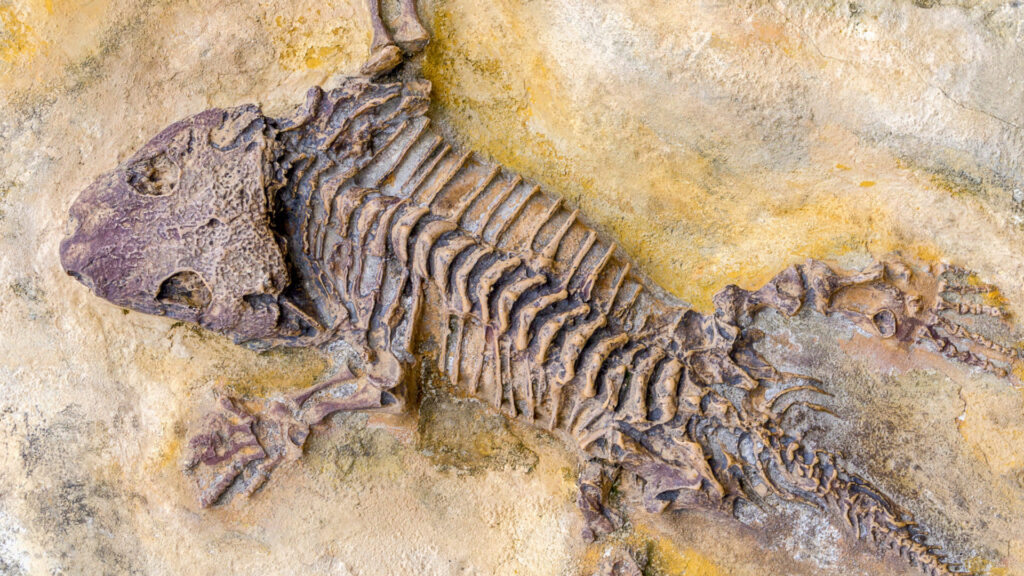
The species was identified from fossil remains discovered in a dry riverbed in northeastern Brazil. Researchers recovered nine fossilized lower jawbones from the site. Each measured roughly six inches in length and showed the same unusual structure. These fossils provided enough evidence for scientists to classify the animal as a new species.
A Jaw That Puzzled Scientists

The most unusual feature of the fossils was the shape of the jaw. Instead of forming a straight line, the jawbone twisted in a way rarely seen among vertebrates. This twist caused the teeth to point sideways rather than upward. At first, scientists wondered if the distortion was caused by fossil damage.
Proof The Shape Was Natural

After studying several well preserved samples, researchers realized the unusual structure was not an accident. Every fossilized jaw displayed the same twisted design. This confirmed that the shape was a natural feature of the animal’s anatomy. The discovery revealed a feeding system unlike that of most known tetrapods.
An Unusual Grinding Surface Inside The Jaw

The inner side of the jawbone contained tiny tooth like structures called denticles. These small projections formed a rough grinding surface inside the mouth. Such features are uncommon in early tetrapods. They suggest that the animal processed food in a unique way.
A Diet That May Have Been Different

Scientists believe Tanyka may have fed on small aquatic invertebrates. It is also possible that the creature consumed some plant material. This would be unusual because most early stem tetrapods were thought to be carnivores. The unusual jaw structure may have helped the animal crush or grind its food.
Life In Ancient Aquatic Environments
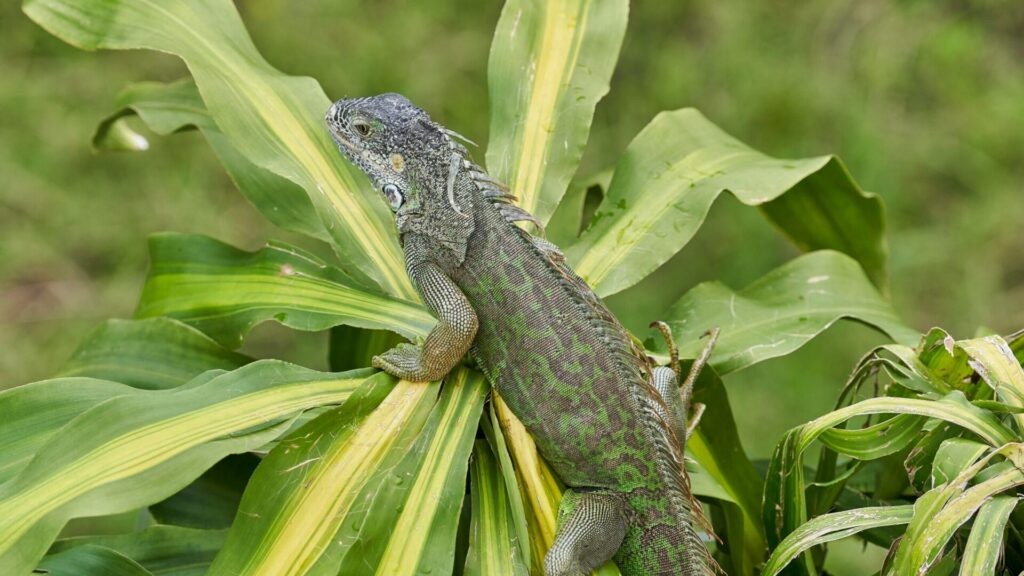
The rocks surrounding the fossils indicate the animal likely lived in freshwater lakes or slow moving rivers. Based on its relatives, researchers think it may have resembled a salamander with a longer snout. The animal may have reached lengths of up to three feet. Its aquatic lifestyle would have placed it among diverse prehistoric species living in those waters.
A Window Into Gondwana’s Lost Ecosystems
At the time Tanyka lived, Brazil was part of the ancient supercontinent Gondwana. The discovery provides valuable insight into the ecosystems that existed there during the Permian. Fossils like these help scientists understand how ancient communities were structured and how species interacted. Even millions of years later, this twisted jawed creature continues to reshape what researchers know about early life on Earth.
PetsFanatic Team
Pet Care Expert & Content Creator
Passionate about sharing knowledge and tips for better pet care. Writing about everything from pet health to training techniques.