
Scientists Found What May Be Earth’s First Mass Extinction and It Was More Catastrophic Than Anyone Realized

The history of life on Earth has been shaped by repeated episodes of destruction and renewal. While the extinction that ended the reign of dinosaurs 66 million years ago remains the most widely known, researchers have identified several other periods marked by significant biodiversity loss. Recent findings now suggest that the earliest of these events may have occurred far earlier than previously recognized, and with far greater impact.
Evidence from the fossil record reveals a notable decline in biodiversity around 550 million years ago. Prior to this shift, ancient oceans were populated by complex, soft-bodied organisms that resembled plant-like structures, although they belonged to early animal lineages. These lifeforms, known as the Ediacaran biota, suddenly disappeared and were replaced by simpler organisms, a transition historically referred to as the Kotlin Crisis.
For years, scientists acknowledged this period as one of ecological disruption, yet it was not classified as a true mass extinction. The estimated loss of species appeared insufficient to meet the conventional threshold, which defines such events as the disappearance of at least 75 percent of all species within a relatively short geological timeframe.
Rethinking the Scale of an Ancient Extinction

New research challenges earlier assumptions by proposing that the scale of loss during the Kotlin Crisis was significantly underestimated. Updated analyses suggest that as much as 80 percent of marine life may have vanished during this period, a figure that would firmly place it among the most severe extinction events in Earth’s history.
If confirmed, this finding would reposition the Kotlin Crisis as the earliest known mass extinction, predating what has long been considered the first major event, the Late Ordovician extinction approximately 445 million years ago. This reinterpretation not only alters the timeline of extinction events but also reshapes the understanding of how early animal life evolved under extreme environmental pressures.
The implications extend beyond classification. Recognizing a more extensive loss of biodiversity at this stage suggests that early ecosystems were more complex and more vulnerable than previously believed, challenging long-held assumptions about the resilience of early life.
Fossil Discoveries that Reshape the Narrative
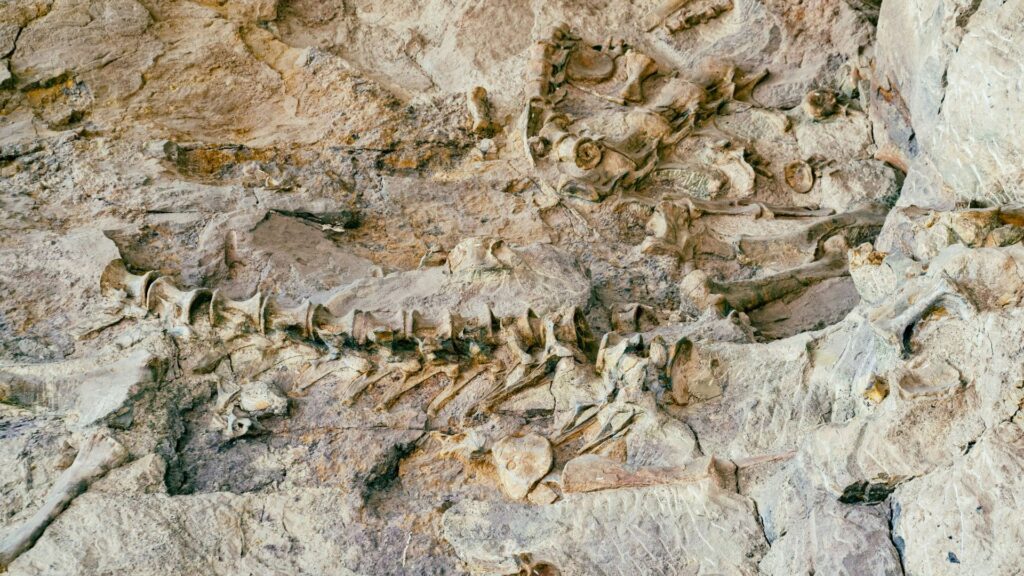
The new perspective is supported by exceptionally well-preserved fossils discovered at a site known as Inner Meadow in Newfoundland, Canada. These specimens, embedded in layers of ancient volcanic ash, provide rare insight into the structure and diversity of Ediacaran ecosystems just before the proposed extinction event.
Analysis of these fossils indicates that certain organisms associated with earlier evolutionary phases persisted far longer than scientists had assumed. This blurs the boundaries between previously defined stages of the Ediacaran period, particularly the transition between the Avalon and White Sea assemblages.
Such findings suggest that these organisms did not disappear gradually or in isolated events, but were instead swept away during a broader and more dramatic collapse. This reinforces the idea that the Kotlin Crisis affected a wider range of species, intensifying its significance in the evolutionary timeline.
An Unresolved Mystery at The Dawn of Animal Life

Despite the growing body of evidence, the cause of this early extinction remains uncertain. In later mass extinctions, catastrophic triggers such as asteroid impacts or large-scale volcanic activity often provide clear explanations. In this case, however, no definitive cause has been identified.
What makes this event particularly intriguing is the apparent stability that preceded it. Fossil data suggests that extinction rates among early Ediacaran organisms were remarkably low, indicating a long period of ecological balance before the sudden disruption.
This contrast highlights the abruptness and severity of the Kotlin Crisis, raising new questions about the forces capable of reshaping life so dramatically at such an early stage. As researchers continue to investigate Earth’s geological record, each new discovery brings them closer to understanding one of the most enigmatic turning points in the history of life.
PetsFanatic Team
Pet Care Expert & Content Creator
Passionate about sharing knowledge and tips for better pet care. Writing about everything from pet health to training techniques.