
Scientists Found Sharks Living Inside Volcano

Sharks usually bring to mind open oceans, not boiling craters. Yet scientists spotted them swimming inside Kavachi, an active underwater volcano in the Solomon Islands. The sight raised eyebrows since the waters churn with acidity, heat, and plumes of ash. Researchers studying the area expected smaller fish but never predators of that size. The unusual find left many questions. How do these sharks survive? What draws them there? The mystery keeps scientists returning.
Location and Activity of Kavachi Volcano

Kavachi sits in the Solomon Islands, about fifteen miles south of Vangunu Island. The volcano is active, so it regularly pushes gas, steam, and hot debris into the water. Eruptions can create discolored plumes that stretch for miles across the surface. The peak rises from the seafloor but never stays above water for long. Scientists call it one of the most active submarine volcanoes in the Pacific, and its eruptions often reshape the surrounding seascape.
Discovery of Sharks Inside the Volcanic Crater
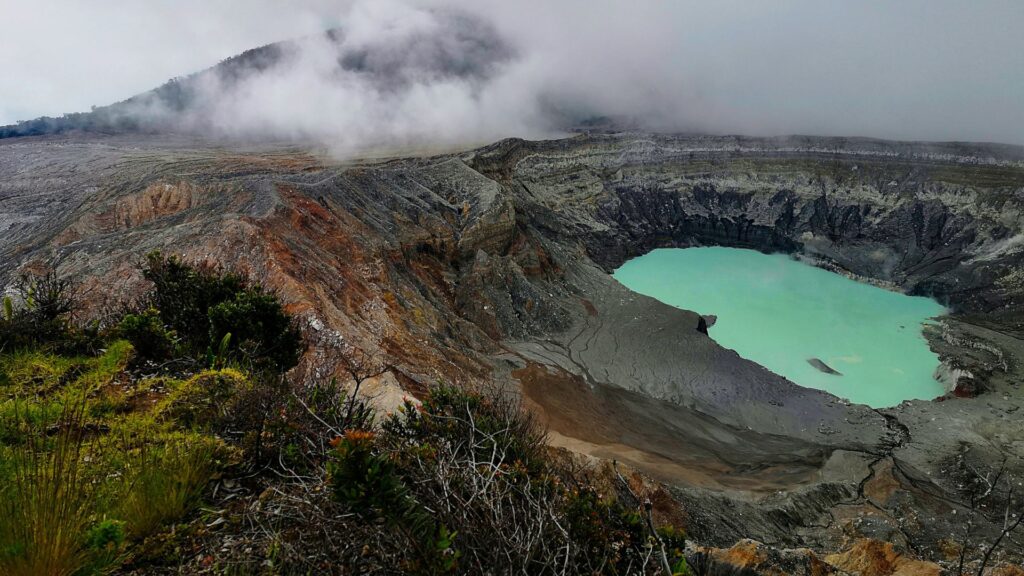
Researchers sent cameras into Kavachi’s crater in 2015 and were stunned to see sharks moving through the cloudy waters. The footage showed both hammerhead and silky sharks swimming near plumes of ash and heat. The conditions looked extreme, yet the animals seemed unbothered. Scientists also spotted smaller fish and microbial life in the crater, so it turned out to be a far more active environment than expected. The images sparked curiosity and ongoing study.
Adaptations of Sharks to Extreme Conditions

Sharks inside Kavachi face acidic water, heat, and bursts of volcanic activity, yet they continue to survive. Researchers think their bodies can handle rapid shifts in temperature and chemistry, so they move with ease where other animals might struggle. Hammerhead and silky sharks were both recorded, showing that more than one species can handle these waters. The crater also offers food sources, so the sharks seem to treat it as a natural hunting ground.
Ecological Role of Underwater Volcanoes

Underwater volcanoes like Kavachi create unusual environments that still manage to support life. Eruptions release minerals into the water, so microbes grow quickly and form the base of a food chain. Fish gather around those areas, which then attracts larger predators. The constant activity also reshapes habitats, giving marine life new places to move into. Scientists watch these sites closely since they can show how animals adjust to conditions that change faster than in calmer waters.
Shark Species Observed in the Volcano

Scientists documented hammerhead sharks and silky sharks inside Kavachi’s crater, so two very different species were sharing the same extreme space. Hammerheads are known for their wide, flat heads that help them sense prey, while silky sharks get their name from their smooth skin and fast swimming. Both were captured on camera moving through murky water filled with volcanic particles. Their presence showed the crater wasn’t empty at all, but supported predators at the top level.
Volcanic Eruptions and Their Impact on Marine Life
Eruptions at Kavachi can release hot water, gas, and ash, so the surrounding ocean changes quickly. Plumes often spread for miles, making the water cloudy and filled with minerals. Some species leave when activity increases, but others move in because the area also becomes rich in nutrients. That constant cycle of disturbance and renewal means new life keeps appearing around the crater. Sharks, fish, and microbes all take advantage of the shifting environment in different ways.
Scientific Expeditions and Observations at Sharkcano

Researchers have returned to Kavachi many times, so the volcano earned the nickname “Sharkcano.” In 2015, cameras sent into the crater captured unexpected footage of sharks, and later missions kept adding new details. Scientists also tracked eruptions from satellites, which showed how often the volcano shifts. Each visit gave a closer look at how marine life survives inside such an active site. The mix of technology and fieldwork has kept Sharkcano on the research radar.
Evolutionary Insights from Sharkcano

Observing sharks inside an active volcano gives researchers a chance to see how animals adapt in ways that aren’t usually visible. Sharks living in Kavachi show that survival can happen in extreme places, so scientists study them for clues about resilience and change. The environment pushes species to adjust quickly, and that can reveal patterns linked to evolution. Sharkcano offers a living example that helps connect volcanic activity with the long-term story of marine life.
Why Sharkcano Keeps Us Watching

Sharks swimming inside a volcano sound like something out of a movie, yet the sightings at Kavachi are very real. The mix of heat, ash, and predators makes the crater unlike anywhere else on Earth. Scientists keep going back because each expedition reveals more about how life pushes boundaries in surprising ways. So the next time you think of sharks, it’s not just open oceans that come to mind, but an active volcano filled with them.
PetsFanatic Team
Pet Care Expert & Content Creator
Passionate about sharing knowledge and tips for better pet care. Writing about everything from pet health to training techniques.