
Scientists Found One of Nature’s Most Effective Climate Fighters, and It Is Not Who You Would Expect

One wildlife species is quietly reshaping how carbon moves through landscapes, turning stream corridors into natural carbon storage systems, according to a March 18 study in Communications Earth & Environment. Researchers from the University of Birmingham and international partners measured carbon flows in a northern Switzerland waterway for the first time, calculating both emissions and sequestration from ecosystem engineering. The findings point to a low-cost climate solution already underway across Europe.
Dam-Building Beavers Transform Streams Into Carbon Sinks
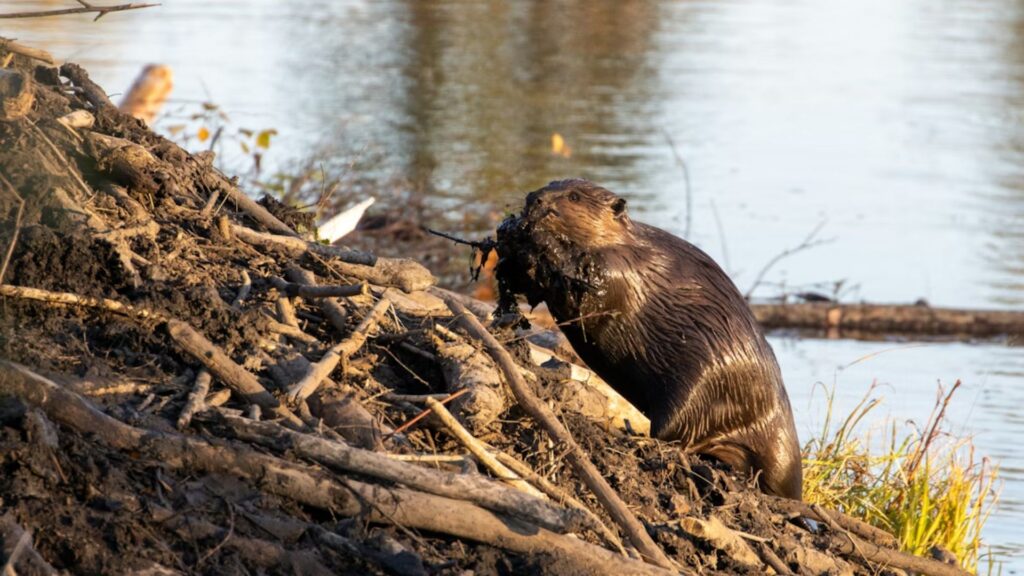
Beavers are the unexpected engineers behind this carbon capture system, according to study lead author Joshua Larsen of the University of Birmingham. By constructing dams, slowing water flow, and trapping sediments, the animals expand wetland areas that lock carbon away from the atmosphere. “Beavers don’t just change landscapes, they fundamentally shift how carbon dioxide moves through them,” Larsen said in a statement, per USA TODAY.
Swiss Waterway Provides First Carbon Budget for Beaver Wetlands
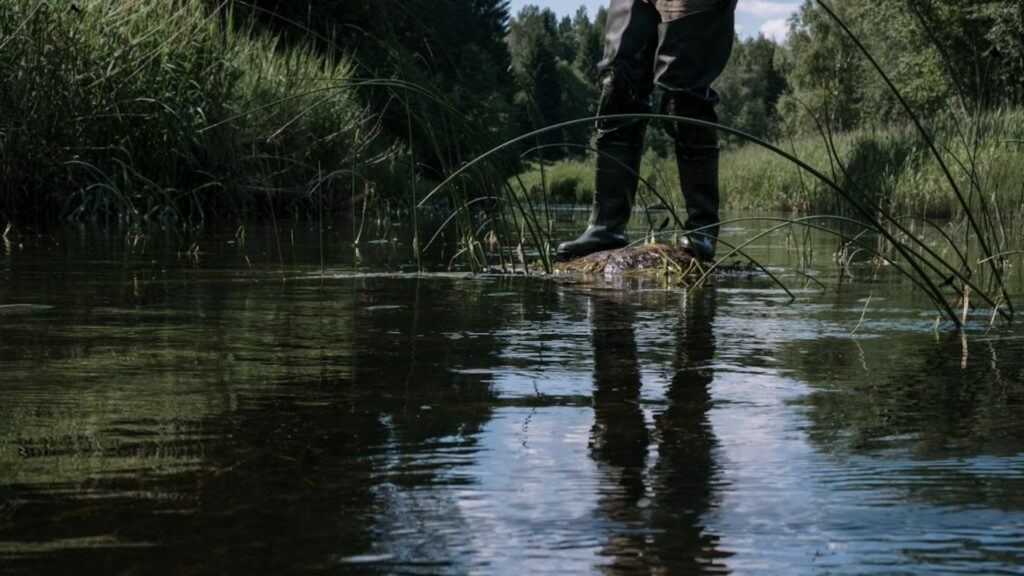
Researchers examined a half-mile stream corridor in northern Switzerland where beavers established wetlands starting in 2010. Before beaver activity, the area functioned as a tree-lined floodplain. Scientists collected sediment cores, forest samples, and algae from the stream while calculating water flow, salt content, and sediment movement. The comprehensive analysis marked the first time researchers calculated both carbon dioxide emitted and sequestered from beaver-engineered wetlands, Live Science reported.
The Measurement Process Tracked Carbon Through Multiple Pathways
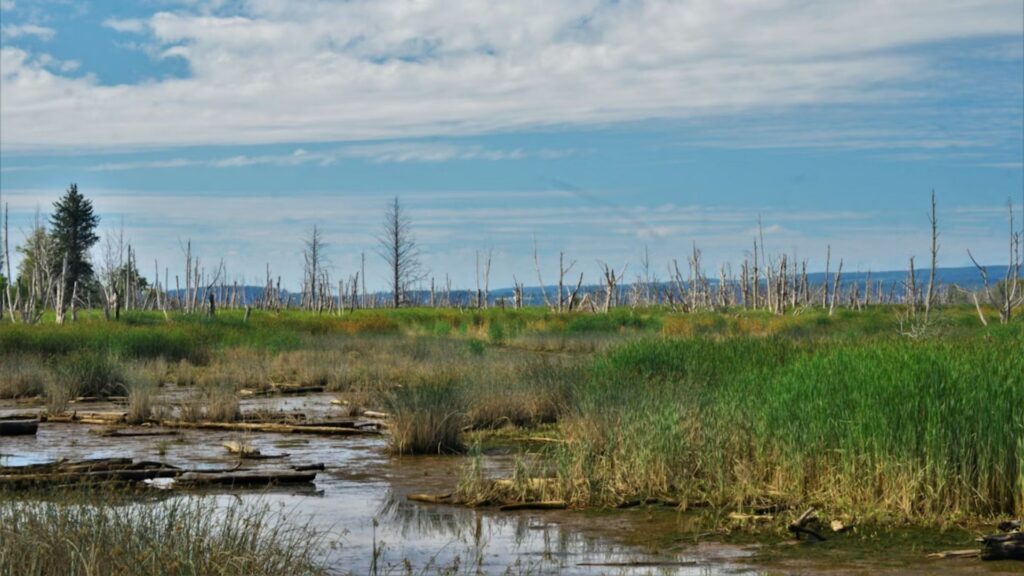
The research team measured carbon escaping into the atmosphere, dissolving in water, and accumulating in sediments, biomass, and deadwood. When beavers removed trees for dam construction, they opened the canopy for smaller plant growth. Scientists analyzed how carbon moved through these transformed ecosystems by tracking water chemistry, vegetation changes, and sediment accumulation rates. Study coauthor Lukas Hallberg said this approach ensured they didn’t overstate the carbon storage amounts.
Annual Carbon Sequestration Equals Hundreds of Barrels of Oil

The Swiss wetland functioned as a net carbon sink, sequestering 108 to 146 tons of carbon annually. That amount equals 832 to 1,129 barrels of oil consumed, according to the study. The measurements showed wetter conditions increased carbon storage while drier periods reduced it. “We went to so much effort to make sure we could get as good an estimate as possible,” Hallberg told USA TODAY.
Scaling Across Switzerland Could Offset National Emissions

Researchers projected that beaver wetlands across all suitable Swiss floodplains could offset 1.2% to 1.8% of the nation’s annual carbon emissions. The climate benefits would occur without human intervention or financial investment, according to the University of Birmingham. Annegret Larsen, assistant professor at Wageningen University in the Netherlands, described beavers as “powerful agents of carbon capture and adsorption” that physically change how carbon is stored across landscapes.
Few Animals Actively Engineer New Carbon Storage Systems

Most natural carbon storage comes from plants in forests, peatlands, and wetlands, Hallberg explained. What makes beavers unusual is their active landscape reshaping as an animal species. “By building dams, they create wetlands that trap and store carbon,” he said. “So they’re a rare example of wildlife directly engineering new carbon storage, rather than just being part of the system.” Other ecosystem engineers include caddisfly larvae and earthworms.
Centuries of Hunting Nearly Eliminated European Beaver Populations

Beavers were hunted to near extinction across Europe and North America, eliminating their carbon-rich wetlands with them. The species is now returning to rivers and landscapes across Europe following decades of conservation efforts. Their comeback presents opportunities to assess where environmental benefits can occur and support wildlife management decisions, Hallberg told USA TODAY. The ongoing resurgence allows researchers to study ecosystem restoration impacts in real time.
Restoration Could Deliver Significant Landscape Carbon Gains

Emily Fairfax, assistant professor at the University of Minnesota, who was not involved in the study, said the research counters misconceptions about wetland restoration. “The way that they described the beaver ponds as these durable carbon sinks, I think is really important,” she told Live Science. Earlier work from Colorado’s Rocky Mountain National Park estimated that active beaver wetlands account for as much as 23% of total landscape carbon storage. “If we were to restore beavers seriously,” Fairfax noted, carbon gains would be substantial.
Natural Engineers Offer Climate Solutions Without Infrastructure Costs

The study shows beavers can quietly help river landscapes store carbon for decades without expensive infrastructure. Fairfax added that healthier beaver wetlands make riverscapes more resistant to catastrophic wildfires, preventing additional carbon release. As one beaver science joke puts it: if you’ve got a problem, there’s a beaver for that. Working with these natural processes, Hallberg said, is both ecologically sound and economically sensible.
PetsFanatic Team
Pet Care Expert & Content Creator
Passionate about sharing knowledge and tips for better pet care. Writing about everything from pet health to training techniques.