
Scientists Find ‘Giant Structure’ Beneath Bermuda, Stumping Scientists

Scientists have uncovered an unusual rock formation beneath Bermuda’s oceanic crust measuring 12.4 miles thick, far thicker than any similar geological layer found elsewhere on Earth. The massive structure lies below the oceanic crust, creating an uncommon configuration where rock is emplaced within the tectonic plate itself. Seismologist William Frazer of Carnegie Science in Washington, D.C. led the discovery, which may finally explain why Bermuda sits elevated above the surrounding Atlantic Ocean despite 31 million years of volcanic inactivity.
The Rock Layer Sits Where Earth’s Mantle Should Be

The discovery defies normal geological expectations for oceanic regions. Typically, the bottom of the oceanic crust transitions directly into the mantle, but Bermuda’s structure is different. “In Bermuda, there is this other layer that is emplaced beneath the crust, within the tectonic plate that Bermuda sits on,” Frazer told Live Science. This unusual configuration creates something like a geological raft, raising the ocean floor by approximately 1,640 feet compared to the surrounding areas.
Bermuda’s Elevation Has Puzzled Scientists for Decades

Bermuda rises from an oceanic swell, a region where the ocean crust stands higher than its surroundings, but no ongoing volcanic activity explains this elevation. The island’s last known volcanic eruption occurred 31 million years ago, yet the swell persists. Island chains like Hawaii exist because of mantle hotspots where hot material rises, creating volcanic activity that buoys up the ocean floor. When tectonic movement slides the crust away from hotspots, oceanic swells typically subside, but Bermuda’s hasn’t.
Seismic Wave Analysis Revealed the Hidden Structure

Working with Yale University professor Jeffrey Park from the Earth and planetary sciences department, Frazer analyzed recordings captured by a seismic station on Bermuda. The team studied distant large earthquakes from around the world, examining places where seismic waves suddenly changed direction or speed. This technique allowed them to image Earth’s structure down to roughly 31 miles below the island, revealing the unusually thick rock layer that is less dense than the surrounding rock. Their findings were published on November 28 in Geophysical Research Letters.
The Last Eruption May Have Created a Permanent Raft

The discovery suggests that during Bermuda’s last known volcanic eruption 31 million years ago, mantle rock was forced into the crust and solidified there. This process created the giant structure that now acts like a geological raft supporting the island’s elevation. “There is still this material that is left over from the days of active volcanism under Bermuda that is helping to potentially hold it up,” said Sarah Mazza, a geologist at Smith College in Massachusetts.
The Rock Contains Clues About Ancient Supercontinents
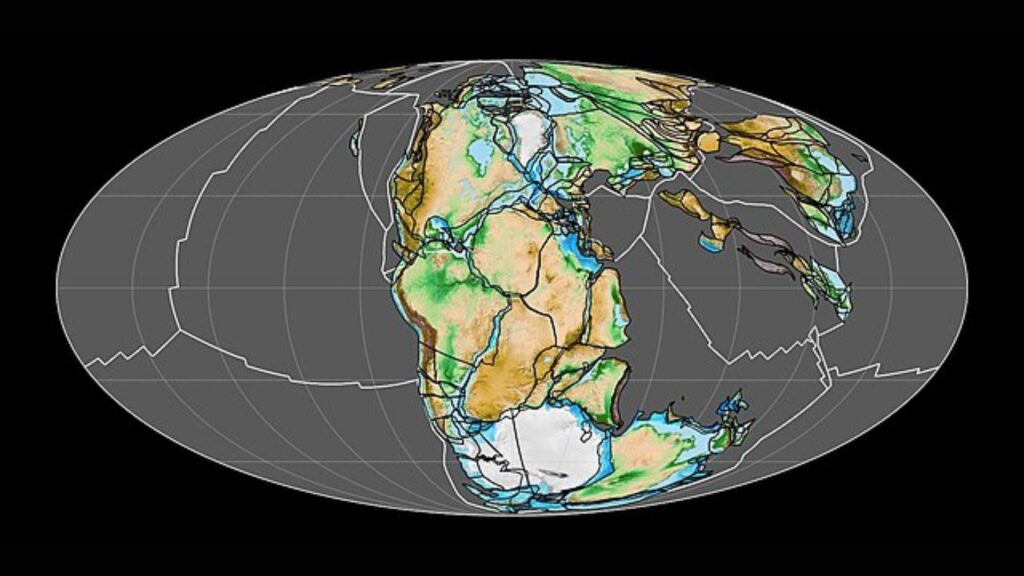
Through her analysis of Bermuda’s volcanic history, Mazza discovered that the island’s lavas contain unusually low amounts of the mineral silica, suggesting they originated from carbon-rich rock. Her examination of variations in zinc molecules in Bermuda samples, published in September in the journal Geology, traced this carbon to deep within the mantle. It was likely first pushed there when the supercontinent Pangea formed between 900 million and 300 million years ago. This differs significantly from what scientists observe at hotspot-formed islands in the Pacific or Indian oceans.
The Atlantic Ocean’s Youth Makes Bermuda Unique

The distinction between Bermuda and the Pacific islands may stem from the Atlantic Ocean’s relative youth. When Pangea broke apart, the Atlantic formed in the gap, making it significantly younger than the Pacific or Indian oceans that bordered the ancient supercontinent. “The fact that we are in an area that was previously the heart of the last supercontinent is, I think, part of the story of why this is unique,” Mazza explained.
The Real Mystery Surpasses the Bermuda Triangle Legend

While Bermuda has long carried a mysterious reputation due to the Bermuda Triangle, a zone spanning from the archipelago to Florida and Puerto Rico, where ships and aircraft have allegedly disappeared in unusual numbers, this notoriety has been largely exaggerated. The real mystery lies in understanding why Bermuda’s oceanic swell exists and persists. Scientists continue debating what’s happening in the mantle beneath the island, though no surface eruptions are occurring.
Researchers Are Searching for Similar Structures Worldwide

Frazer is now examining other islands around the world to determine if similar layers exist beneath them or whether Bermuda’s structure is truly one of a kind. The research aims to distinguish between normal and extreme geological processes. “Understanding a place like Bermuda, which is an extreme location, is important to understand places that are less extreme,” Frazer said, helping scientists identify what constitutes typical versus exceptional Earth processes.
The Discovery Reveals How Ancient Volcanic Islands Can Persist

The 12.4-mile-thick rock layer beneath Bermuda represents a geological phenomenon unlike any other discovered on Earth. By revealing how ancient volcanic material can remain frozen within the oceanic crust for 31 million years, the finding challenges previous assumptions about island elevation. The research demonstrates that volcanic remnants can create permanent structural support, allowing oceanic swells to persist long after volcanic activity ceases. Frazer continues examining other islands worldwide to determine whether Bermuda’s structure is truly one of a kind.
PetsFanatic Team
Pet Care Expert & Content Creator
Passionate about sharing knowledge and tips for better pet care. Writing about everything from pet health to training techniques.