
Scientists find a mysterious new creature more than 1,000 meters deep in the Caribbean Sea
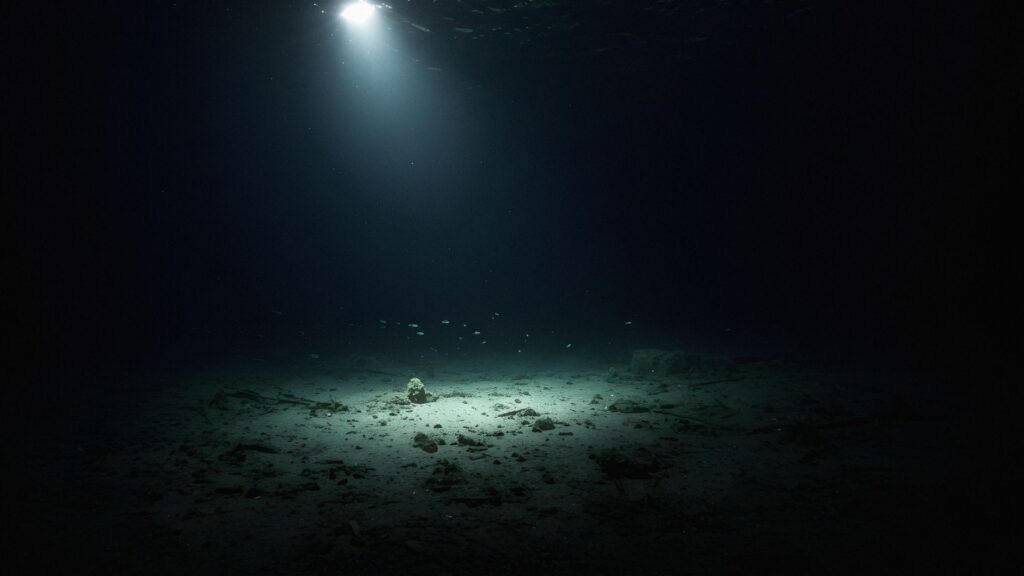
Far below the turquoise waters commonly associated with the Caribbean, an entirely different world exists. In permanent darkness, under intense pressure and near-freezing temperatures, scientists have documented a rare deep-sea inhabitant never before recorded in this region. The discovery deepens our understanding of ocean life and reminds us how much of the marine world remains unexplored.
Into the Hidden Depths of the Caribbean
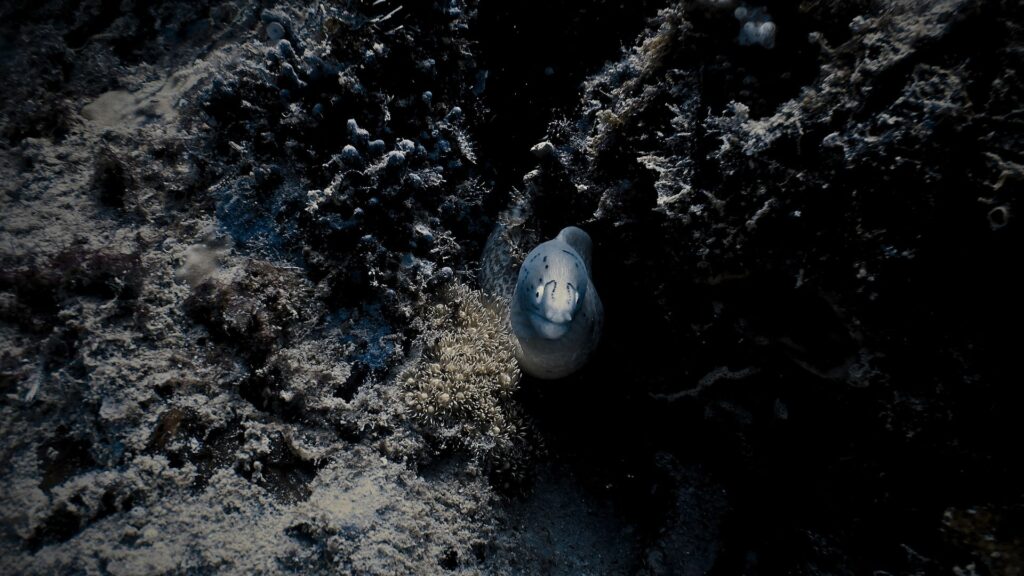
More than a thousand meters below sea level, the Caribbean Sea becomes an extreme environment where sunlight no longer reaches. This remote zone, largely inaccessible to humans, supports life forms uniquely adapted to survive in isolation. The recent finding emerged from this concealed ecosystem, offering scientists a rare glimpse into biological processes unfolding far beneath the surface.
A Mission Focused on the Unknown

The expedition was led by the non-profit organization Beneath The Waves, in collaboration with the Department of Environment of the Cayman Islands. Their shared goal was to document biodiversity in deep marine areas that remain scientifically understudied. By concentrating on the abyssal plains near Little Cayman, the team aimed to gather reliable data from one of the least observed habitats on Earth.
Technology That Reaches the Abyss

Exploring such depths requires specialized tools capable of operating under extreme conditions. Researchers deployed deep-sea baited remote underwater video systems, known as dBRUVS, which allow observation without interfering with natural behavior. These systems descend slowly into the darkness, transmitting valuable footage from environments beyond the reach of conventional diving.
The Moment of Discovery

At a depth of approximately 1,054 meters, a dark figure appeared on the live video feed. The animal moved with calm precision, circling the bait in a way that immediately caught the researchers’ attention. It was clear that this encounter was unusual, marking the first documented sighting of this species in the central Caribbean Sea.
A First Record for the Region

This observation represents a significant expansion of existing scientific records. Confirming the presence of the species in this part of the Caribbean helps refine current knowledge about deep-sea distribution. Each verified sighting contributes to a more accurate understanding of how marine life is spread across vast and interconnected ocean basins.
Identifying the Roughskn Dogfish

The creature was identified as the roughskin dogfish, known scientifically as Centroscymnus owstonii. This elusive shark belongs to the sleeper shark family and is rarely observed in its natural habitat. Its coarse skin and measured movements are hallmarks of a predator adapted to life in the deep ocean.
Built for Extreme Survival

The roughskin dogfish has evolved to withstand immense water pressure, cold temperatures, and limited food availability. Its biological features prioritize efficiency and endurance rather than speed. These adaptations allow it to persist in conditions that would be uninhabitable for most marine species.
Why This Shark Matters to Science

Encounters with rare deep-sea predators provide valuable insights into how these ecosystems function. Species like the roughskin dogfish often occupy important ecological roles, influencing population balance and energy flow. Studying them helps scientists better understand how life persists in some of the planet’s harshest environments.
Clues About Deep-Sea Distribution

The presence of this shark in the central Caribbean raises new questions about how deep-sea species migrate and disperse. It suggests that certain animals may inhabit broader ranges than previously believed, traveling along deep ocean pathways that remain largely uncharted.
Protecting What We Barely Know

Findings like this emphasize the need for continued deep-sea research and conservation efforts. As human activity increasingly extends into deeper waters, understanding these fragile ecosystems becomes essential. Documenting species and their habitats is a crucial step toward protecting ocean life that we are only beginning to understand.
PetsFanatic Team
Pet Care Expert & Content Creator
Passionate about sharing knowledge and tips for better pet care. Writing about everything from pet health to training techniques.