
Scientists Finally Uncover How Easter Island’s Iconic Moai Statues Got There

For centuries, the immense stone figures scattered across Easter Island have stirred curiosity and debate. Known as the Moai, these statues have long been surrounded by mystery, with theories ranging from supernatural powers to complex engineering feats. Now, recent research offers an answer that bridges science and legend, revealing how these colossal figures made their remarkable journey across the island.
A mystery standing in stone

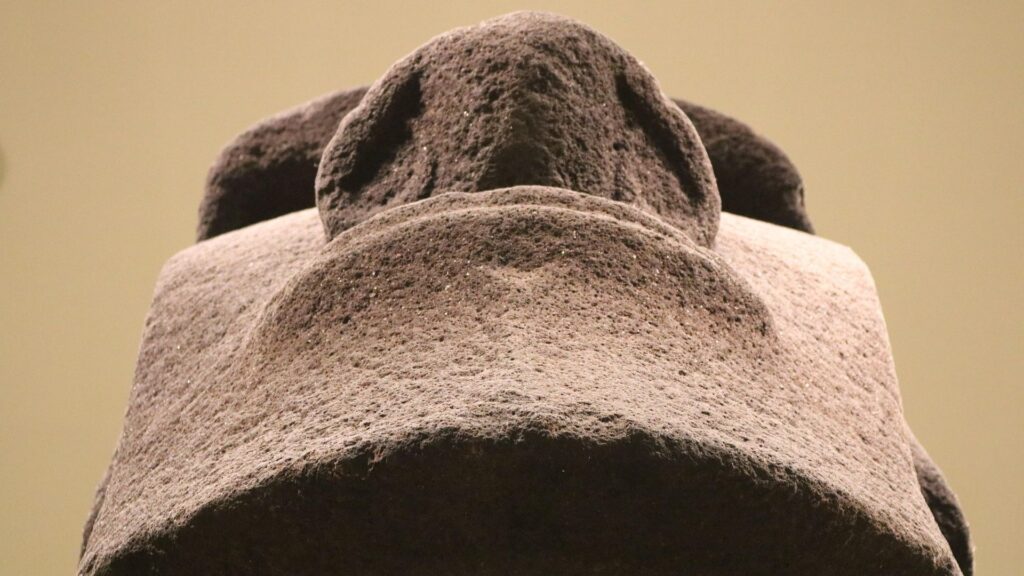
The Moai of Easter Island, or Rapa Nui, were carved between the 12th and 17th centuries. When European explorers first arrived in 1722, they found hundreds of these statues positioned across the landscape, facing inland as if watching over the people. While their massive heads are most recognizable, many actually have full bodies buried beneath centuries of soil and sediment.
The legends of movement

According to Rapa Nui oral traditions, the statues “walked” to their final resting places. For generations, this phrase was interpreted symbolically or dismissed as myth. Yet, the new study suggests the ancestors of the island may have described the process with surprising accuracy. The statues, it turns out, might have really “walked”, in their own engineered way.
New light on an ancient puzzle

Researchers Carl P. Lipo and Terry L. Hunt from the Journal of Archaeological Science have revisited the long-standing question of Moai transport. Their findings propose that the statues were not dragged horizontally as once believed, but rather moved upright in a rhythmic rocking motion. This method fits both the island’s geography and the traditional narratives of movement.
Walking the giants

Using 3D modeling and statistical mapping, the researchers analyzed nearly a thousand statues to understand their structure. The Moai’s D-shaped bases and forward tilt, they found, were not accidental. These design elements made it possible to secure ropes and move the statues in a controlled, walking-like motion.
Testing the theory

To confirm their hypothesis, the team recreated the process with replicas. Eighteen people, working in coordination, managed to move a statue 328 feet in just forty minutes. The experiment demonstrated that, when properly balanced, the statues could indeed “walk” using minimal effort, unlike previous transport theories that required far larger crews and more resources.
A triumph of ingenuity

This discovery changes the long-standing view that building and transporting the Moai contributed to the island’s environmental decline. Instead, it highlights the Rapa Nui people’s exceptional engineering and planning skills. Their techniques show adaptation, intelligence, and respect for both the land and their cultural heritage.
Harmony between science and story

The study’s findings beautifully align with Rapa Nui’s ancestral stories. What was once thought to be metaphorical now appears to be an accurate description of real events. The “walking” statues were not a myth after all, but a reflection of human ingenuity passed down through oral tradition.
A living heritage

Today, the Moai continue to symbolize the creativity and endurance of the Rapa Nui culture. Each statue represents ancestors who, according to belief, watch over the island’s inhabitants. The rediscovery of their movement connects the present-day community with its historical roots, reinforcing cultural identity and pride.
Easter Island’s enduring appeal

Modern visitors are still drawn to this remote Pacific island for its mystery and serenity. Accessible mainly through Santiago, Chile, Easter Island remains one of the most isolated inhabited places on Earth. Before the pandemic, it welcomed over 150,000 travelers annually, contributing significantly to local tourism and preservation efforts.
Where past and present meet
The story of the Moai is no longer just about how these statues were built or moved. It’s a narrative about human capability, tradition, and continuity. As science unravels the physical mechanics behind their transport, it also honors the deep cultural wisdom of the Rapa Nui people, showing that sometimes, legends hold more truth than we expect.
PetsFanatic Team
Pet Care Expert & Content Creator
Passionate about sharing knowledge and tips for better pet care. Writing about everything from pet health to training techniques.