
Scientists Discover New Life Forms 31,000 Feet Beneath the Ocean Surface

Scientists exploring one of the deepest parts of the ocean have discovered thriving ecosystems more than 31,000 feet below the surface, revealing a hidden world of life in total darkness and extreme pressure. The expedition uncovered dense communities of organisms living in deep ocean trenches where sunlight never reaches, challenging long-held assumptions about the limits of life on Earth. These findings show that life can survive in some of the most extreme environments ever recorded on the planet. Research teams used advanced submersibles to reach the hadal zone and document these previously unseen ecosystems.
A Journey Into the Hadal Zone
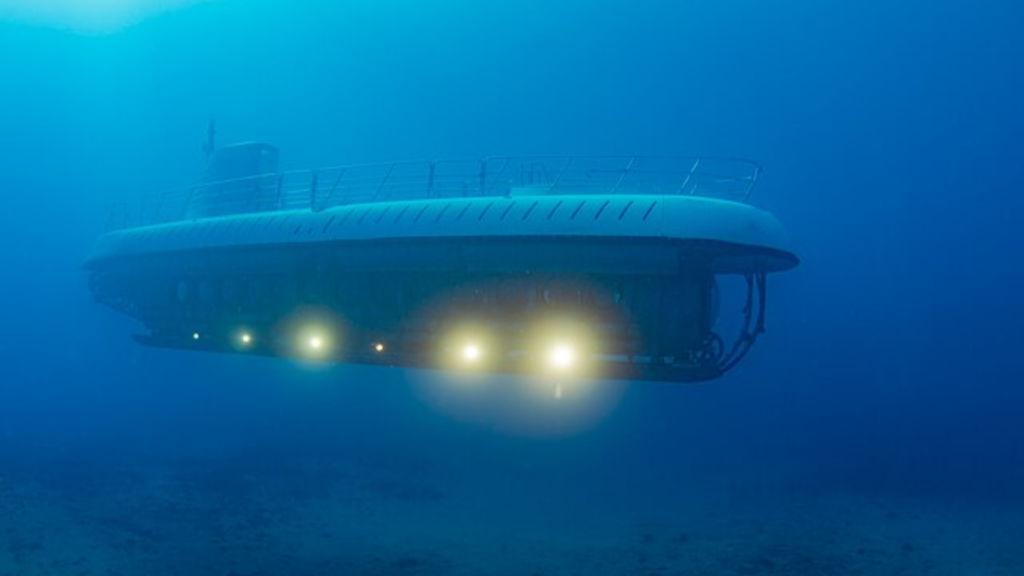
The discoveries were made in the hadal zone, the deepest region of the ocean, stretching below 20,000 feet and reaching extreme depths of over 9,000 meters. Researchers used a crewed submersible to explore trenches in the northwest Pacific Ocean, including areas between Japan and Alaska. These environments are so deep that no sunlight can penetrate, making them some of the least explored regions on Earth. The mission revealed that even in these harsh conditions, complex ecosystems can thrive.
A Hidden Ecosystem Thriving in Darkness

Instead of relying on sunlight, the newly discovered organisms survive through chemosynthesis, a process where microbes convert chemical compounds like methane and hydrogen sulfide into energy. These microbial processes form the base of entire food webs that support tube worms, clams, and other deep-sea creatures. Scientists found dense clusters of life anchored around seafloor seep systems that provide the chemical fuel needed for survival. This reveals a completely different way ecosystems can exist without sunlight.
Record-Breaking Depths for Complex Life
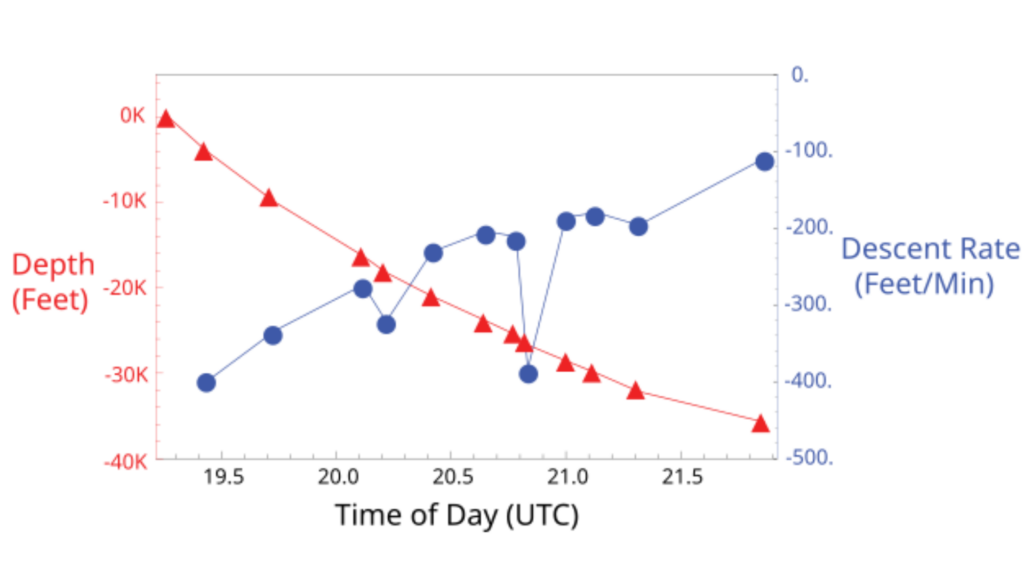
The ecosystems were found at depths reaching approximately 31,000 feet, making them among the deepest known communities of complex life ever documented. These extreme environments experience crushing pressure and near-freezing temperatures, yet still support diverse biological communities. Researchers observed that life was not only present but abundant in multiple trench locations. This challenges previous assumptions that such depths were too extreme for sustained ecosystems.
Tube Worms and Strange Deep-Sea Species
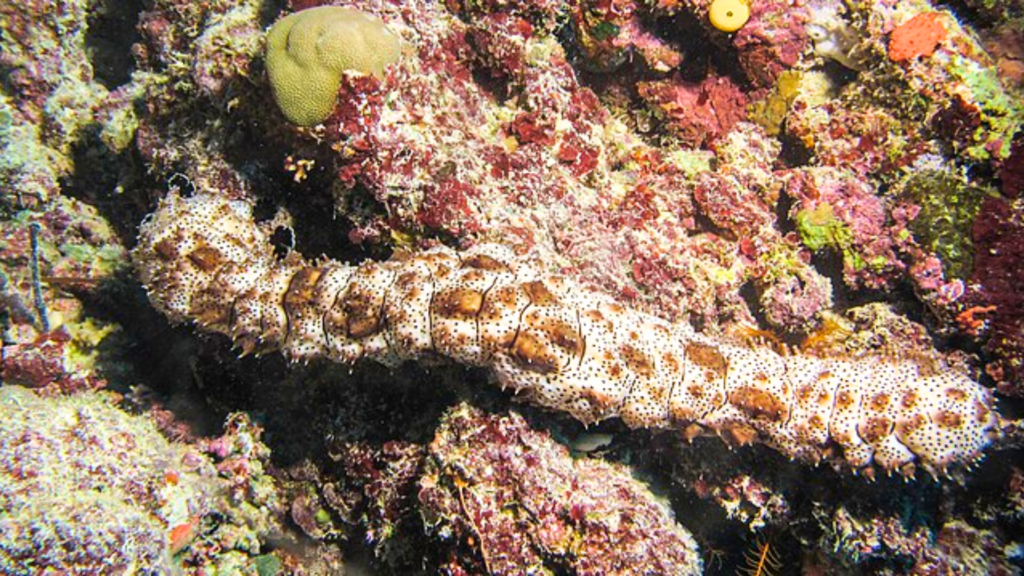
Among the most striking discoveries were fields of tube worms, clusters of mollusks, and unusual worm-like and sea cucumber species adapted to life in total darkness. These organisms form tightly connected communities that depend on microbial activity for survival. Some species live in symbiosis with bacteria that process chemical energy, allowing them to thrive where no sunlight exists. Scientists believe many of these species may be entirely new to science.
Life Without Sunlight Changes Scientific Assumptions
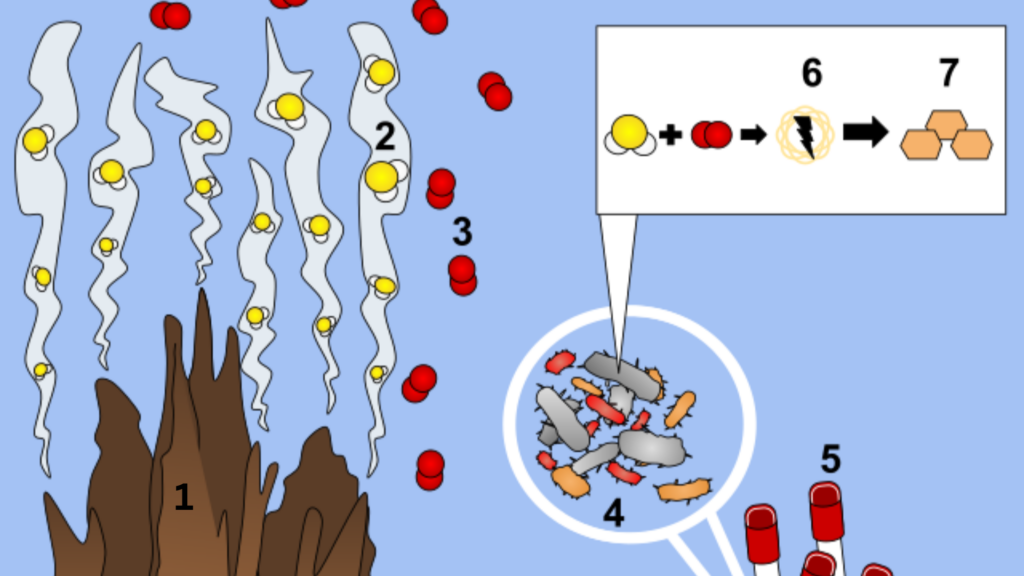
For decades, scientists believed most deep-sea ecosystems depended on organic matter falling from surface waters. The new discovery challenges that idea by showing that entire ecosystems can be powered independently of sunlight. Instead of photosynthesis, chemosynthesis fuels these deep communities through chemical reactions in the seafloor. This fundamentally changes how scientists understand the energy systems that support life on Earth.
Extreme Pressure and Survival Mechanisms
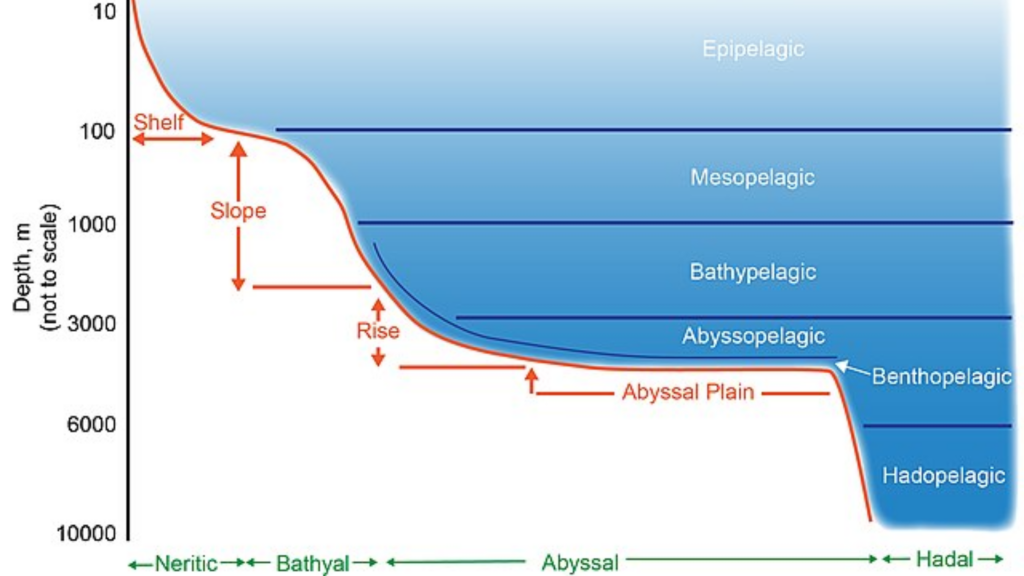
At depths of over 9,000 meters, pressure is more than 1,000 times greater than at sea level, creating conditions that would crush most known life forms. Yet the organisms discovered have adapted unique biological mechanisms that allow them to survive and reproduce in these extreme environments. Researchers believe specialized metabolic pathways and symbiotic relationships are key to their survival. These adaptations highlight the resilience of life under extreme physical stress.
New Species Likely Waiting to Be Identified
Scientists estimate that many of the organisms collected during the expedition may represent species previously unknown to science. Early analysis suggests a high level of biodiversity across multiple trench sites, indicating that deep-sea ecosystems may be far more widespread than once believed. Researchers continue to study collected samples to better understand their genetic makeup and ecological roles. Each new discovery adds to the growing picture of life in Earth’s deepest environments.
What This Means for Life Beyond Earth
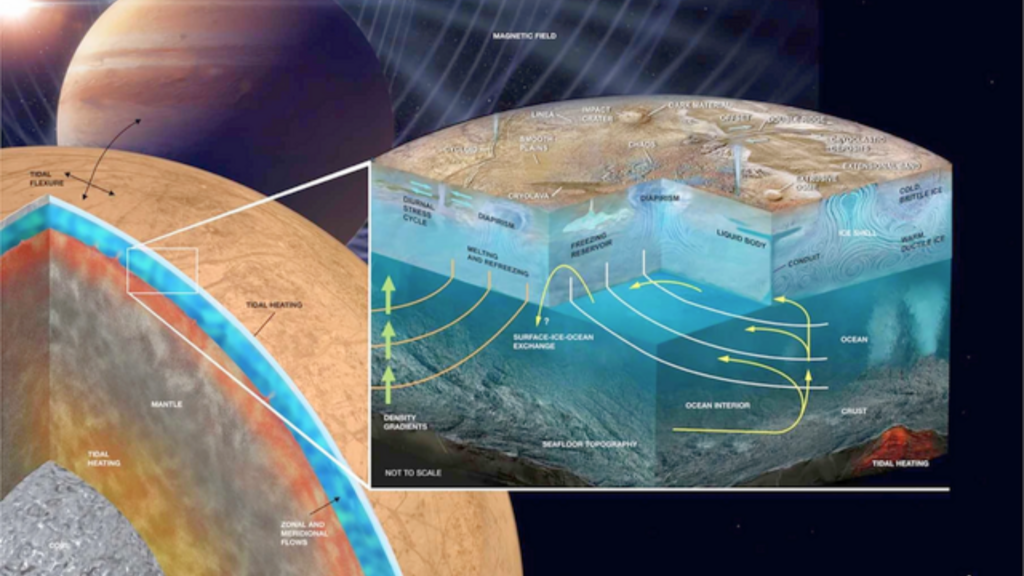
The discovery of life thriving in total darkness and extreme pressure has major implications for the search for life beyond Earth. Scientists suggest that similar chemosynthetic ecosystems could exist in subsurface oceans on moons such as Europa or Enceladus. These findings expand the definition of habitable environments and strengthen the idea that life may exist in places once thought impossible. The deep ocean is now seen as a model for understanding potential extraterrestrial ecosystems.
Redefining the Limits of Life on Earth
The discovery of new life forms more than 31,000 feet beneath the ocean surface reveals that Earth still holds vast unexplored ecosystems operating under extreme conditions. These findings show that life can thrive without sunlight, under crushing pressure, and in complete darkness by relying on chemical energy sources. As exploration continues, scientists expect even more unknown species and ecosystems to be uncovered. This breakthrough reshapes our understanding of where life can exist both on Earth and potentially across the universe.
PetsFanatic Team
Pet Care Expert & Content Creator
Passionate about sharing knowledge and tips for better pet care. Writing about everything from pet health to training techniques.