
Scientists Discover “Ghostly” Jellyfish and 25 Possible New Species in Major Breakthrough

A recent deep-sea expedition has unveiled an extraordinary portrait of life hidden beneath the waters off Argentina’s coast. Led by an international team aboard the Schmidt Ocean Institute’s research vessel R/V Falkor (too), scientists explored the country’s continental shelf using the remotely operated vehicle SuBastian. What they encountered surpassed expectations, revealing ecosystems of remarkable richness and complexity.
Throughout the journey, the team surveyed vast stretches of the seafloor, documenting habitats that had never been closely studied before. Among the most striking discoveries was the largest known reef formed by Bathelia candida corals, a structure that rivals the footprint of small city-states in size. This finding alone reshapes current understanding of deep-sea coral distribution in the South Atlantic.
Beyond the reef itself, researchers identified signs of at least 28 potential new species, ranging from delicate worms to previously unknown corals and sea snails. Each observation added another layer to a growing picture of biodiversity thriving far from sunlight, sustained by finely balanced ecological processes.
Cold Seeps and Unexpected Biodiversity

A central goal of the expedition was the search for cold seeps, areas where gases and chemical compounds escape from the seabed and nourish microbial life. These microbes form the foundation of unique food webs, supporting organisms such as clams, mussels, and tube worms. The team successfully located a cold seep zone extending over more than one square kilometer, making it one of the most extensive ever recorded in the region.
The scale and vitality of this site surprised even seasoned researchers. According to the expedition’s lead scientists, the density of life observed challenged long-held assumptions about the Argentine deep sea. The interconnectedness of species and habitats suggested ecosystems that are not only diverse but also deeply interdependent.
Equally significant was the discovery of Bathelia coral reefs farther south than previously documented. As a recognized indicator of vulnerable marine ecosystems, the presence of this coral highlights both the ecological value of the area and the need for careful stewardship to protect species that rely on these structures for shelter and survival.
Rare Encounters in the Deep Ocean
Among the most memorable moments of the mission was the documentation of Argentina’s first recorded deep-water whale fall. Found at nearly 3,900 meters below the surface, the remains of the whale supported a temporary yet bustling ecosystem. Crabs, sharks, octopuses, and other scavengers gathered around the carcass, illustrating how even death plays a crucial role in sustaining life in the deep ocean.
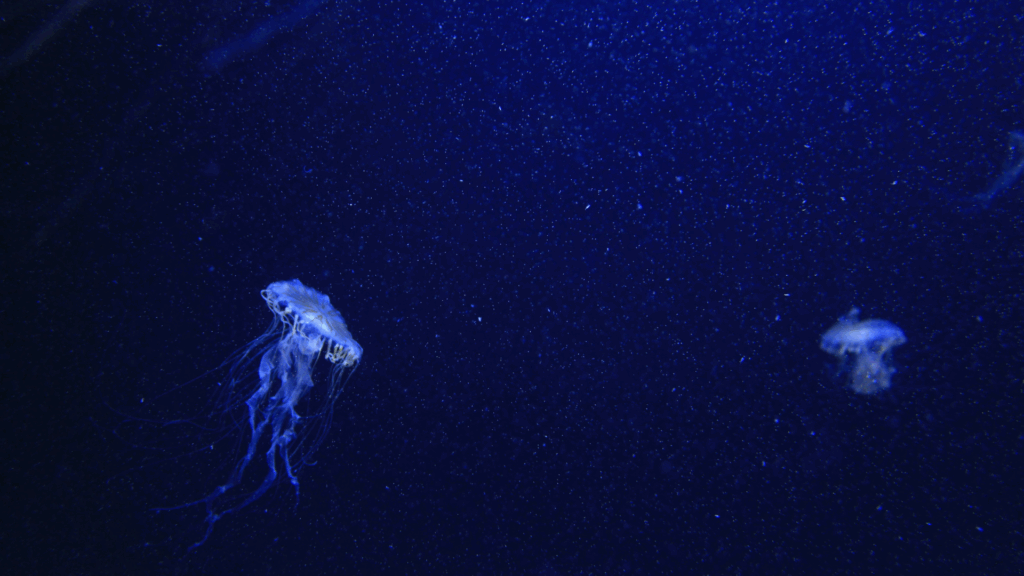
The team also captured images of a rarely seen phantom jellyfish, often described as ghostly due to its translucent appearance. These elusive creatures can reach lengths comparable to a school bus, making their graceful presence all the more striking against the dark backdrop of the abyss.
Each encounter provided valuable data and rare visual records, offering scientists new material to study deep-sea adaptation, behavior, and ecological succession in environments that remain largely unexplored.
New Knowledge and Lingering Concerns

In addition to biological discoveries, the expedition gathered an extensive collection of chemical and physical samples that will support research for years to come. These materials are expected to shed light on how deep-sea ecosystems function, how they connect to broader ocean systems, and how sensitive they may be to environmental change.
However, the journey also revealed troubling signs of human impact. Discarded fishing nets, plastic debris, and even an old VHS tape were found resting on the seafloor, stark reminders that no part of the ocean is truly untouched. Such findings raise urgent questions about pollution pathways and long-term consequences for deep marine life.
Despite these challenges, researchers emphasize that expeditions like this open new windows into Earth’s largest living space. With oceans accounting for the vast majority of habitable environments on the planet, each discovery reinforces both the wonder of what lies beneath and the responsibility to protect it for future generations.
PetsFanatic Team
Pet Care Expert & Content Creator
Passionate about sharing knowledge and tips for better pet care. Writing about everything from pet health to training techniques.