
Scientists Discover 200-Year-Old Rock Art in South Africa Depicting Mysterious Creature

A remarkable find in South Africa has shed new light on how ancient peoples may have interpreted the natural world around them. Hidden for centuries beneath layers of rock, a vivid painting of a tusked beast now offers fresh clues about the intersection of fossil evidence and indigenous belief.
Unveiling an Ancient Canvas

High on a weathered cliff face, researchers have uncovered a painting dating between 1821 and 1835. The artwork, rendered with striking detail, portrays an animal crowned with horns and tusks, immediately capturing the imagination of archaeologists and paleontologists alike.
A Creature Beyond Imagination

The figure does not correspond to any living African species. Its downward-curving tusks and bulky frame intrigue scholars, who see a striking resemblance to prehistoric dicynodonts, mammal relatives long thought extinct in the region.
Fossils in the Footsteps

Surrounding the painted panel, teams discovered numerous tetrapod fossils embedded in the sandstone. Their proximity to the rock art suggests that early observers may have stumbled upon these remains and woven them into cultural narratives.
From Bones to Belief

The San people, custodians of this landscape, held deep spiritual connections to the land and its creatures. They believed that extinct giants once roamed the plains, and their ceremonies often invoked these ancestral beings to ensure bountiful rains.
Rain-Making Rituals Revealed

Ethnographic accounts describe a horned serpent invoked during rainfall ceremonies. Scholars propose that the painted beast served as a “rain-animal,” a divine intercessor whose image guided ritual dances and offerings to appease sky spirits.
Indigenous Paleontology
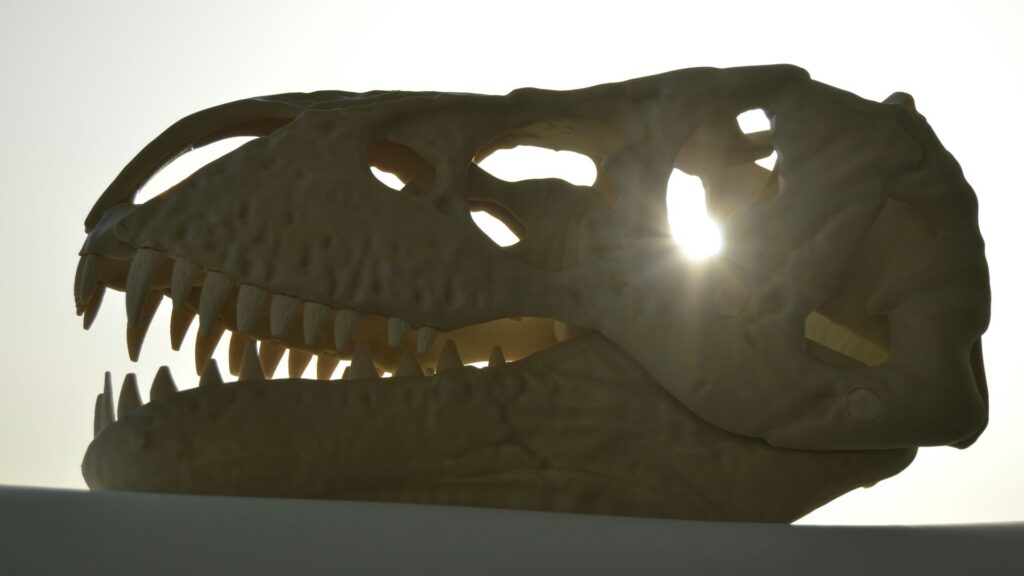
Julien Benoit, leading the recent study, argues that this rock art represents an intuitive form of paleontology. By integrating fossil fragments into spiritual lore, the San effectively archived their own discoveries through enduring imagery.
Bridging Myth and Science

Although direct identification remains speculative, the alignment of tusk orientation, local fossil abundance, and San legend creates a compelling argument. This fusion of myth and material may eventually rewrite our understanding of prehistoric life in southern Africa.
A New Chapter in Rock Art

As further analysis unfolds, these 200-year-old depictions may transform from enigmatic symbols into concrete evidence of early human engagement with deep time. The aged pigments not only tell a story of devotion but also celebrate humanity’s timeless curiosity about the vanished world.
PetsFanatic Team
Pet Care Expert & Content Creator
Passionate about sharing knowledge and tips for better pet care. Writing about everything from pet health to training techniques.