
Scientists Debate Claim That “Extinct” Dire Wolves Are Back
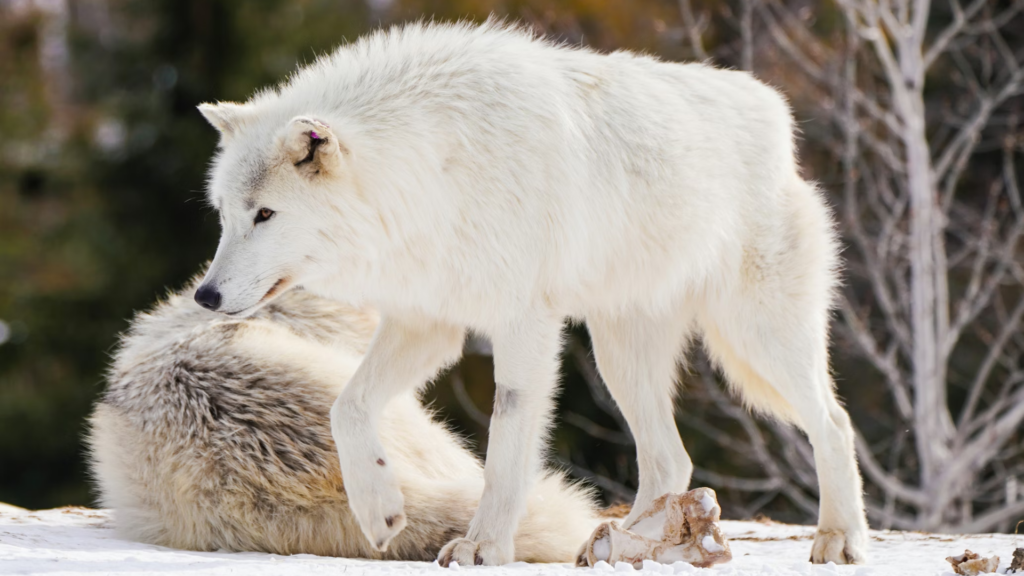
A bold scientific claim has reignited debate in the research community after a biotechnology company announced it had effectively brought the extinct dire wolf back to life. The species, which disappeared more than 10,000 years ago at the end of the last Ice Age, has long captured the imagination of scientists and the public alike. Now, new advances in genetic engineering are challenging what it really means for a species to be “extinct.”
The company behind the effort, Colossal Biosciences, used ancient DNA extracted from fossils and combined it with modern gene-editing tools to create animals that resemble dire wolves. The result has sparked excitement about the possibilities of “de-extinction,” while also raising serious questions about scientific accuracy and ethics.
While the announcement has generated headlines suggesting a prehistoric predator has returned, many scientists argue the reality is far more complicated. The debate now centers on whether these animals are truly dire wolves or simply modern wolves that have been genetically altered to look like them.
Why Scientists Disagree on the “Return” of Dire Wolves
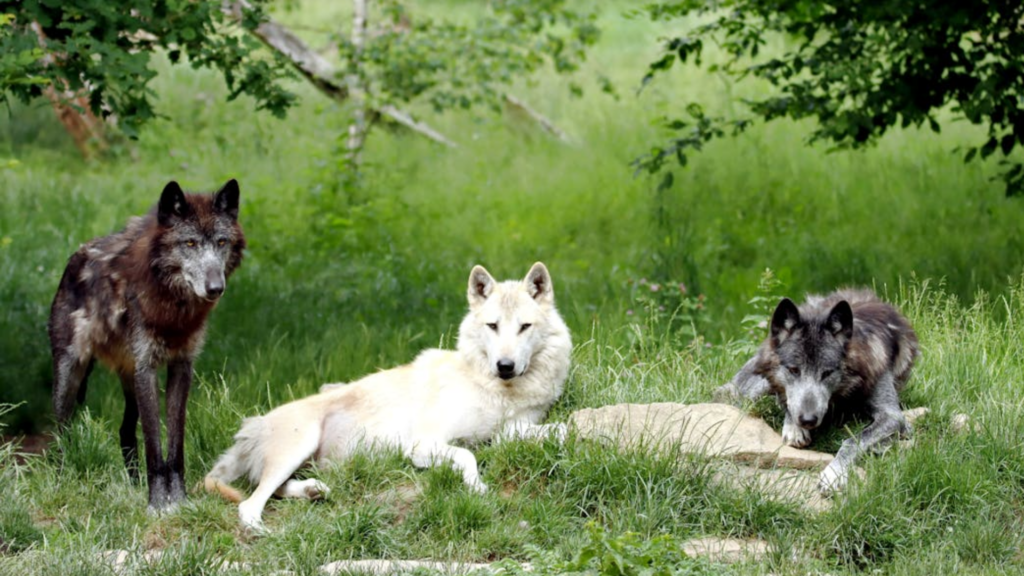
Critics of the claim point out that the animals created are not exact replicas of the extinct species. Instead, researchers modified the DNA of gray wolves, which are the closest living relatives of dire wolves, to introduce certain physical traits identified in fossil records.
Some scientists argue that altering a small number of genes does not recreate an extinct species in its entirety. They say these animals are better described as genetically engineered hybrids rather than true dire wolves, since the vast majority of their DNA still comes from modern wolves.
The disagreement highlights a deeper scientific question about how species are defined. While some researchers focus on physical appearance, others emphasize genetic identity and evolutionary history, making the idea of “bringing back” an extinct animal far more complex than it may seem.
The Science Behind “De-Extinction” Efforts

The process used to create these wolf-like animals relies on advanced gene-editing technologies such as CRISPR. Scientists first analyze fragments of ancient DNA recovered from fossils, then identify key traits they want to reproduce in a living species.
Those genetic traits are inserted into the DNA of a closely related modern animal, in this case the gray wolf. The modified embryos are then implanted into surrogate animals, eventually leading to the birth of offspring that carry some characteristics of the extinct species.
Supporters of the technology argue that these efforts could help conservation by restoring lost genetic diversity or even reviving ecosystems. However, critics warn that the science is still limited, and that recreating the full behavior, environment, and ecological role of extinct animals may not be possible.
What This Means for the Future of Science and Conservation
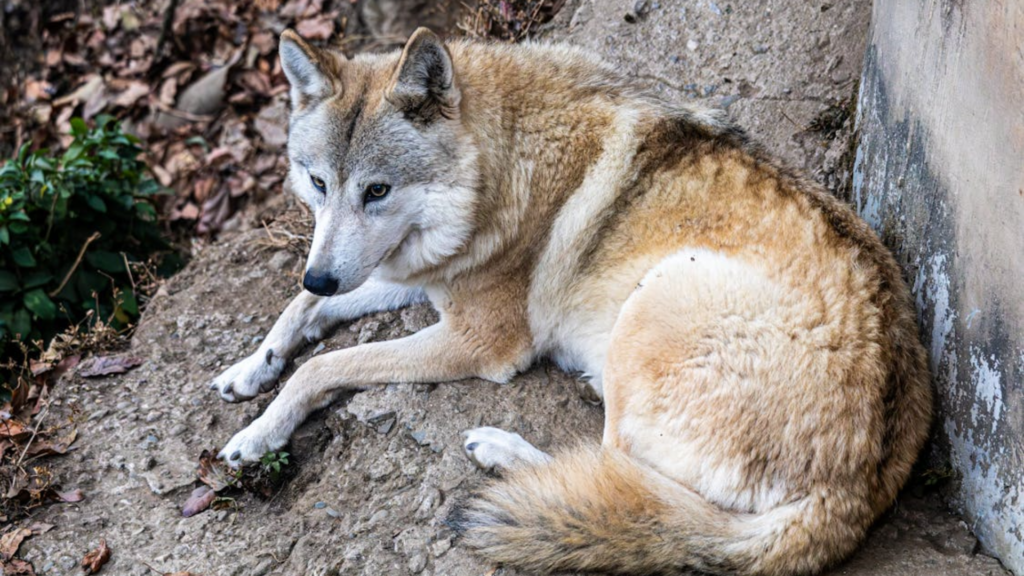
The debate over dire wolves reflects broader questions about the future of biotechnology and conservation. While the idea of reversing extinction is compelling, experts caution that these recreated animals cannot fully replace the original species or the ecosystems they once inhabited.
There are also ethical concerns about how these animals will live, especially since they may not be able to survive in the wild or interact naturally with other species. Some scientists argue that resources might be better spent protecting endangered animals that still exist today.
Ultimately, the claim that dire wolves are “back” remains highly controversial. While the science behind de-extinction is advancing rapidly, the consensus among many researchers is that these animals represent a technological milestone rather than a true return of a long-lost species, leaving the debate far from settled.
PetsFanatic Team
Pet Care Expert & Content Creator
Passionate about sharing knowledge and tips for better pet care. Writing about everything from pet health to training techniques.