
Scientists Celebrate as Endangered Sea Stars Reappear Along California Coast

Scientists are celebrating a rare conservation breakthrough after endangered sunflower sea stars were found along California’s coast in numbers not seen there for years. The discovery happened near Sea Ranch in Sonoma County, where researchers documented 18 sunflower sea stars during kelp forest monitoring, marking the largest observed group in the area since the species collapsed more than a decade ago.
Sunflower sea stars were once common along the Pacific Coast, but their population crashed after a devastating sea star wasting disease began spreading in 2013. The decline was so severe that the species lost an estimated 90% of its population, leaving many California kelp forests without one of their most important predators.
The reappearance has given researchers hope, but scientists are also cautious. Experts say the discovery does not mean the species has fully recovered, but it does provide a rare opportunity to study survivors and understand how some sea stars may have endured disease, warming waters, and major ecosystem changes.
Why This Discovery Matters

Sunflower sea stars are considered a keystone species because they help keep purple sea urchin populations in check. When the sea stars disappeared, urchins multiplied in many areas and heavily grazed kelp forests, contributing to dramatic kelp loss along parts of the California coast.
The newly documented group is especially important because sunflower sea stars have been largely absent from Northern California for nearly a decade. Researchers from Sonoma State University and partner organizations say the discovery could help scientists better understand whether small remnant populations are surviving in hidden pockets along the coast.
Scientists are also studying the genetics and disease resistance of surviving sea stars. If researchers can determine why some individuals persisted while others vanished, that information could guide future breeding and restoration efforts designed to bring the species back more safely and effectively.
Conservation Efforts Are Already Underway
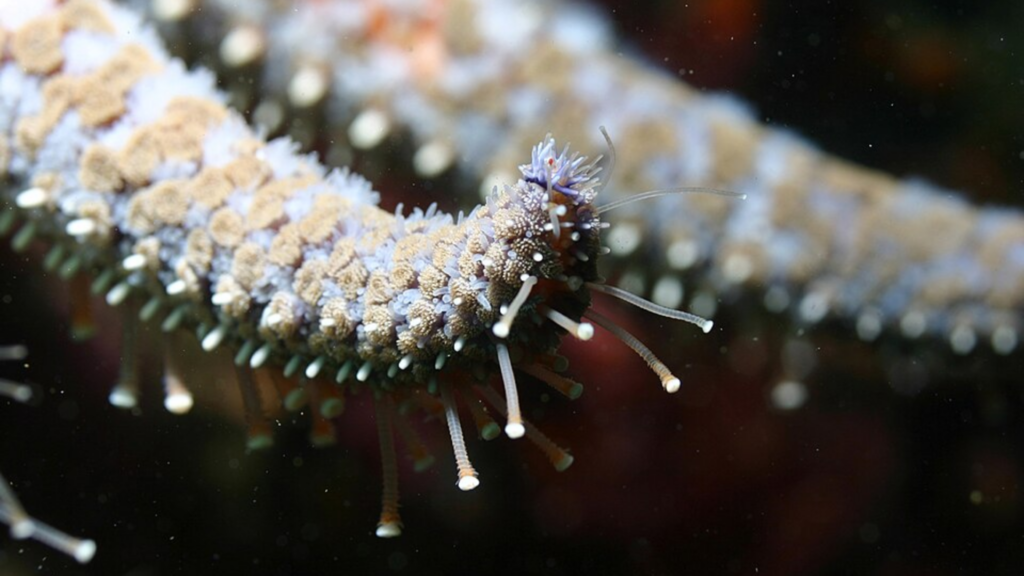
Across California, scientists and conservation groups are working to restore sunflower sea stars through breeding, research, and reintroduction programs. NOAA has supported efforts to breed sunflower sea stars as part of a larger plan to restore keystone species and help revive damaged kelp forest ecosystems.
In Monterey Bay, captive-bred sunflower sea stars have already been released as part of a major conservation milestone. Researchers are monitoring survival, disease resistance, and how the young sea stars adapt to ocean conditions after being raised in controlled environments.
The California Academy of Sciences is also working behind the scenes to breed and study sunflower sea stars, describing the species as California’s most endangered sea star. These programs aim to support long-term recovery while scientists continue learning how to protect the animals from future disease outbreaks.
A Hopeful Sign For California’s Kelp Forests

The return of sunflower sea stars along the California coast is a hopeful sign for marine scientists, but experts say recovery will take time. The species still faces threats from warming ocean temperatures, disease, and fragile kelp ecosystems that have not fully rebounded from years of damage.
Researchers say the discovery should inspire more monitoring and conservation work rather than complacency. Finding 18 sea stars in one area is encouraging, but rebuilding a stable population across the Pacific Coast will require years of careful science, habitat protection, and continued collaboration.
Ultimately, the reappearance of these endangered sea stars shows that recovery may still be possible for a species once feared to be disappearing from California waters. If scientists can learn from the survivors and expand restoration efforts, sunflower sea stars could once again play a vital role in protecting the state’s kelp forests.
PetsFanatic Team
Pet Care Expert & Content Creator
Passionate about sharing knowledge and tips for better pet care. Writing about everything from pet health to training techniques.