
Right Whale Population Estimate Shows “Positive news”
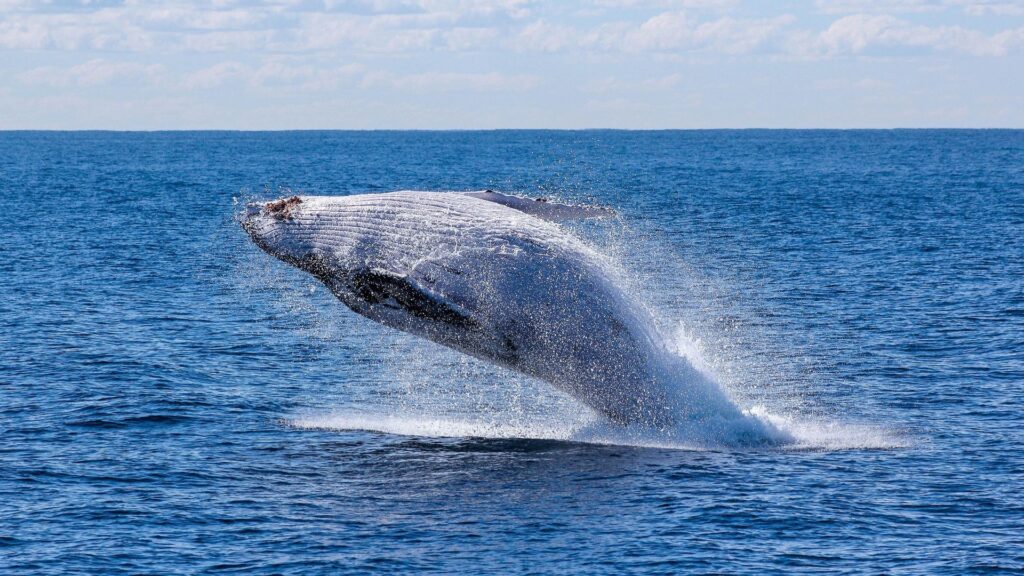
The latest assessment of North Atlantic right whales offers a cautiously hopeful update, while underscoring that decisive conservation actions remain essential to prevent extinction. Below you will find a concise, structured overview that explains the numbers, what specialists are saying, and which threats still demand urgent attention.
Latest estimate

Researchers report the 2024 abundance at 384 individuals, a modest 2.1% rise from the previous year, a result that suggests the species may be stabilizing after recent declines.
Slow growth pattern

Data from the past four years point to slow, incremental recovery rather than a rapid rebound, indicating progress that is fragile and easily reversed without continued support.
Voices from the field

Heather Pettis, chair of the consortium and lead of the right whale program at the New England Aquarium, framed the news as encouraging, while urging persistence in monitoring and protection efforts.
Mortality and injuries

This year has seen no confirmed mortalities and fewer recorded injuries than in prior seasons, observations that give researchers reason to be cautiously optimistic about near-term survival prospects.
Conservation appeals

Advocacy groups like Oceana emphasize that the slight uptick does not remove immediate danger, calling for stronger, enforceable measures to reduce human-caused harm at sea.
Main threats described

Entanglement in fishing gear and collisions with vessels remain the primary sources of injury and death, problems that require changes to fishing practices and maritime regulations.
Policy concerns

Oceana and other organizations warn that attempts to weaken science-based safeguards, including attacks on the Marine Mammal Protection Act, could undermine recovery and push the species closer to extinction.
Historical context

Right whale numbers fell below 300 in the early 1990s, rose toward 500 by around 2010, and then declined again, a history that highlights the population’s vulnerability to fluctuating pressures.
Reproduction update

Eleven calves were documented in 2025, including four first-time mothers, a hopeful sign though still fewer births than researchers had hoped to observe for a robust recovery.
Path forward

Scientists and conservationists stress that collaboration across agencies, fisheries, and maritime industries is essential, and that immediate, sustained interventions are the best chance to secure a future for these whales.
PetsFanatic Team
Pet Care Expert & Content Creator
Passionate about sharing knowledge and tips for better pet care. Writing about everything from pet health to training techniques.