
Researchers Warn of Concerning Global Behavioral Shift in Animals

Scientists have identified a troubling trend affecting wildlife across multiple continents: animals are losing sleep as temperatures climb. Two recent studies examining European mammals reveal that extreme heat disrupts rest patterns in wild populations, with researchers documenting shorter, more fragmented sleep cycles during hot weather. Isabella Capellini, co-author of one study, cautioned that rising global temperatures and increasing extreme weather events will likely harm both sleep quality and overall health in wildlife species.
Wild Boars in Czech Republic Lost Nearly One-Fifth of Their Sleep
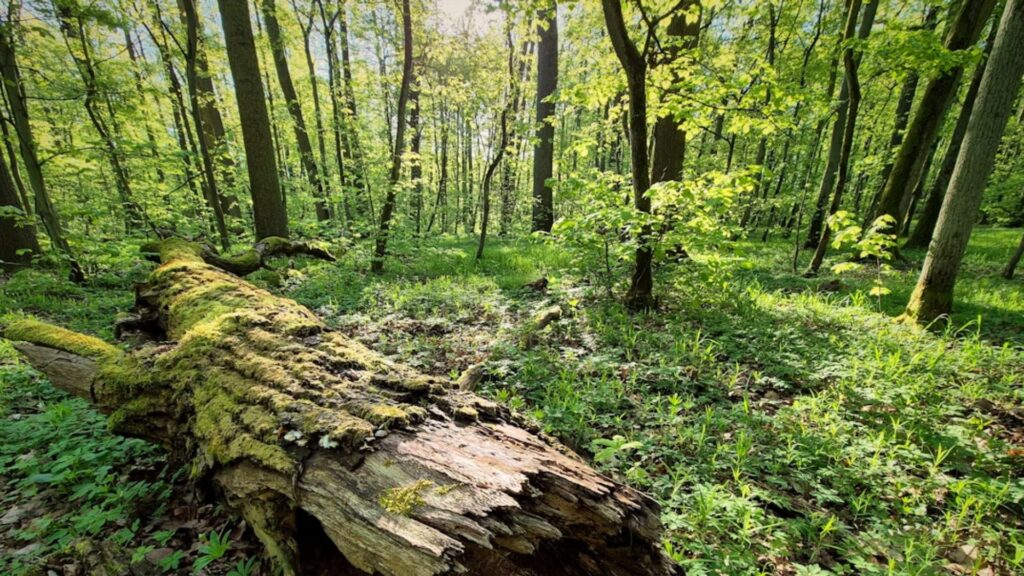
The first study, published in Proceedings of the Royal Society: Biological Sciences, tracked wild boars in the Czech Republic and found dramatic differences between seasons. During hot summer days, the animals slept 17% less compared to colder, rainy winter days. Researchers observed that warmer weather produced sleep that was shorter, more broken up, and lower in quality. The finding marks one of the first comprehensive examinations of how temperature affects rest in wild mammal populations.
Deer Fawns in Ireland Showed Similar Struggles

A second study, published in Animal Behaviour, examined young deer in Ireland and documented comparable results. When fawns faced elevated temperatures or high humidity levels, their sleep quality declined measurably. The research adds to a growing body of evidence suggesting heat-related sleep disruption spans multiple mammal species. Previous investigations into fruit bats produced similar conclusions, indicating the problem extends beyond ground-dwelling animals to flying mammals as well, pointing toward a broader ecological concern.
Sleep Deprivation Threatens Animal Health on Multiple Levels

Capellini emphasized the gravity of the findings in a press release, explaining that sleep plays a major role in maintaining overall health. Animals that consistently sleep less or experience lower-quality rest gain fewer benefits from sleep, she noted. The researcher warned that sustained sleep deprivation will likely produce long-term harmful effects on wildlife. Given sleep’s fundamental importance to biological function, the implications extend beyond simple tiredness to potentially serious health consequences for animal populations worldwide.
The Stress Compounds Other Climate Change Impacts

Briana Abrahms, another expert, told Vox that the research reveals a previously unrecognized dimension of climate-related stress on animals. Climate change already creates various pressures on wildlife, she explained, and disrupted sleep adds another burden to that list. Since both animals and humans require adequate sleep to recover from other stressors, warmer temperatures affecting rest patterns may amplify the negative effects climate change already imposes on wildlife populations, creating a compounding cycle of harm.
Weakened Immune Systems Could Leave Animals Vulnerable

Without sufficient sleep, animals face compromised immune function, according to Vox’s analysis of the research implications. This leaves wildlife populations more susceptible to disease. The connection between sleep quality and immune health means temperature-driven sleep loss could trigger cascading health problems throughout animal communities. As extreme heat events become more frequent and intense, the cumulative effect on disease resistance could reshape wildlife populations in ways scientists are only beginning to understand.
Migration Patterns and Habitat Choices May Shift Dramatically
Animals might respond to sleep disruption by relocating to cooler environments or altering their migration routes, Vox reported. While this seems like a logical adaptation, such movements carry serious ecological risks. When species move into new territories, they disrupt the carefully balanced ecosystems and food chains already established in those habitats. The arrival of new species can destabilize existing predator-prey relationships, compete with native animals for resources, and fundamentally alter the ecological dynamics of regions.
Extreme Heat Events Are Intensifying Globally

The problem extends beyond isolated incidents. Extreme heat is increasing worldwide, meaning these sleep-related impacts could transition from theoretical concerns to widespread reality within years. As record-breaking temperatures become more common across continents, the animal populations documented in these studies may represent early indicators of a global phenomenon. The accelerating pace of temperature rise suggests wildlife will face these challenges with increasing frequency and intensity, leaving less time for adaptation.
Scientists Call for Expanded Research on Wildlife Sleep

Euan Mortlock, who led both studies, stressed the need for continued investigation. “There is an enormous gap in our understanding of sleep in the wild,” Mortlock told Vox. However, he expressed optimism about emerging research methods that allow scientists to observe previously hidden aspects of animal behavior. “With new methods, we can start to peek behind the curtain,” he said. These technological advances may help researchers understand how widespread sleep disruption has become across species and ecosystems.
Individual Actions Can Help Slow Planetary Heating

While the research paints a concerning picture, every climate-friendly action contributes to slowing the planet’s rapid temperature increase. Simple choices like composting kitchen scraps, walking or biking instead of driving, and other environmentally conscious decisions collectively make a difference. Though individual actions may not create massive change alone, each climate-positive choice helps reduce the warming that disrupts animal sleep cycles.
PetsFanatic Team
Pet Care Expert & Content Creator
Passionate about sharing knowledge and tips for better pet care. Writing about everything from pet health to training techniques.