
Researchers Suspect Deadly Virus in Rabbit Decline But How Far It’s Spread Still Unknown
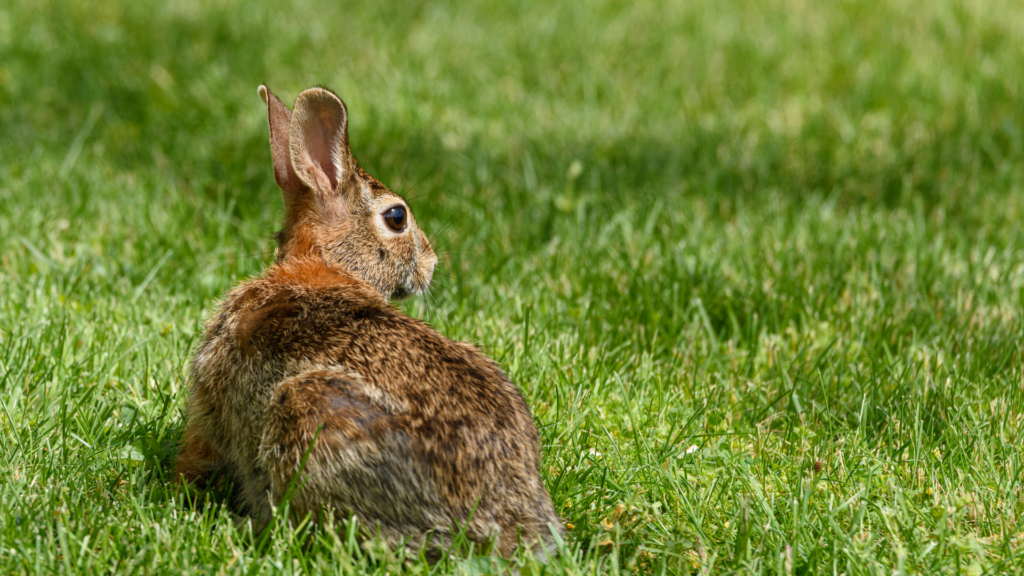
Scientists are sounding the alarm as rabbit populations in several regions appear to be mysteriously declining, with growing evidence pointing to a highly contagious and deadly virus as a possible cause. While researchers have not yet confirmed the full extent of the outbreak, early findings suggest that a fast-spreading disease could be devastating both wild and domestic rabbit populations. The uncertainty surrounding how far the virus has spread, and how quickly it is moving, has left experts concerned that the situation could worsen before it is fully understood.
The Virus Scientists Are Watching Closely
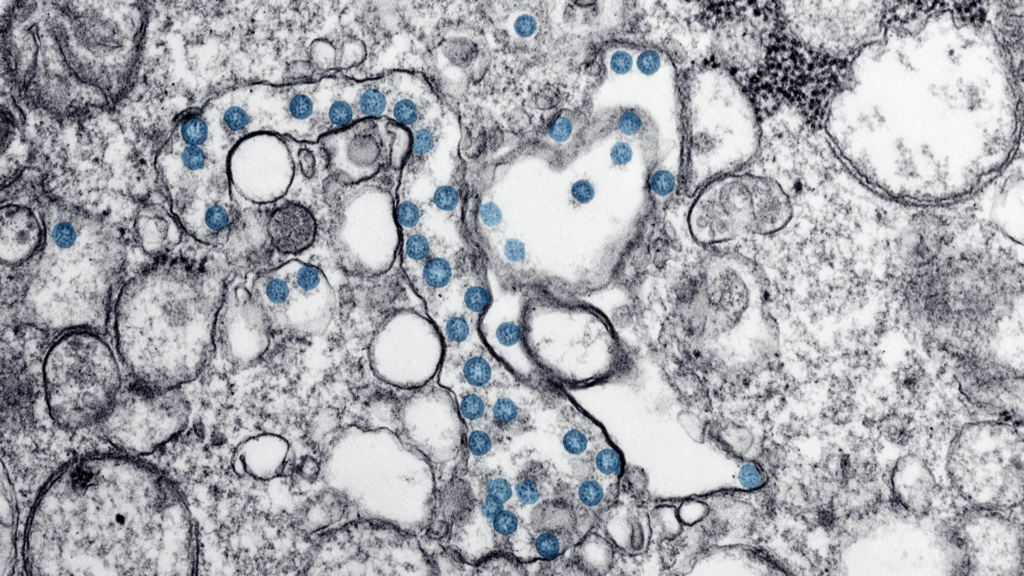
The primary suspect behind the sudden decline is rabbit hemorrhagic disease virus type 2 (RHDV2), a highly contagious pathogen that has already been detected in multiple parts of the world. First identified in France in 2010, the virus has since spread internationally and is now present in parts of North America. Its rapid expansion and ability to infect both wild and domestic rabbits have made it a major concern for wildlife health experts.
Why This Virus Is So Dangerous
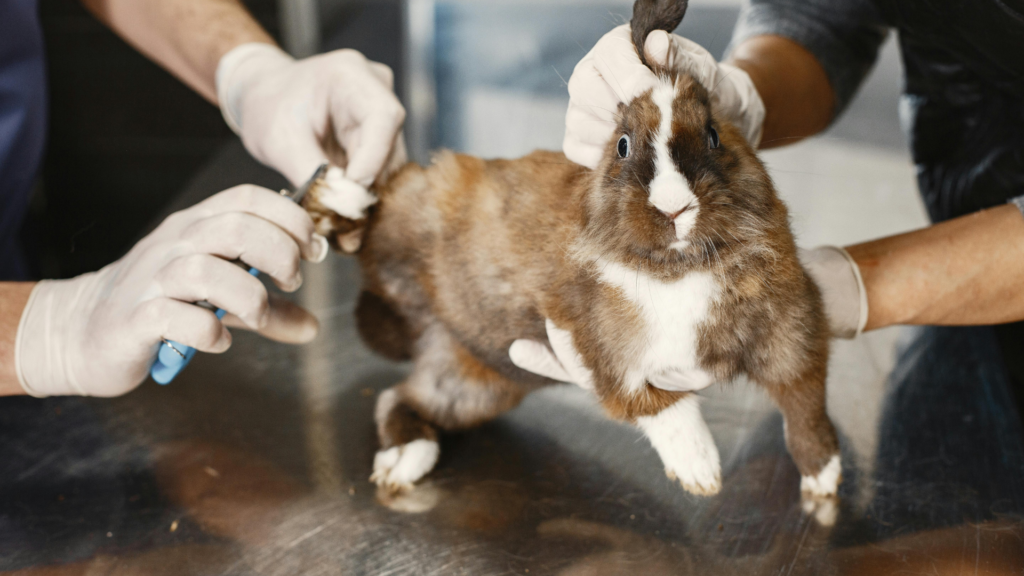
RHDV2 is particularly alarming because of its extremely high mortality rate, with outbreaks sometimes killing between 70% and 100% of infected rabbit populations. The disease progresses quickly, often causing internal bleeding and organ failure, and in many cases rabbits die suddenly with little warning. This combination of speed and lethality makes it one of the most destructive diseases affecting rabbits today.
How It Spreads So Quickly
One of the biggest challenges in controlling the virus is how easily it spreads between animals. Transmission can occur through direct contact with infected rabbits, but also through contaminated food, water, bedding, and even human clothing or equipment. Insects such as flies can also carry the virus, allowing it to move rapidly across regions and making containment extremely difficult.
Signs of Decline Are Raising Concern

In affected areas, researchers and residents have reported noticeable drops in rabbit sightings, along with sudden die-offs that suggest a widespread issue rather than isolated incidents. Because rabbits play a key role in many ecosystems, as both prey and grazers, their disappearance can have ripple effects throughout the food chain, impacting predators and vegetation alike.
Why Scientists Don’t Yet Know the Full Scope

Despite mounting evidence, scientists still do not have a complete picture of how far the virus has spread or how many populations have been affected. Monitoring wild rabbits is particularly challenging because outbreaks can occur in remote areas and may go unnoticed until populations have already declined significantly. Ongoing surveillance efforts are attempting to map the spread, but gaps in data remain a major obstacle.
A Growing Threat to Domestic Rabbits Too

The virus is not limited to wild populations, it also poses a serious risk to domestic rabbits, including pets and farmed animals. Recent confirmed cases in domestic settings highlight how easily the disease can cross between environments, raising concerns for rabbit owners and breeders. Infected facilities often require quarantine measures to prevent further spread.
How Past Rabbit Viruses Have Changed Ecosystems
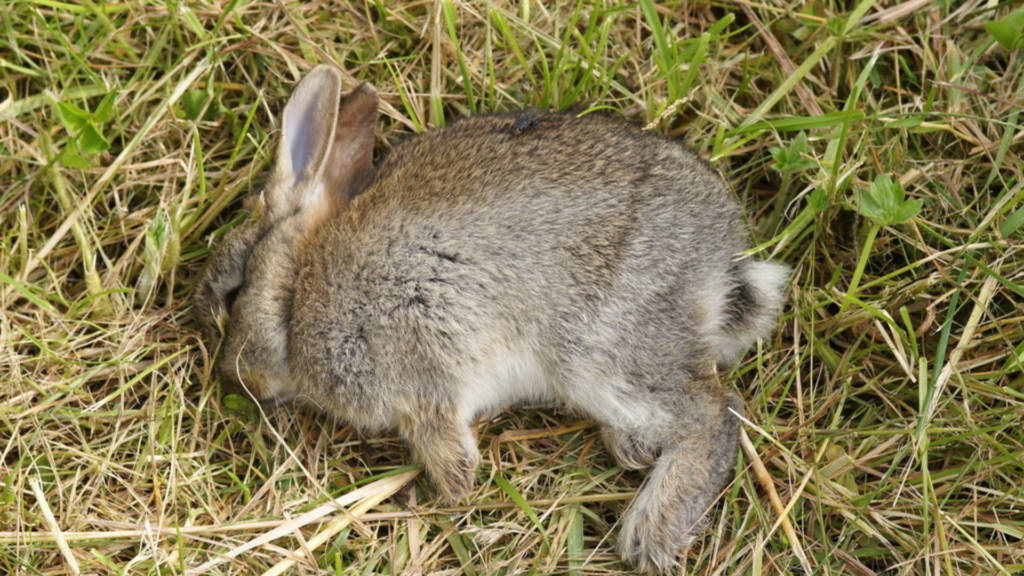
This is not the first time a virus has dramatically impacted rabbit populations. Diseases like myxomatosis have historically caused massive die-offs, sometimes wiping out the majority of rabbits in affected regions. These events have shown how quickly ecosystems can shift when a key species declines, offering a warning of what could happen again if the current outbreak spreads further.
What Experts Are Doing to Respond

In response to the growing threat, wildlife agencies and researchers are working to contain the virus through monitoring, public awareness, and strict biosecurity measures. Efforts include tracking outbreaks, advising rabbit owners on sanitation practices, and limiting the movement of potentially infected animals. However, controlling a disease that spreads so easily remains a significant challenge.
Why the Situation Still Remains Uncertain
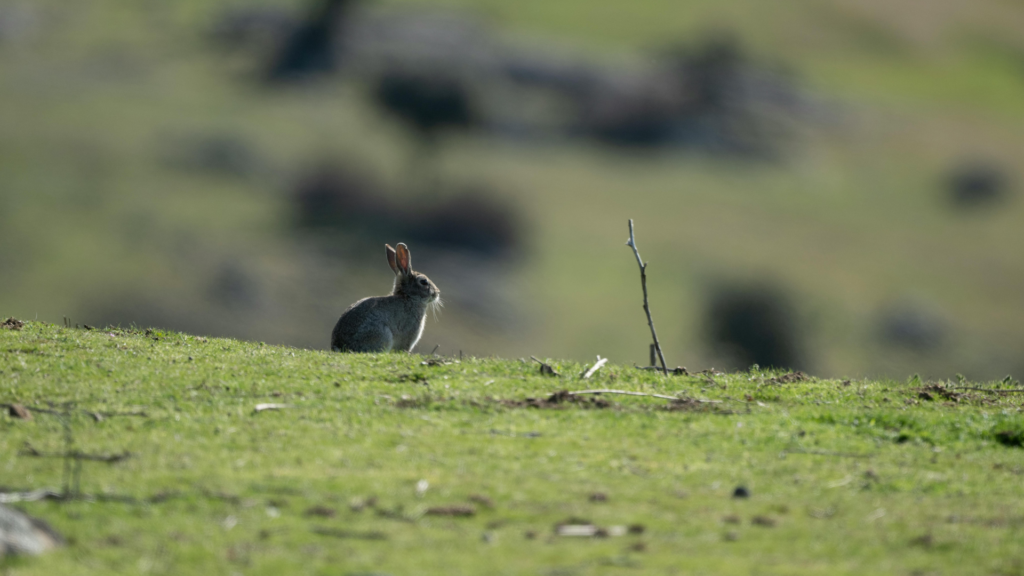
While the evidence pointing to a deadly virus is increasingly strong, scientists caution that many questions remain unanswered, particularly regarding how widespread the outbreak has become and whether it can be effectively controlled. Until more data is gathered, the true impact on rabbit populations, and the ecosystems that depend on them, remains uncertain. What is clear, however, is that the situation demands close attention as researchers race to understand and respond to a potentially devastating wildlife crisis.
PetsFanatic Team
Pet Care Expert & Content Creator
Passionate about sharing knowledge and tips for better pet care. Writing about everything from pet health to training techniques.