
Researchers Capture Footage of One of the Ocean’s Rarest Predators Near Oregon, “Only 73 Remain”

Killer whales rank among the ocean’s top predators, known for complex social groups and sharp hunting skills, and their survival depends heavily on steady food sources. Off the Oregon coast, researchers recorded a rare encounter, and that sighting carries weight since only 73 southern resident orcas remain.
Southern Resident Orca Sighting Near Oregon Coast

Researchers documented a rare encounter off Depoe Bay as a pod of southern resident killer whales moved along the Oregon coastline, and sightings in this area don’t happen often. As observers tracked them for hours, their presence pointed to changing feeding routes tied to where prey now gathers.
Chinook Salmon Shortage Drives New Movement Patterns

Chinook salmon numbers have dropped across northern feeding grounds, so southern resident orcas have begun traveling farther to find food. That search has brought them into less common areas, and researchers now connect those movements to changing salmon distribution along the Pacific coast.
Klamath River Dam Removal Opens Salmon Habitat

Along the Klamath River, crews removed four long-standing dams, and nearly 400 miles of spawning routes opened for salmon. Water now moves through stretches that had stayed blocked for decades, allowing fish to reach upstream habitats that had remained out of reach for generations.
Largest Dam Removal Project in U.S. History

Across northern California, crews carried out the largest dam removal project in U.S. history, and the scale of that effort reshaped how the river system functions. Four major dams came down, opening long-blocked channels and setting conditions for fish populations to rebuild across the region.
NOAA Endangered Status and Population Decline

NOAA Fisheries lists southern resident killer whales as endangered, with only 73 individuals remaining. Declining Chinook salmon numbers affect their survival, keeping researchers focused on how food supply connects to where these whales move.
Rare Coastal Sightings and Offshore Feeding Behavior

Southern resident orcas spend most of their time feeding far offshore, keeping them out of sight for coastal observers. Sightings along the Oregon coast remain rare, giving researchers limited chances to study how they move through nearshore waters.
Orca Memory and Return to Feeding Grounds

Orcas rely on strong spatial memory, returning to feeding areas where they previously found food. When prey becomes scarce in familiar regions, they travel across wider ranges, revisiting older routes, and that behavior helps explain why pods appear in locations that rarely see them.
Tracking Technology and Conservation Monitoring

Researchers tracked the pod for about four hours using boats, trail cameras, and coordinated observation tools. Those methods allow teams to follow rare species in real time, building clearer records of movement patterns while also improving how conservation efforts get measured and refined.
Restoration Efforts Begin to Reflect in Wildlife Movement
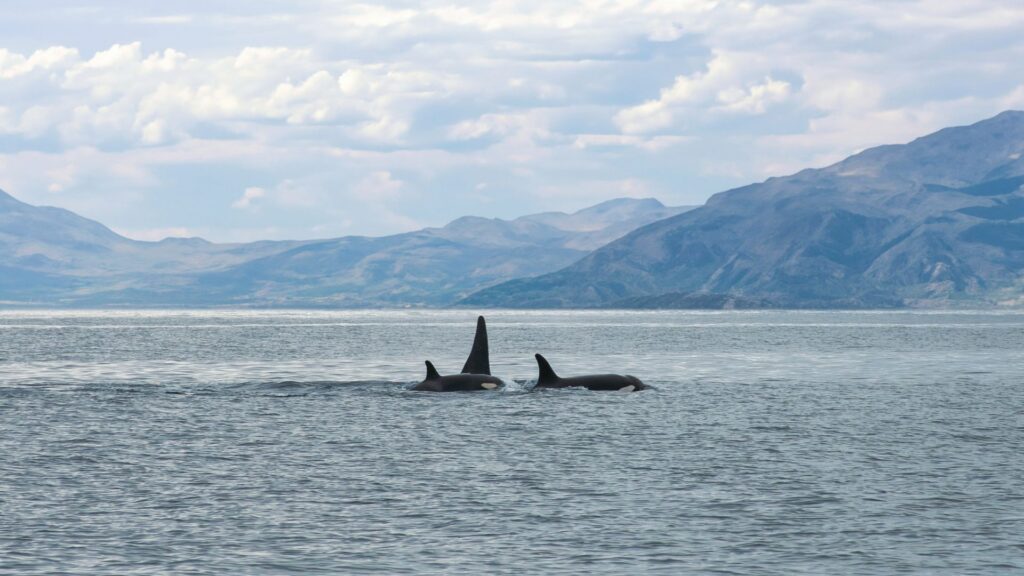
Efforts to repair river systems continue to open new feeding paths. Marine species now move into once quiet areas. Recent sightings reflect that pattern and show how ecosystem recovery influences where animals travel and feed.
PetsFanatic Team
Pet Care Expert & Content Creator
Passionate about sharing knowledge and tips for better pet care. Writing about everything from pet health to training techniques.