
Researcher Notices a Tiny White Speck in the Dirt, Then Realizes What It Means for a Rare Species
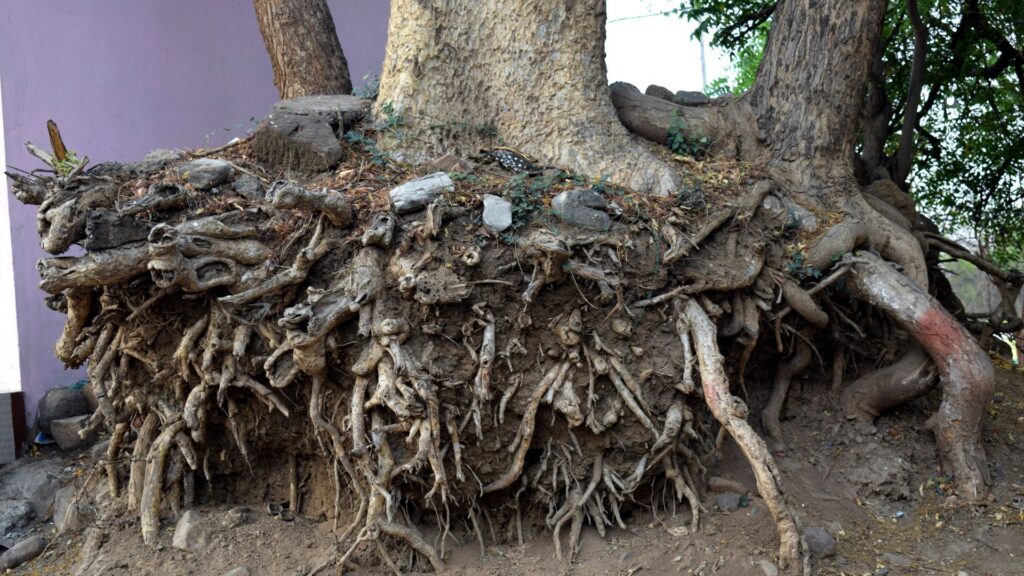
A quiet moment in a lab turned into a meaningful scientific breakthrough, offering new hope for a little-known species struggling to survive. What began as a routine observation quickly revealed a discovery that could reshape how researchers approach conservation for fragile ecosystems.
Unexpected Discovery Beneath The Soil

While examining soil samples near plant roots, a graduate researcher noticed a small white speck that stood out against the dirt, an observation that would soon prove significant. What initially appeared to be a minor detail revealed itself as a newborn specimen of a rare millipede species, marking a moment of realization that came after extended periods of uncertainty and repeated experimental setbacks.
A Rare Species Comes Into Focus
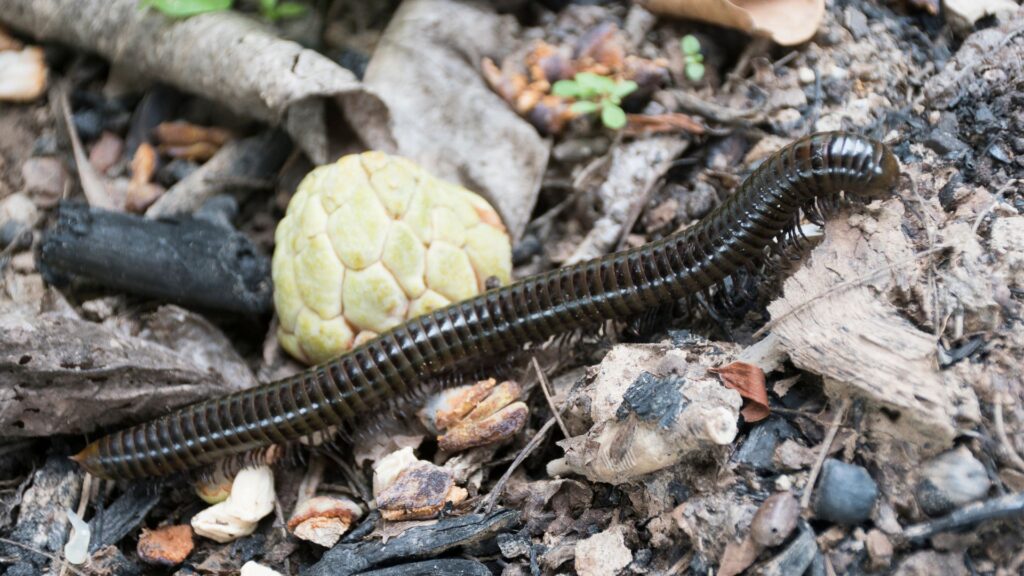
The insect at the center of this discovery is the Florida scrub millipede, a species rarely seen and even less frequently studied due to its limited habitat and declining population. Its elusive nature has made it difficult for scientists to observe its life cycle, leaving important gaps in knowledge that this finding begins to address.
A Breakthrough After Trial And Error
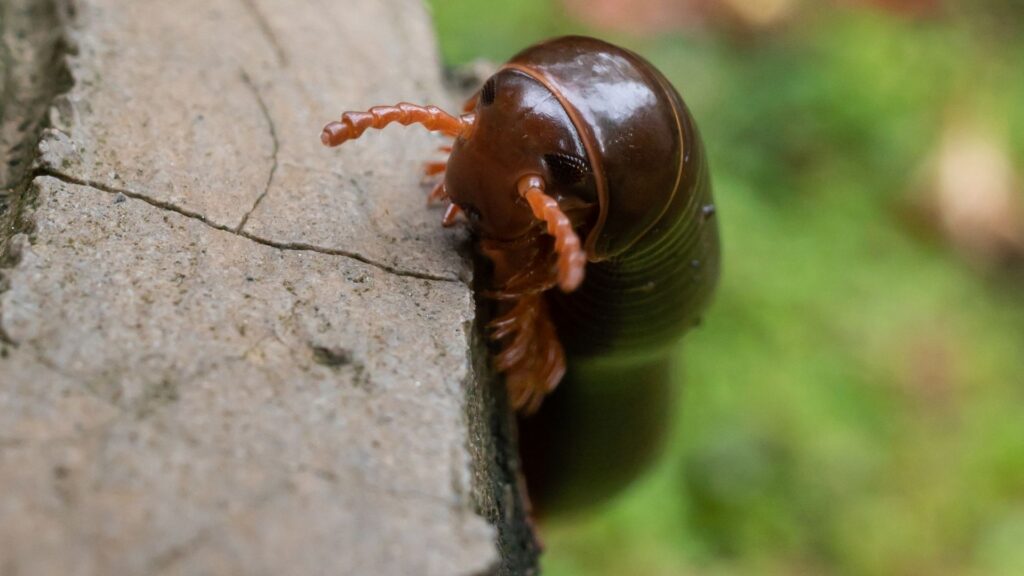
The appearance of the baby millipede was not just surprising but deeply rewarding, as it followed numerous unsuccessful attempts to encourage reproduction under controlled conditions. The moment confirmed that the lab environment could support the species’ life cycle, opening new pathways for research and conservation.
A Growing Population In The Lab

Following the initial discovery, the research team observed continued success, with dozens of newborn millipedes now thriving in the laboratory setting. This small but meaningful population offers scientists a rare opportunity to study development, behavior, and environmental needs in ways that were previously not possible.
Challenges In Studying Elusive Creatures

Research on this species has historically been limited, in part because of the difficulty in locating viable populations in the wild. Habitat loss and environmental changes have reduced their numbers significantly, making fieldwork increasingly complex and often requiring access to remote or hard-to-reach areas
The Impact Of Habitat Loss

Urban expansion and land development have played a major role in the decline of the Florida scrub millipede, disrupting the delicate environments it depends on. As natural landscapes shrink, species with highly specific ecological requirements face heightened risk, underscoring the urgency of conservation efforts.
An Essential Role In The Ecosystem
Despite their modest appearance, these millipedes contribute significantly to ecosystem health by breaking down organic matter and recycling nutrients into the soil. In regions where few organisms can perform this function effectively, their presence becomes critical to maintaining plant life and overall ecological balance.
Why Small Species Matter More Than We Think

Creatures that often go unnoticed can hold essential roles within their environments, supporting systems that larger or more visible animals rely on. Recognizing their value shifts the perspective of conservation from focusing only on charismatic species to preserving entire ecological networks.
How Local Action Can Support Conservation

Protecting habitats at the community level plays a vital role in sustaining biodiversity, particularly for species with limited ranges. Efforts such as preserving natural land, reducing environmental disturbance, and supporting conservation initiatives can help maintain the balance these ecosystems depend on.
A Meaningful Contribution To Science
This research represents more than a single discovery, it highlights how dedication and curiosity can lead to impactful scientific progress. By bringing attention to an overlooked species and expanding knowledge about its survival, the work contributes valuable insights that may guide future conservation strategies.
PetsFanatic Team
Pet Care Expert & Content Creator
Passionate about sharing knowledge and tips for better pet care. Writing about everything from pet health to training techniques.