
Rescuer ‘Almost Cried’ After Looking Inside Dumpster and Seeing What Was Thrown Away
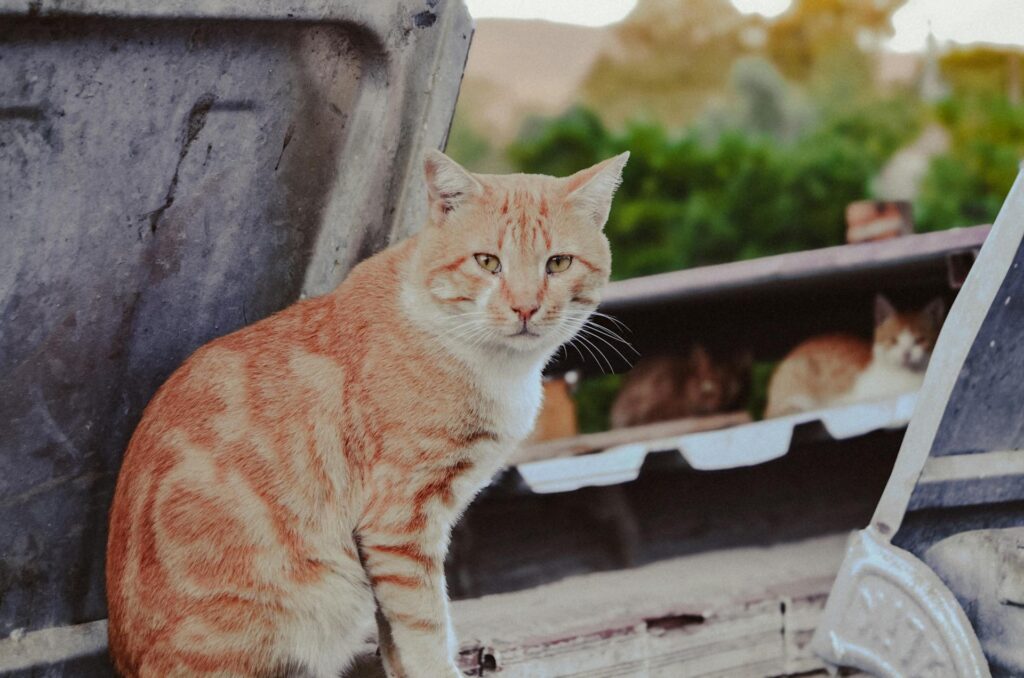
A single moment behind a dumpster sparked outrage, reflection, and a broader conversation about waste, responsibility, and the hidden costs of pet food. What began as a routine check turned into a discovery that many people found both heartbreaking and deeply unsettling.
Unexpected Discovery in a Dumpster
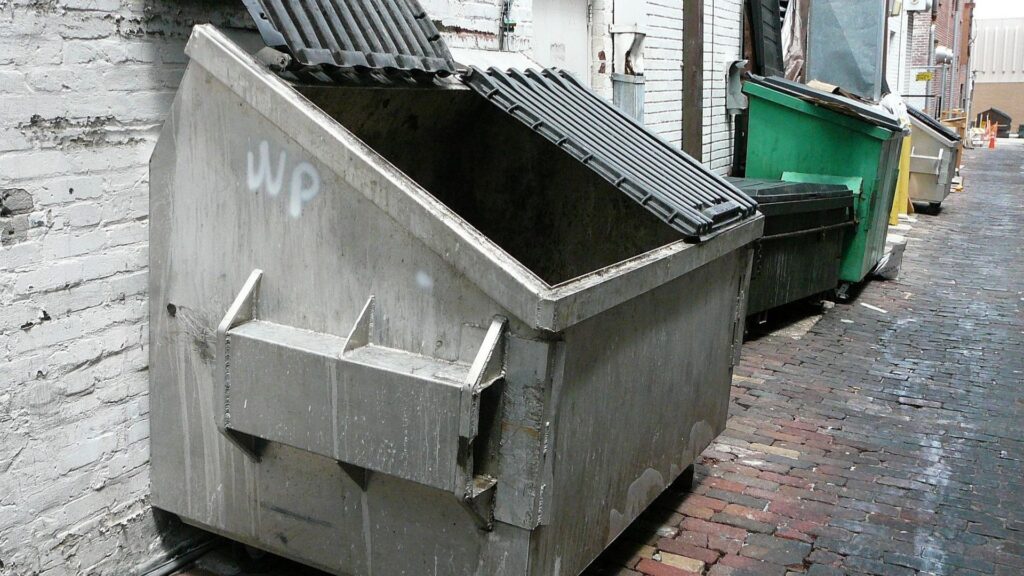
An animal rescuer shared a startling find after opening a dumpster and discovering dozens of bags filled with unopened, perfectly edible dog and cat food, a sight that left them emotionally shaken and questioning how such a loss could happen.
A Reddit Post That Struck a Nerve

The rescuer posted photos and a short message on Reddit, explaining that more than 200 pounds of dog food, along with cat food for a rescue animal, had been thrown away, quickly drawing attention and strong reactions from readers.
Inside the Dumpster Diving Community

Members of the r/DumpsterDiving community are familiar with finding usable items discarded without explanation, yet even seasoned followers described this discovery as especially troubling due to the sheer quantity and quality of the food.
Perfectly Good Food, No Clear Reason

What puzzled people most was that the bags were sealed and safe to consume, raising uncomfortable questions about retail practices, overstock disposal, and how easily usable resources are treated as trash.
Why Pet Food Matters So Much
Dogs and cats rely heavily on meat-based diets, making the pet food industry closely tied to large-scale meat production, a sector that reached tens of billions of dollars in U.S. sales and carries significant ethical and environmental weight.
Water Use and a Thirsty System

Meat production requires enormous amounts of water, and as droughts intensify, resources like the Colorado River are increasingly strained, with most of its water diverted to agriculture that supports livestock, including animals used for pet food.
Land, Habitat, and Hidden Costs

Large portions of land across the continental United States are dedicated to feeding livestock, a practice linked to deforestation, habitat destruction, and the growing risk faced by many wildlife species worldwide.
Emissions and Climate Impact

Beyond land and water, livestock farming contributes a significant share of human-related greenhouse gas emissions, placing the pet food supply chain within a larger climate conversation that often goes unnoticed.
The Financial Side for Pet Owners

For many households, feeding a cat or dog represents a steady expense, often adding up to hundreds of dollars each year, which makes the casual disposal of usable food feel even more difficult to justify.
Public Outrage and Calls for Action
Commenters expressed relief that the food was rescued and anger that it was discarded at all, with some calling for donations to food pantries and others arguing that throwing away such resources should carry serious consequences.
PetsFanatic Team
Pet Care Expert & Content Creator
Passionate about sharing knowledge and tips for better pet care. Writing about everything from pet health to training techniques.