
Repeated Cloning Doesn’t Go on Forever, There’s a Number Sientists Keep Running Into

Cloning has long been seen as a powerful scientific tool, with the potential to replicate desirable traits and even transform agriculture. However, a decades-long experiment with mice suggests that this process may have natural limits. As researchers pushed cloning across generations, unexpected patterns began to emerge, raising important questions about how life maintains genetic stability over time.
The Early Success Of Serial Cloning

At the beginning of the study, scientists demonstrated that cloning could be repeated multiple times without obvious harm. By cloning a mouse, then cloning its clone repeatedly, researchers managed to reach 25 generations with no major health concerns, suggesting that the process was more stable than initially expected.
Pushing Beyond The Expected Limits

Encouraged by early results, the research team extended the experiment further. As they moved beyond the initial threshold, they continued cloning for more than 20 additional generations, aiming to observe whether the process could sustain itself indefinitely under controlled conditions.
A Turning Point After Decades

After nearly 20 years of continuous work, the experiment reached a critical moment. By the 58th generation, the cloned mice were no longer surviving after birth, signaling that something fundamental had shifted in the viability of the clones over time.
The Hidden Accumulation Of Genetic Mutations

Detailed genetic analysis revealed that mutations had been gradually building up in the DNA of the cloned mice. These were not minor changes, but large structural variations affecting chromosomes, which can significantly disrupt normal biological functions.
Why Early Generations Seemed Stable

Interestingly, the negative effects of these mutations were not immediately visible. In earlier generations, a form of selection appeared to favor individuals that produced healthier clones, temporarily masking the long-term genetic instability that was quietly accumulating beneath the surface.
Declining Fertility And Developmental Changes

As cloning continued across generations, fertility rates began to drop. Researchers also observed alterations in the structure of the placenta, an essential organ for development, indicating that the impact of accumulated mutations extended beyond DNA into critical biological systems.
The Restorative Role Of Natural Reproduction

When later-generation cloned mice were allowed to reproduce naturally, a remarkable recovery occurred. Their descendants showed improved fertility and normal placental structures, highlighting the essential role of sexual reproduction in maintaining genetic balance and overall health.
A Scientific Mystery Still Unresolved

One of the most puzzling findings was the unusually high number of mutations in cloned mice, roughly three times more than in naturally bred ones. Researchers have yet to fully explain this phenomenon, leaving open questions about the underlying mechanisms driving this instability.
Could The Cloning Process Itself Cause Damage
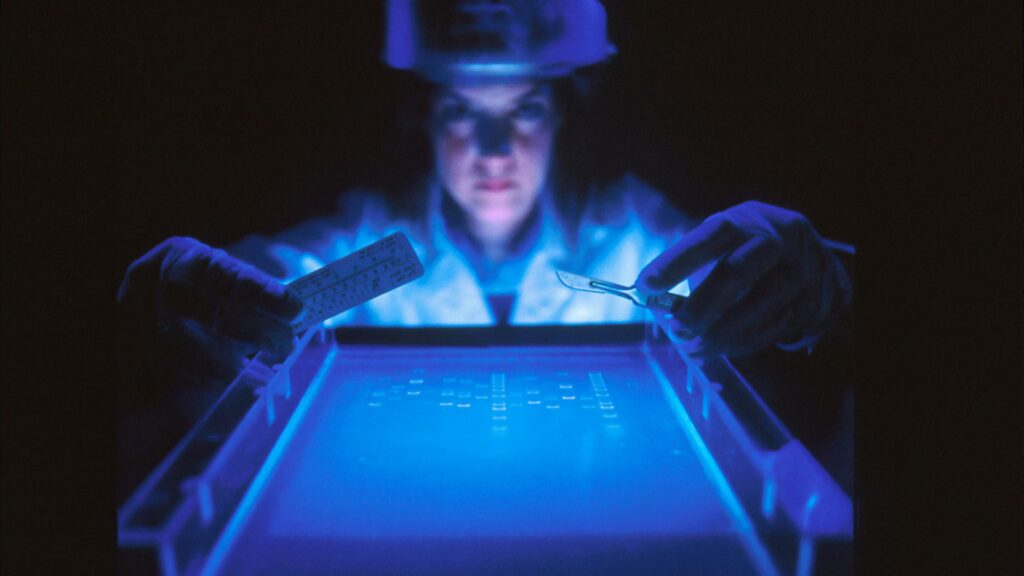
Scientists suspect that part of the issue may stem from the technical process used in cloning. Extracting and transferring a cell nucleus involves delicate manipulation, and even minor physical stress during this step could introduce damage that accumulates over successive generations.
What This Means For The Future Of Cloning

Despite these limitations, cloning remains a promising field, particularly in agriculture. Rather than relying on endless replication, researchers suggest preserving original cells as a stable source for future clones, offering a practical path forward without encountering the genetic limits observed in long-term experiments.
PetsFanatic Team
Pet Care Expert & Content Creator
Passionate about sharing knowledge and tips for better pet care. Writing about everything from pet health to training techniques.