
Record Sargassum Levels Raise New Concerns for Beaches Despite Years of Cleanup

Scientists are warning that the Great Atlantic Sargassum Belt has reached near-record levels, with a continent-spanning mass of floating brown seaweed spreading across the Atlantic Ocean. The enormous bloom threatens beaches, tourism, marine ecosystems, and coastal economies throughout the Caribbean, Gulf of Mexico, and parts of the southeastern United States. Although coastal communities have spent years battling seasonal arrivals, researchers say the growing scale of the bloom remains a significant environmental concern.
The Great Atlantic Sargassum Belt Continues to Break Records

The Great Atlantic Sargassum Belt extends roughly 5,000 miles across the tropical Atlantic, making it the largest recurring macroalgae bloom ever observed. While floating sargassum has naturally existed for centuries, scientists say the massive seasonal belt first appeared in 2011 and has returned nearly every year, with several seasons producing record-breaking amounts of seaweed.
Beaches Face Mounting Cleanup Costs

When sargassum washes ashore, it can accumulate several feet deep, forcing local governments and resorts to spend millions of dollars on cleanup. Even with regular removal efforts, fresh seaweed continues arriving throughout the season, making it difficult for many coastal communities to keep beaches clear. The recurring expense has become a growing financial burden for tourism-dependent regions.
Tourism Continues to Feel the Effects
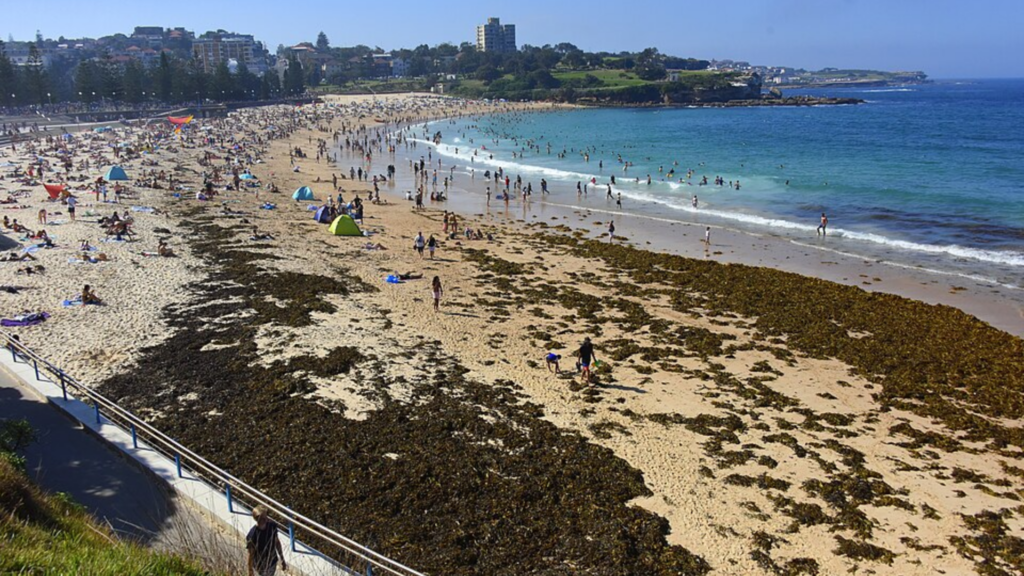
Many Caribbean islands, Mexico, and portions of the Gulf Coast rely heavily on beach tourism. Thick mats of decomposing sargassum produce unpleasant odors from gases such as hydrogen sulfide and ammonia, reducing beach access and discouraging visitors. Some resorts now install offshore barriers and increase daily cleanup operations to limit disruptions during peak travel seasons.
Marine Ecosystems Experience Both Benefits and Harm

Floating sargassum provides valuable habitat for fish, sea turtles, shrimp, crabs, and numerous marine organisms while drifting offshore. However, once large quantities wash onto beaches, they can block sunlight, reduce oxygen levels in shallow waters, smother seagrass beds, and negatively affect coral reef ecosystems. Scientists say the seaweed’s impact depends largely on where it accumulates.
Scientists Are Investigating Why the Bloom Keeps Growing
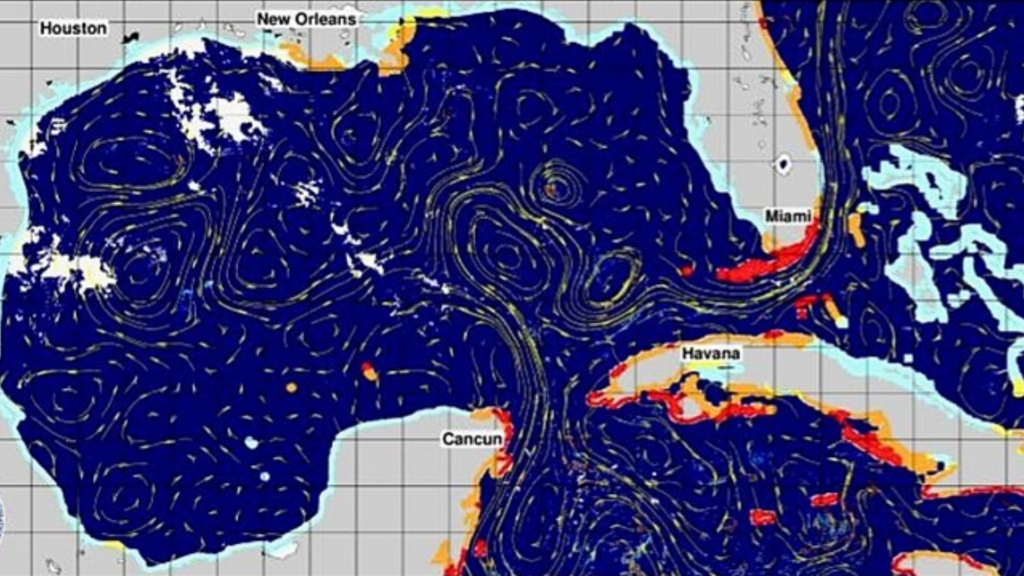
Experts believe multiple environmental factors are fueling the expanding bloom, including warmer ocean temperatures, nutrient-rich runoff from major rivers such as the Amazon, Saharan dust, changing ocean currents, and agricultural fertilizers entering the Atlantic. While no single factor explains the rapid growth, researchers continue studying how these influences combine to produce increasingly large blooms.
Satellite Technology Helps Predict Seaweed Arrivals

Modern satellite imagery allows researchers to track sargassum across the Atlantic and forecast where large accumulations are likely to drift. These forecasts help local governments, tourism officials, and cleanup crews prepare before the seaweed reaches shore. Earlier warnings allow communities to organize equipment and personnel more efficiently during major bloom events.
Researchers Are Searching for Better Long-Term Solutions

Instead of treating sargassum entirely as waste, researchers are exploring ways to convert it into fertilizer, biofuels, construction materials, and other commercial products. Although promising pilot projects are underway, no large-scale solution has yet been developed that can keep pace with the enormous annual volumes washing ashore. Scientists say innovation will be essential if blooms continue growing.
The Bloom Is Likely to Remain a Recurring Challenge

Researchers expect the Great Atlantic Sargassum Belt to remain a recurring seasonal phenomenon because the conditions supporting its growth continue to exist. Continued nutrient enrichment, favorable ocean circulation, and warming waters could allow future blooms to remain large or even increase in size. Ongoing monitoring and international cooperation will be critical as coastal communities adapt to this evolving environmental issue.
Record Seaweed Blooms Highlight an Ongoing Environmental Threat

The record levels of sargassum observed across the Atlantic demonstrate how rapidly environmental conditions can reshape coastlines and marine ecosystems. Although years of cleanup efforts have helped reduce the immediate impacts on many beaches, scientists warn that the underlying causes driving these enormous blooms remain unresolved. Continued research, improved forecasting, and innovative management strategies will be essential to protecting coastal communities, tourism, and marine life in the years ahead.
PetsFanatic Team
Pet Care Expert & Content Creator
Passionate about sharing knowledge and tips for better pet care. Writing about everything from pet health to training techniques.