
‘Invisible Chemical Rain’ Is Falling Across the Planet, And It May Never Go Away
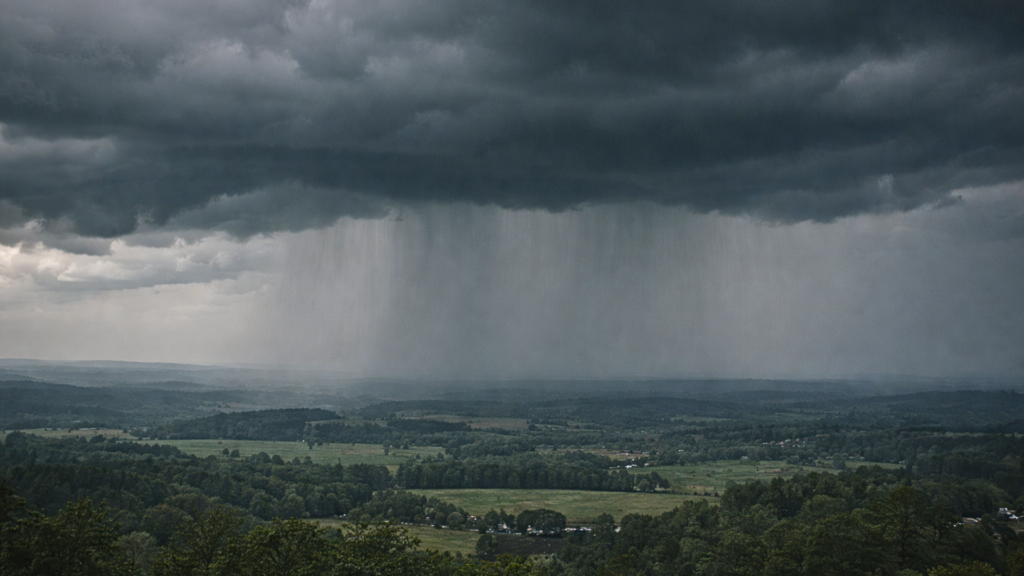
Imagine if the solution to one global crisis created a new, invisible disaster that lasts forever. While we successfully patched the hole in our ozone layer, we unknowingly unleashed a chemical rain that is now saturating our soil and water. This substance, known as trifluoroacetic acid or TFA, is falling from the sky across every continent. We are only just beginning to realize that our environmental victory came with a permanent price tag.
A Legacy of Good Intentions
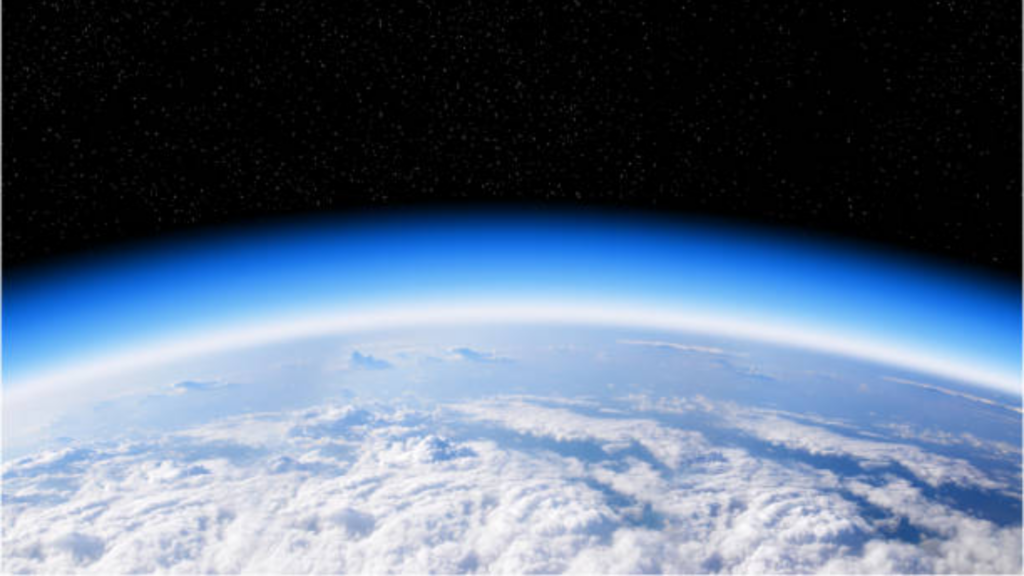
Decades ago, the world united to ban chlorofluorocarbons because they were destroying the ozone layer. To keep our homes cool and our food fresh, we replaced them with new chemicals called HCFCs and HFCs. These substitutes were hailed as heroes for the atmosphere. However, as these gases break down in the air, they transform into TFA. This byproduct does not simply disappear, it hitches a ride on raindrops and falls back to Earth.
Measuring a Global Inundation
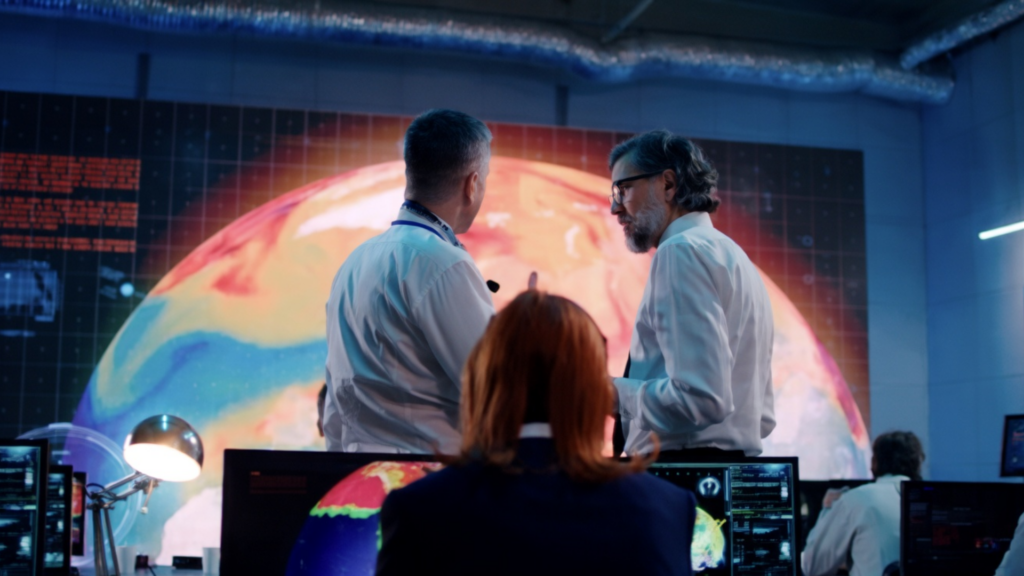
For the first time, researchers at Lancaster University have calculated the staggering scale of this invisible pollution. Their data reveals that between 2000 and 2022, roughly 335,000 tonnes of TFA were deposited onto the Earth’s surface. To visualize that, it is enough chemical mass to fill thousands of heavy shipping containers. This massive accumulation occurred quietly while we were focused on other climate goals. The sheer volume of this persistent substance is now reaching a critical tipping point.
The Problem is Still Growing

If you think the peak of this pollution has passed, the reality is much more sobering. Many of the chemicals that create TFA stay in our atmosphere for decades. This means that even if we stopped using them today, the “chemical rain” would continue for a lifetime. Scientists estimate that annual production of this pollutant could continue to rise until the end of the century. We are locked into a cycle of environmental contamination that we cannot easily stop.
Where Does It Come From
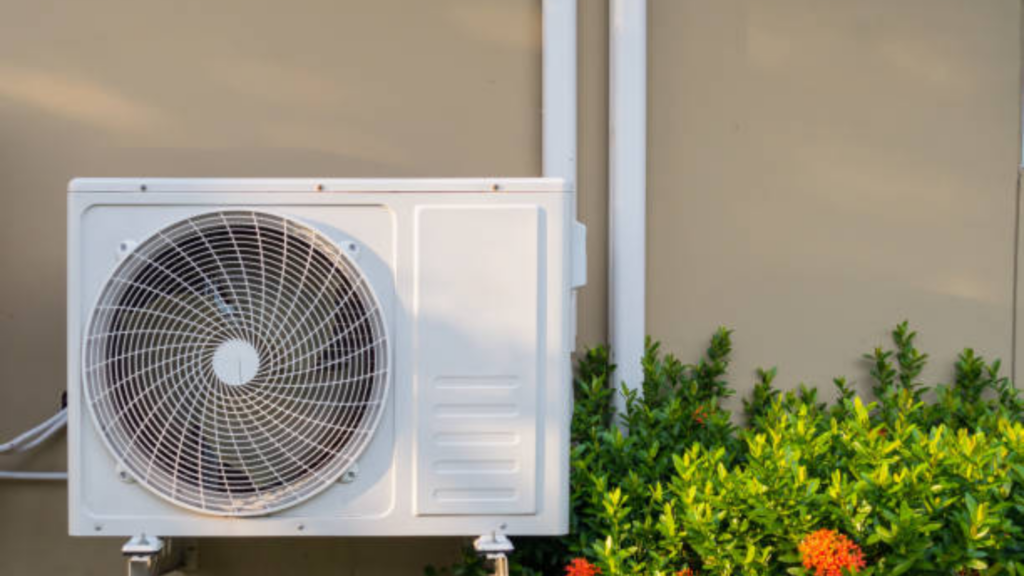
The primary sources of this chemical are surprisingly common in our daily lives. Most of it comes from refrigeration systems and air conditioners that use modern F-gases. Even the anesthetic gases used in hospitals contribute to the global load. As these substances leak or are disposed of, they drift into the high atmosphere. Once there, sunlight and chemistry turn them into a permanent pollutant. These everyday conveniences are fueling a global buildup of “forever chemicals” in our water.
The Forever Chemical Family
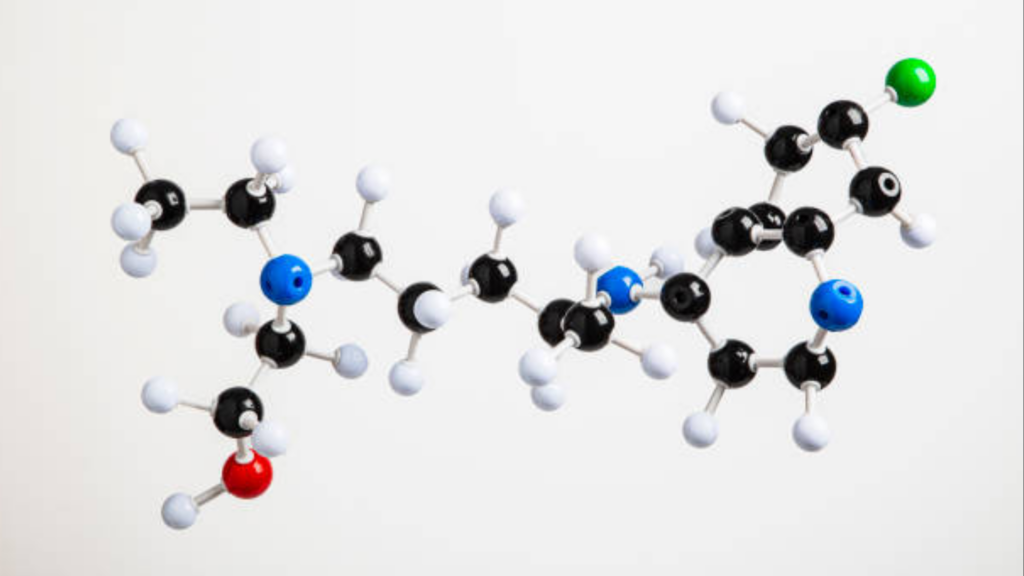
TFA belongs to a group of man-made substances called PFAS, famously known as “forever chemicals.” They earned this nickname because they possess incredibly strong molecular bonds that resist natural breakdown. Unlike organic waste, TFA does not rot or dissolve into harmless components. Once it enters the environment, it stays there indefinitely. This persistence makes it a unique threat, as every new ounce added today will remain in our ecosystem for generations of humans to come.
Risks to Life and Health
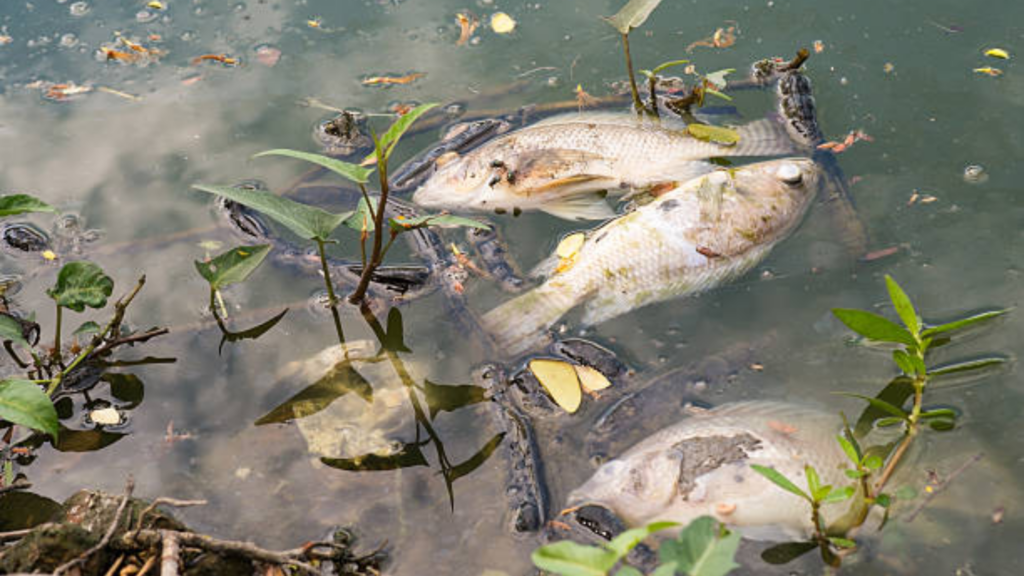
The potential impact of this buildup is a growing concern for global health authorities. The European Chemicals Agency already considers TFA harmful to aquatic life in our streams and oceans. Even more concerning is that the chemical has been detected in human blood and urine samples. Some experts in Germany have even proposed classifying it as toxic to human reproduction. While current levels might seem low, the irreversible nature of the buildup means we are conducting a giant experiment.
Reaching the Remote Arctic

Evidence of this global spread is most clear in the pristine Arctic. Scientists testing deep ice cores found that nearly all the TFA in these remote regions comes from our cooling chemicals. Even though there are no factories or major cities in the high north, the wind carries the precursors there. This proves that no corner of the planet is safe from this invisible rain. The pollution is truly global, linking suburban air conditioners to the melting polar ice.
New Technology New Challenges
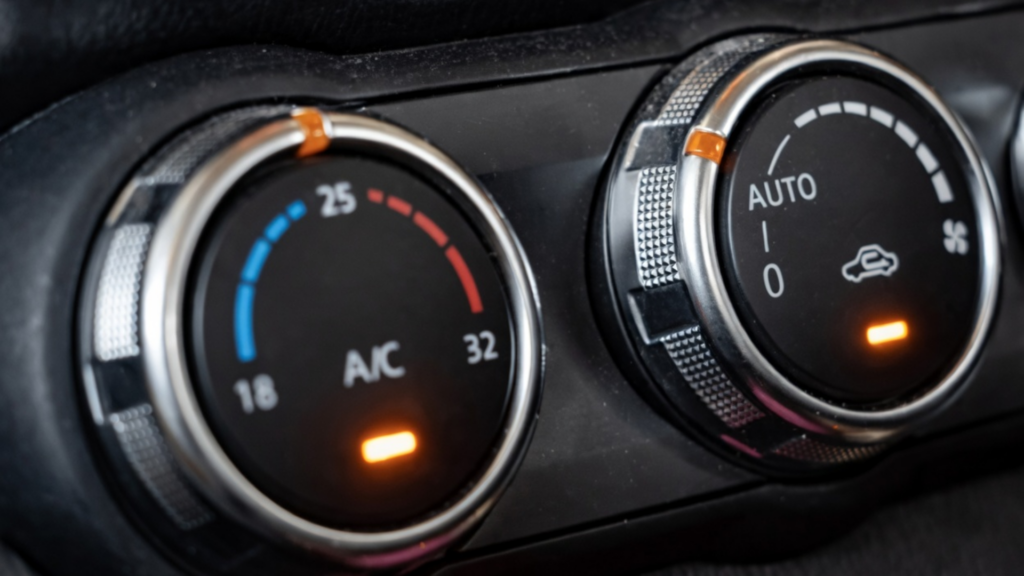
The latest class of refrigerants, marketed as “climate friendly” because they do not warm the planet, may actually be making the TFA problem worse. One specific chemical used in car air conditioning, HFO-1234yf, is a major source of this persistent acid. As more modern cars hit the road, the amount of TFA falling in mid-latitude regions like the United States is expected to climb. We are solving the carbon problem but creating a permanent chemical legacy in the process.
A Call for Global Action
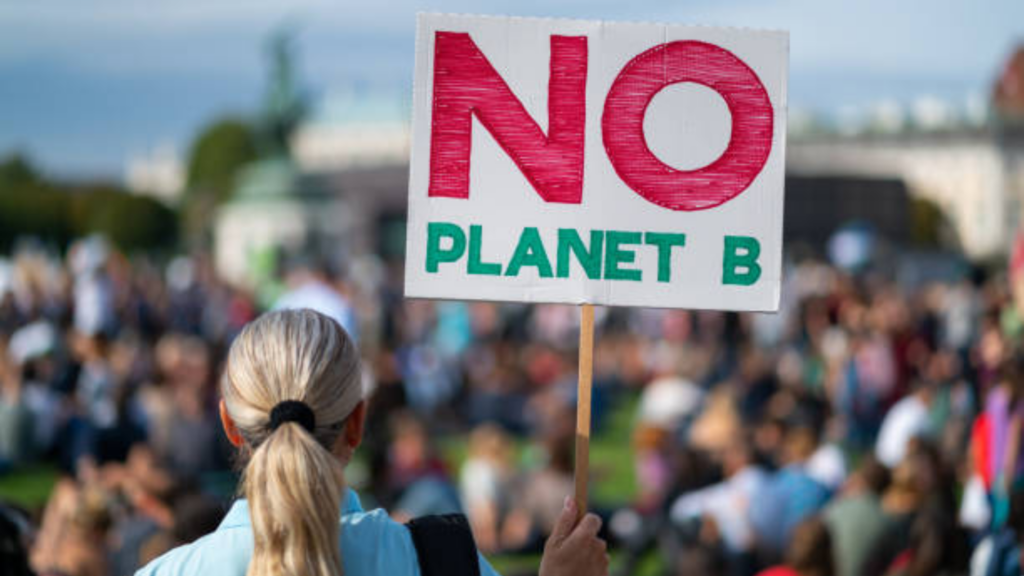
Addressing this invisible rain requires an urgent international effort to monitor and regulate these substances. Scientists are calling for a better understanding of how TFA impacts our health and the environment before it reaches dangerous levels. We must decide if the convenience of our current cooling technology is worth the risk of permanent planetary contamination. The choices we make now will determine what kind of water and soil we leave behind for the next century.
PetsFanatic Team
Pet Care Expert & Content Creator
Passionate about sharing knowledge and tips for better pet care. Writing about everything from pet health to training techniques.