
Pet Habits That Might Be Red Flags

Our pets rely on behavior to tell us how they feel, and sometimes, those small changes we overlook can signal that something deeper is going on. A sudden shift in their habits, whether it’s licking too much, hiding more often, or acting aggressive, can be their way of communicating discomfort, pain, or stress. Learning to recognize these signals helps us respond early, protecting both their health and happiness.
Excessive Licking – A Sign Beyond Cleanliness
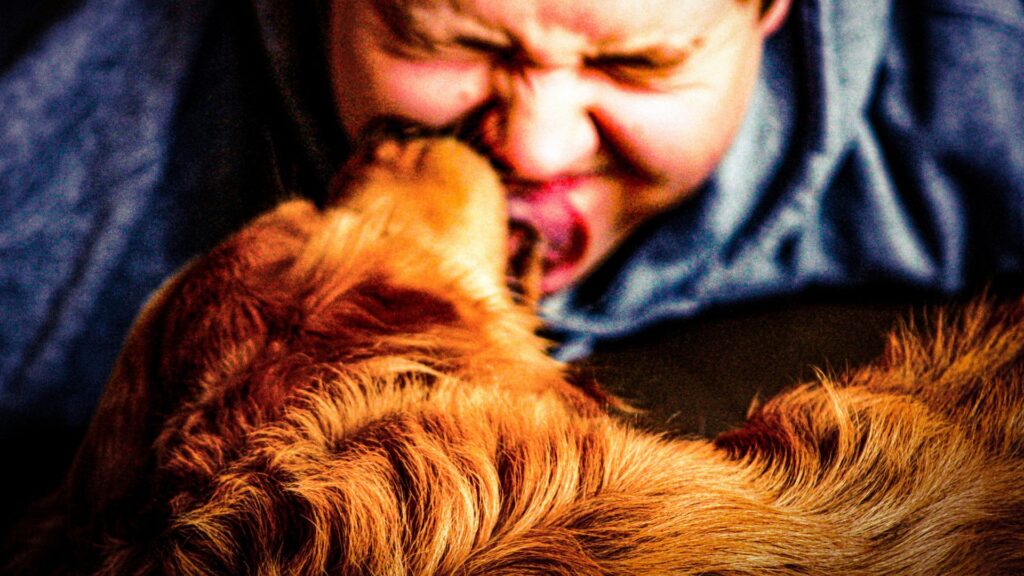
Licking is natural grooming behavior, but when it becomes constant or leads to hair loss and irritated skin, it’s worth taking seriously. Persistent licking might signal allergies, skin infections, or anxiety. According to the ASPCA, behaviors such as chewing or sucking on body parts often stem from underlying medical or emotional issues. Sometimes, it’s simply boredom, pets need mental engagement as much as physical care. Enrichment toys, interactive games, or more playtime can redirect that energy toward healthier habits.
Sudden Aggression – Pain Behind the Behavior

If your normally calm companion starts growling or snapping unexpectedly, it’s often more than just a mood swing. Pain, illness, or decreased mobility can make pets irritable or defensive. Medical conditions like arthritis or infections can cause them to lash out in self-protection. Emotional stress, fear, or environmental changes—such as new people, animals, or routines, can also contribute. Identifying the trigger and consulting a vet or behaviorist ensures safety and comfort for everyone.
Social Withdrawal – When Isolation Signals Trouble

Pets who suddenly avoid interaction or hide for long periods may be struggling with illness or anxiety. A once-playful cat who spends the day under the bed or a dog that refuses walks might be in distress. This withdrawal isn’t just a need for solitude, it’s often their instinctive way of coping with pain or stress. Checking in gently and scheduling a veterinary evaluation can reveal the cause and help restore their confidence.
Obsessive Tail Chasing – Fun Turned Compulsive

A dog spinning in circles might seem amusing, but when tail chasing becomes obsessive, it can indicate deeper problems. Fleas, allergies, or even neurological disorders may trigger this repetitive action. Certain breeds, such as Bull Terriers or German Shepherds, are more prone to compulsive behaviors linked to boredom or insufficient exercise. Consistent physical activity and mental challenges can help, but if the behavior persists, a vet visit is crucial to rule out medical concerns.
Excessive Vocalization – When Talk Becomes a Cry for Help

Every pet has its own communication style, but a sudden surge in barking or meowing can signal distress. Dogs might bark excessively from pain or anxiety, while cats often meow more when feeling unwell or insecure. Listen not only to the volume but also to the context, repeated pacing, whining, or restlessness often accompany their attempt to express discomfort. Understanding their cues and ensuring they feel secure can quiet the noise and strengthen your bond.
Eating Non-Food Objects – The Hidden Danger of Pica

When your pet starts eating socks, rocks, or other inedible items, the issue goes beyond curiosity. This behavior, known as pica, may stem from nutritional deficiencies, anxiety, or digestive problems. Left unchecked, it can cause intestinal blockages or internal damage. Providing proper nutrition, stimulating toys, and close supervision can reduce risks. However, persistent pica requires veterinary attention to uncover the root cause and protect your pet’s health.
Constant Scratching – An Itch That Signals More

Occasional scratching is harmless, but relentless itching can suggest something more serious. Allergies, parasites, or fungal infections often cause irritation and discomfort. If your pet develops sores or patches of missing fur, it’s time for a checkup. Environmental factors like new cleaning products or diet changes might also trigger reactions. Early diagnosis and treatment prevent the problem from escalating and restore your pet’s comfort quickly.
Changes in Appetite – Your Pet’s Silent Message

A sudden refusal to eat or an increased appetite can both indicate health concerns. Dental pain, gastrointestinal issues, or diseases like diabetes can alter how much your pet eats. On the other hand, constant hunger might suggest parasites or hormonal imbalances. Monitoring eating patterns closely and consulting a vet at the first sign of change can catch potential illnesses before they worsen.
Accidents Indoors – Behavioral or Medical Regression

When a potty-trained pet begins having accidents again, frustration is natural, but compassion is vital. Urinary tract infections, gastrointestinal problems, or stress from environmental changes are common culprits. Before assuming it’s misbehavior, rule out physical causes. If health checks out, re-establishing a consistent routine and using positive reinforcement helps them regain confidence and control.
Unusual Drooling – More Than Just a Mess

While some breeds drool naturally, a sudden increase can point to dental disease, nausea, or even something stuck in the mouth. Excessive saliva might also appear when pets are anxious or frightened. If the drooling persists or is paired with other symptoms, like pawing at the mouth or loss of appetite, it’s time for a vet visit. Addressing both emotional and medical triggers helps your pet return to their relaxed, drool-free self.
PetsFanatic Team
Pet Care Expert & Content Creator
Passionate about sharing knowledge and tips for better pet care. Writing about everything from pet health to training techniques.