
Penguins Are Starting Families Sooner in Antarctica, and It’s Not Good News

A new long-term study published in the Journal of Animal Ecology shows that three species of penguins in Antarctica, including Adélie, chinstrap and gentoo penguins, are beginning their breeding season up to two weeks earlier than they did a decade ago, a dramatic shift that scientists say is likely linked to warming temperatures and could spell trouble for the survival of chicks and the broader ecosystem.
Researchers tracked penguin breeding timing from 2012 to 2022 using time-lapse cameras placed at dozens of colonies across the Antarctic Peninsula and nearby islands, finding that gentoo penguins showed the greatest shift, with some colonies nesting up to 24 days earlier than in the past, representing one of the fastest recorded changes in seasonal behaviour among vertebrates.
Scientists say this shift is concerning because penguins have evolved to time breeding so that chicks hatch when food, especially krill and small fish, is most abundant, and if warming conditions push breeding too early, there may not be enough prey for hungry chicks, leading to starvation and population declines that could ripple throughout the Antarctic food web.
How Earlier Breeding Is Linked to Climate Change
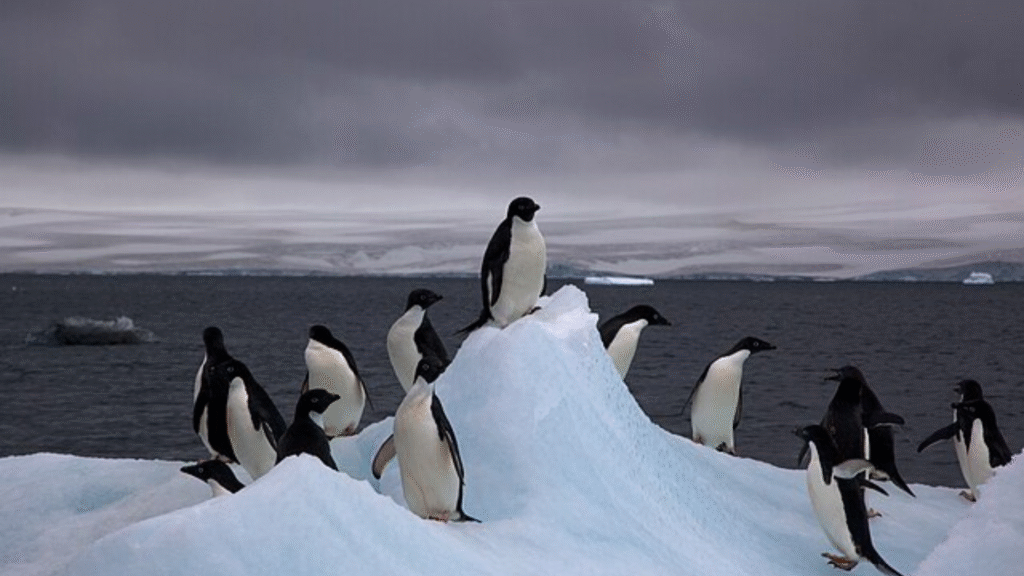
The study found that the local environments where penguins breed are warming much faster than the Antarctic average, roughly four times faster, increasing local temperatures by about 0.3 °C per year at some colony sites, which appears to be a key driver behind the earlier breeding patterns and the unprecedented rate of timing changes.
Warming leads to earlier ice breakup, snowmelt and phytoplankton blooms at the beginning of the Antarctic spring, environmental cues that penguins historically relied on to time breeding, but as these cues occur earlier and more unpredictably with climate shifts, penguins may begin laying eggs before conditions are truly optimal for chick survival.
This earlier breeding can create misalignment between the arrival of chicks and the peak availability of food such as krill, a crucial component of the diet for Adélie and chinstrap penguins, meaning chicks may hatch when enough food is not yet present, reducing survival rates and threatening the long-term viability of entire colonies.
Winners and Losers as Habits Change
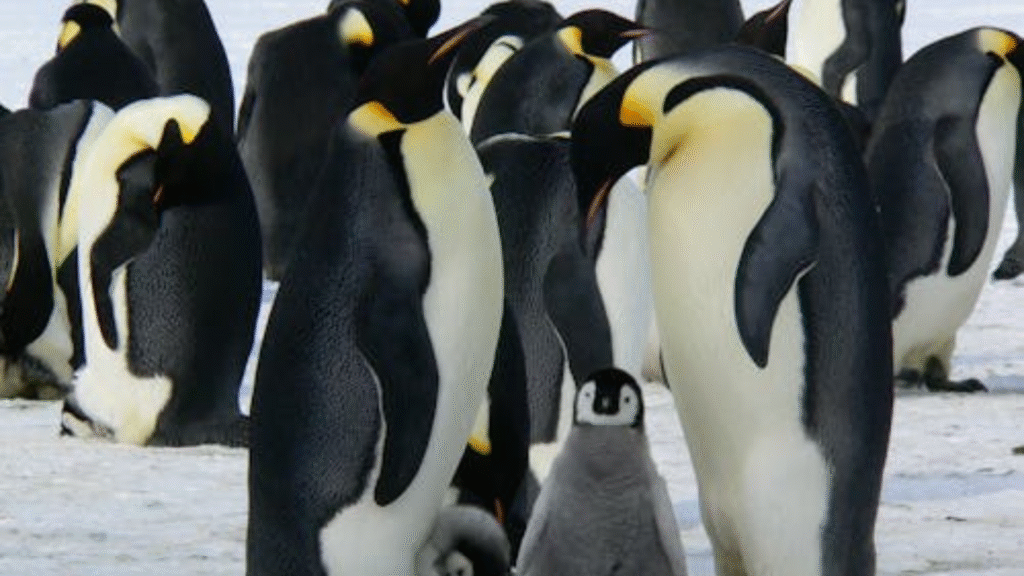
Not all penguins are affected equally by earlier breeding; gentoo penguins, which have a more flexible diet and foraging behaviour, appear better able to cope with changes, potentially giving them a competitive advantage over specialist feeders like Adélie and chinstrap penguins that depend heavily on krill and specific seasonal timing.
Scientists caution that this shift could lead to increased competition for food and nesting space as species overlap their breeding periods, which historically occurred at different times of year, disrupting established ecological balances within Antarctic bird communities.
Research models suggest that if warming trends continue at the current pace, some specialist penguin species could face severe population declines or local extinction by the end of this century, marking a significant change to a region where penguins play a key role in nutrient cycling and ecosystem structure.
What This Means for Antarctica’s Future

The rapid shift in penguin breeding patterns is one of the fastest seasonal changes observed in any bird species and highlights how climate change is disrupting finely tuned natural cycles even in Earth’s most remote and extreme environments, signaling deeper stress on polar ecosystems.
Because penguins rely on precise timing to ensure their chicks hatch when food is most abundant, misalignment caused by warming waters and earlier melts could undermine chick survival rates, reduce reproductive success and ultimately shrink populations, especially for species that lack dietary flexibility.
Scientists say long-term monitoring and continued research are essential to understanding how these changes will play out over decades, and that protecting Antarctic habitats and addressing global warming remain critical to preserving the region’s iconic penguin species and overall biodiversity in a rapidly changing world.
PetsFanatic Team
Pet Care Expert & Content Creator
Passionate about sharing knowledge and tips for better pet care. Writing about everything from pet health to training techniques.