
Outrage Grows as Namibia Pushes Ahead to Auction 170 Wild Elephants
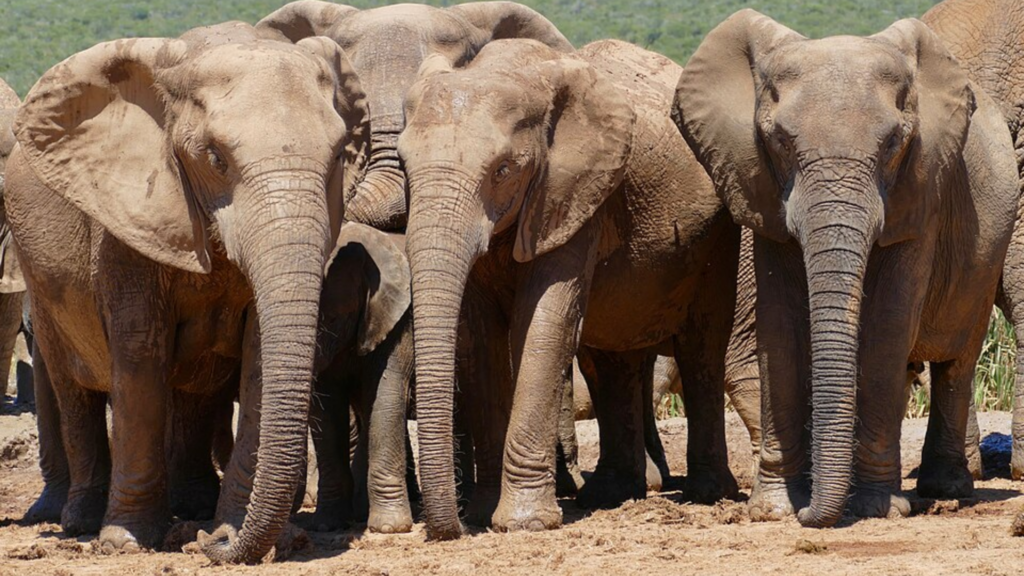
Global outrage erupted after Namibia announced plans to auction 170 wild elephants despite widespread criticism from conservationists, animal welfare groups, and more than 100,000 petitioners who urged the government to stop the sale. The controversial plan, which moved forward in early 2021, immediately sparked fears about the future of one of Africa’s most iconic species and raised difficult questions about conservation, economics, and human-wildlife conflict.
Namibia’s Ministry of Environment, Forestry and Tourism defended the decision by claiming the country’s elephant population had grown significantly over the past few decades and that increasing interactions between elephants and rural communities had created serious problems, including crop destruction, water shortages, and damage to infrastructure. Officials argued that removing elephants from conflict areas was necessary to protect farmers and reduce tensions.
Critics, however, strongly disputed both the population figures and the justification for the auction, arguing that many of the elephants counted by the government were migratory herds that move across borders between Namibia, Botswana, Angola, and Zambia, meaning Namibia’s true resident elephant population may be far smaller than officially claimed.
Why Conservationists Oppose The Elephant Auction

Conservationists warned that the auction could have devastating effects on elephant populations and social structures because the animals targeted for removal included entire family groups made up of mothers, calves, and bulls. Elephants are highly intelligent and deeply social animals that depend on strong family bonds, and separating or relocating groups can cause long-term stress and behavioral disruption.
Animal welfare groups also expressed concern over what would ultimately happen to the elephants after the auction, since officials did not initially provide detailed public information about the buyers or the animals’ final destinations. This lack of transparency fueled fears that some elephants could end up in trophy hunting operations, private game reserves, or captivity outside Namibia.
Many opponents argued that alternative solutions already exist to reduce human-elephant conflict without removing large numbers of elephants from the wild, including electric fencing, relocating water sources away from villages, and expanding community-based conservation programs that help local residents coexist with wildlife more safely.
Namibia Says Human-Elephant Conflict Forced Action

Namibian officials insisted that the auction was driven by practical realities on the ground, especially in drought-stricken regions where elephants had increasingly moved into farming areas searching for water and food. Farmers in affected regions reported severe damage to crops, water systems, fences, and livestock infrastructure, creating growing frustration among communities already struggling with economic hardship.
Government-backed conservation experts argued that the targeted elephant populations were located in specific conflict hotspots and that relocating some animals could ease tensions while generating funds for conservation and rural development projects through Namibia’s Game Product Trust Fund. Officials described the “offtake” as conservative and legally regulated under national and international wildlife laws.
Supporters of the move also pointed out that Namibia has been praised internationally for some of its community-based conservation programs and elephant recovery efforts over past decades, arguing that managing wildlife populations sometimes requires difficult and unpopular decisions when human safety and livelihoods are involved.
A Bitter Global Debate Over Conservation And Ethics

The Namibia elephant auction quickly became a symbol of a larger global debate over how wildlife should be protected in regions where conservation, tourism, economics, and human survival often collide. While some viewed the move as necessary wildlife management, others saw it as a dangerous step that placed financial interests ahead of animal welfare and long-term conservation.
The controversy also highlighted growing international concern about how governments use wildlife population data to justify controversial actions, especially when independent conservation groups dispute official numbers and warn that removals could harm already vulnerable ecosystems.
Ultimately, the outrage surrounding Namibia’s elephant auction underscored how emotionally and politically charged elephant conservation has become, with the fate of 170 elephants turning into a worldwide discussion about ethics, coexistence, and the future of Africa’s remaining wild elephant populations.
PetsFanatic Team
Pet Care Expert & Content Creator
Passionate about sharing knowledge and tips for better pet care. Writing about everything from pet health to training techniques.