
Oregon Wildfires Tear Through Thousands of Acres of Critical Wildlife Habitat

Multiple wildfires have scorched vast stretches of the Malheur National Wildlife Refuge in southeastern Oregon, damaging one of the Pacific Flyway’s most important habitats for birds and other wildlife. Officials say the fires have burned more than 40,000 acres of grasslands, mature sagebrush, riparian habitat, and dry meadows both inside and around the refuge. The destruction comes during an already severe wildfire season that has stretched firefighting resources across Oregon.
Why the Malheur National Wildlife Refuge Matters

The Malheur National Wildlife Refuge covers approximately 187,000 acres and serves as a critical stopover for millions of migratory birds traveling along the Pacific Flyway each year. Its wetlands, marshes, sagebrush, and meadows provide habitat for hundreds of bird species, as well as mammals, reptiles, amphibians, and native fish. The refuge is widely regarded as one of North America’s premier birdwatching destinations because of its extraordinary biodiversity.
More Than 40,000 Acres Have Burned

According to refuge officials, the fires have already burned more than 40,000 acres in and around the protected area. The damage includes mature sagebrush ecosystems, dry meadows, grasslands, and riparian corridors that support nesting birds and numerous wildlife species. While wildfires are a natural part of many western ecosystems, the scale and intensity of these fires raise concerns about how quickly sensitive habitats will recover.
Wildlife Faces Immediate Challenges

The fires have disrupted habitat used by waterfowl, shorebirds, songbirds, raptors, mule deer, pronghorn, and countless smaller animals. Many species depend on dense vegetation for nesting, shelter, and food during the summer months. Wildlife managers are concerned that burned nesting areas and reduced food sources could affect breeding success and survival for some populations.
Wetlands and Sagebrush Are Especially Vulnerable

The refuge contains a rare combination of wetlands and extensive sagebrush habitat, both of which play vital ecological roles. Sagebrush ecosystems take many years, and sometimes decades, to fully recover after intense fires, while damaged wetlands may require careful management to restore native vegetation. Invasive plant species can also spread more easily after large fires, creating additional challenges for land managers.
Oregon’s Severe Fire Season Is Making Matters Worse

The fires at Malheur are unfolding during one of Oregon’s most destructive wildfire seasons on record. Statewide, more than two million acres have burned, surpassing previous annual records even though fire season has not yet ended. Fire officials continue to warn that hot, dry weather and strong winds could allow additional large fires to develop across the state.
Smoke Is Affecting Communities Beyond the Fire Zone
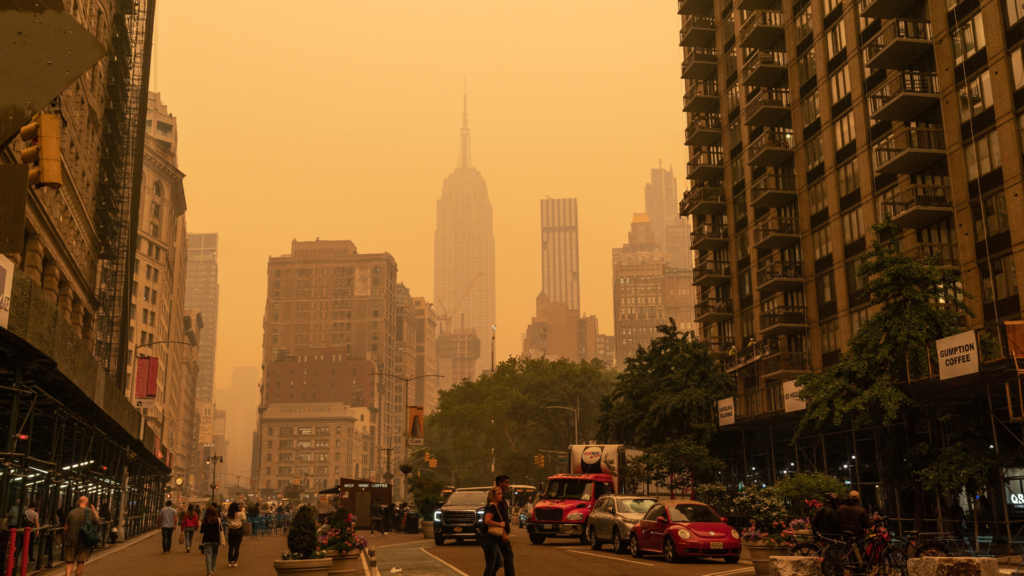
The impacts extend well beyond the refuge itself. Smoke from wildfires has prompted widespread air quality advisories across much of Oregon and the Pacific Northwest, with some areas experiencing unhealthy or even hazardous air conditions. Health officials have urged residents, especially children, older adults, and people with respiratory conditions, to limit prolonged outdoor activity while smoke persists.
Recovery Will Take Years

Even after the flames are extinguished, restoration efforts are expected to continue for years. Land managers will monitor vegetation recovery, protect sensitive habitats from invasive species, and evaluate how wildlife populations respond to the burned landscape. Some grasslands may recover relatively quickly, but mature sagebrush communities often require much longer to return to their previous condition.
What Happens Next

Firefighters continue working to contain active fires while refuge staff assess the extent of habitat damage. Officials will use aerial surveys, field inspections, and ecological monitoring to determine which areas require restoration or additional protection. As Oregon’s wildfire season continues, the refuge remains vulnerable to changing weather conditions and additional fire activity.
A Critical Wildlife Landscape Faces a Long Recovery

The wildfires at the Malheur National Wildlife Refuge represent far more than the loss of vegetation. They have damaged one of the nation’s most important habitats for migratory birds and other wildlife while highlighting the growing challenges posed by increasingly severe wildfire seasons. As firefighters continue protecting the refuge, biologists and conservationists will be focused on helping this remarkable ecosystem recover in the months and years ahead.
PetsFanatic Team
Pet Care Expert & Content Creator
Passionate about sharing knowledge and tips for better pet care. Writing about everything from pet health to training techniques.