
Orca Pod Targets Young Great Whites With Gruesome Hunting Strategy
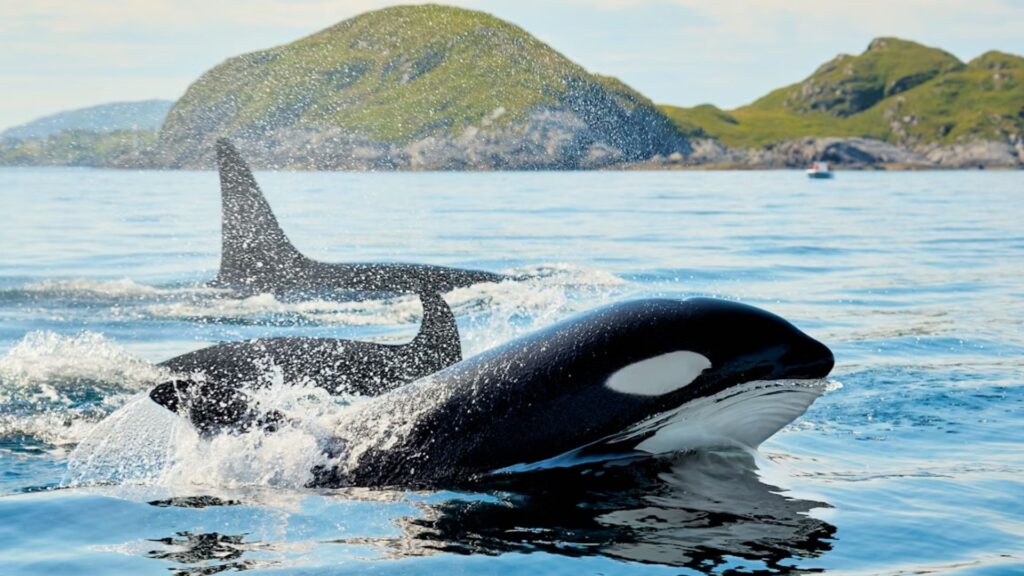
A pod of orca whales in the Gulf of California has been documented using a deliberate and violent hunting technique to kill juvenile great white sharks, according to a study published in Frontiers in Marine Science. Known as Moctezuma’s pod, the group employs a precise method that immobilizes young sharks during the attack. Researchers observed two separate hunts in 2020 and 2022 that resulted in the deaths of three juvenile white sharks, suggesting these encounters may occur more frequently than previously understood.
The Technique Renders Sharks Completely Helpless

The key to the orcas’ success lies in their ability to induce a state of complete paralysis in their prey. The killer whales have been documented repeatedly flipping the young sharks upside down, triggering a temporary condition that allows the attack to proceed. “This temporary state renders the shark defenseless, allowing the orcas to extract its nutrient-rich liver and likely consume other organs as well, before abandoning the rest of the carcass,” explained paper author and marine biologist Erick Higuera Rivas.
The Paralysis State Is Called Tonic Immobility

When the sharks are turned onto their backs, they enter a temporary state known as tonic immobility, a condition that leaves them unable to move. Multiple orcas work together in a coordinated effort to push the young white shark to the surface, where the prey is then flipped over. The whales would later reappear with only the shark’s liver in their mouths. The scientists hypothesize that this tactic minimizes the chances of the orcas being bitten during the attack.
Orcas Are the Only Known Great White Predators

Orcas are the only known predators of the great white shark, though earlier observations of this behavior were limited to hunts involving larger sharks off the coast of South Africa. The observations in the Gulf of California represent the first time researchers have documented orcas repeatedly targeting juvenile white sharks. The discovery expands scientific understanding of how frequently and where these predatory interactions occur between the two apex species.
The Pod May Be Exploiting a Shark Nursery

Researchers believe Moctezuma’s pod may be taking advantage of a nearby shark nursery, giving them regular access to smaller, inexperienced white sharks. “This is the first time we are seeing orcas repeatedly target juvenile white sharks,” said paper author and marine ecologist Salvador Jorgensen of California State University. Young sharks in nursery areas may not yet recognize orcas as threats or know how to escape, making them particularly vulnerable to these coordinated attacks by experienced hunters.
Juvenile Sharks May Lack Anti-Predator Instincts
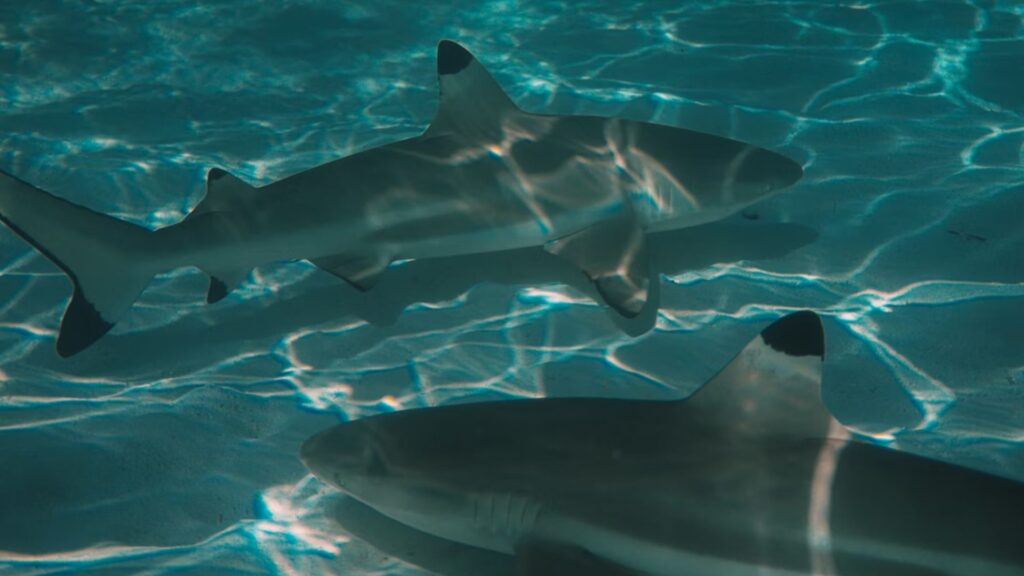
Jorgensen explains a critical difference between adult and juvenile shark behavior during orca encounters. “Adult white sharks react quickly to hunting orcas, completely evacuating their seasonal gathering areas and not returning for months. But these juvenile white sharks may be naive to orcas,” he said. Researchers don’t yet know whether white shark anti-predator flight responses are instinctual or need to be learned through experience, leaving young sharks potentially vulnerable during their first encounters with killer whales.
The Pod Has Hunted Other Shark Species

Moctezuma’s pod has previously been observed hunting rays, bull sharks, and whale sharks, suggesting the group has developed their hunting technique through learned experience. “I believe that orcas that eat elasmobranchs—sharks and rays—could eat a great white shark, if they wanted to, anywhere they went looking for one,” said Higuera Rivas. The pod’s diverse hunting history demonstrates its adaptability in targeting different elasmobranch species across various marine environments.
The Strategy Reflects Advanced Intelligence

Rivas views the complex technique as evidence of the orcas’ remarkable intelligence, strategic thinking, and ability to transmit knowledge across generations within their pods. The coordinated nature of the attacks, the specific targeting of vulnerable prey, and the precise execution of the paralysis technique all point to learned behaviors refined over time. The ability to develop and pass down such specialized hunting knowledge demonstrates the cognitive sophistication of these marine mammals and their capacity for cultural learning.
The Discovery Expands Understanding of Predator Interactions

The Gulf of California observations mark a significant expansion beyond the previously documented South African hunts. By targeting juvenile sharks rather than adults, Moctezuma’s pod has revealed a hunting approach that differs from other known cases. The repeated sightings during routine monitoring in 2020 and 2022 suggest this behavior may be more common than scientists previously recognized, raising questions about whether similar undocumented interactions are occurring in other marine regions where both species coexist.
The Technique Could Be Used Anywhere Great Whites Exist

Higuera Rivas believes that orcas with experience hunting sharks and rays could target great white sharks in any location if they chose to do so. The discovery raises questions about how widespread this hunting behavior might be and whether other orca populations employ similar techniques. As researchers continue monitoring marine predator interactions, the Gulf of California observations provide crucial insight into the complex dynamics between two of the ocean’s most formidable apex predators and the strategies that give orcas the upper hand.
PetsFanatic Team
Pet Care Expert & Content Creator
Passionate about sharing knowledge and tips for better pet care. Writing about everything from pet health to training techniques.